

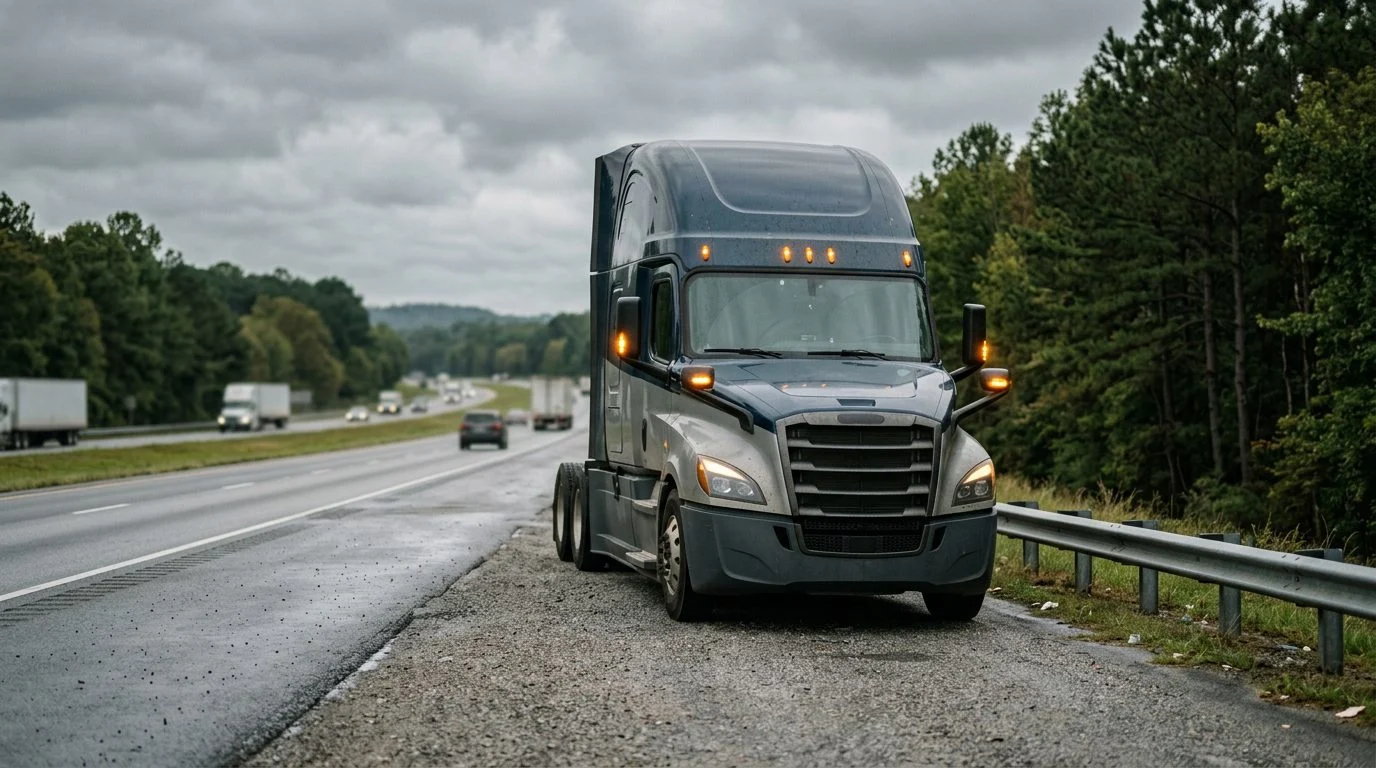
Truck Accidents · Atlanta, Georgia
Yes, You Can Sue a Truck Driver in Georgia
Learn how these claims work, who may be named, and how Ugwonali Law Group helps injured people and families take the first step.
Getting started with our firm
Free
First consultation, confidential and without obligation
EN / ES
Intake in English or Spanish
Atlanta
Office at 3400 Peachtree Road NE
By Adanna Ugwonali · Published November 9, 2026
Can you sue a truck driver? Yes. In Georgia, a truck driver whose negligence caused a crash can be sued personally. Negligence means a driver failed to use reasonable care. This page explains who can be named, the rules that shape a claim, and what usually happens next.
Yes, You Can Sue a Truck Driver in Georgia
Yes. A truck driver whose negligence caused a crash can be sued directly for injuries and losses.
Negligence is a failure to use reasonable care. In a truck case, the key questions are whether the driver acted carelessly and whether that carelessness caused the harm. Georgia defines ordinary negligence as the absence of the care that ordinarily prudent people use under similar circumstances (O.C.G.A. § 51-1-2).
Common examples include speeding, distracted driving, impaired driving, and driving while too tired. Truck crash claims may involve more than one party, such as the driver and the trucking company, and an attorney can explain which parties may be involved in a particular case.
Not sure what your next step is?
Talk it through with our team — the first consultation is free, confidential, and carries no obligation.

Who Else Can Be Named in a Truck Accident Lawsuit
Often the trucking company is also responsible when its driver was working for it. Georgia law makes a business liable for wrongs its worker commits within the scope of that business, whether by negligence or on purpose (O.C.G.A. § 51-2-2).
After an investigation, other parties may come into view. These can include the truck’s owner or lessor, companies that maintained or repaired the truck, and cargo loaders whose work shifted freight. Whether any of them contributed turns on what the records show.
Who is named matters for who pays. Under Georgia’s vicarious liability rule, every person shall be liable for torts committed by his wife, his child, or his servant by his command or in the prosecution and within the scope of his business (O.C.G.A. § 51-2-2).
Major Trucking Violations That Often Matter in a Claim
Federal rules set minimum public liability insurance amounts for certain motor carriers, such as for-hire carriers in interstate or foreign commerce using vehicles with a gross vehicle weight rating of 10,001 or more pounds, with higher minimums for some hazardous cargo.
- Hours of service. Federal rules limit how long a commercial driver may drive and when rest is required. A driver who exceeds those limits may have violated federal rules.
- Fatigue and illness. Driving while fatigued or ill can be a serious violation of trucking safety rules.
- Alcohol. Georgia makes it illegal to drive a commercial motor vehicle with 0.04 percent or more by weight of alcohol in the blood, breath, or urine (O.C.G.A. § 40-6-391).
- Maintenance. Problems with the suspension, axles, wheels, or steering can point to poor maintenance.
Maintenance and inspection records can be important evidence, so early requests for them matter.
Georgia Filing Deadlines and Fault Rules
Georgia generally gives two years to file an injury lawsuit. Under O.C.G.A. § 9-3-33, actions for injuries to the person must be brought within two years after the right of action accrues, except for actions for injuries to the person involving loss of consortium, which must be brought within four years after the right of action accrues, and injuries to reputation, which must be brought within one year. The statute has exceptions, so the date that applies depends on the facts. Waiting too long puts a claim at risk.
Families of someone killed in a truck crash may have a wrongful death claim. Our team can explain which family members may bring one.
Georgia also uses modified comparative fault. Under O.C.G.A. § 51-12-33, damages are reduced by the injured person’s share of fault. A person who is 50 percent or more responsible recovers no damages. Under O.C.G.A. § 51-12-33(a), if the plaintiff is to some degree responsible for the injury or damages claimed, the judge reduces the damages otherwise awarded in proportion to the plaintiff’s percentage of fault. Under subsection (g), the plaintiff may not receive any damages if the plaintiff is 50 percent or more responsible for the injury or damages claimed.
Hit-and-Run and Unknown Drivers
A hit-and-run driver can still be the source of a claim, but finding that driver is harder.
Georgia law requires auto liability policies to include uninsured motorist coverage, although an insured may reject that coverage in writing (O.C.G.A. § 33-7-11). Coverage terms vary by policy.
Evidence often decides these cases. Useful items include the police report, witness names, nearby camera footage, and damage patterns on the vehicles. Report the crash promptly and keep medical records consistent with what happened.
How a Georgia Truck Injury Claim Typically Moves Forward
A typical claim moves from a free consultation to evidence gathering, medical care, settlement talks, and, if needed, a lawsuit filed before the deadline.
- Consultation. You describe the crash, your injuries, and your treatment.
- Preservation requests. Letters ask the carrier to keep logs, maintenance records, and dashcam data.
- Investigation. Police reports, medical records, and reconstruction work are gathered where needed.
- Treatment and records. You follow your doctor’s plan, and visits and therapy are documented over time.
- Demand and negotiation. A settlement demand goes to the insurers, who respond.
- Lawsuit, if needed. If a fair resolution is not reached, suit is filed before the deadline.
Timing varies from case to case.
Not sure what your next step is?
Talk it through with our team — the first consultation is free, confidential, and carries no obligation.
Why Injured Georgians Work With Ugwonali Law Group
Ugwonali Law Group is a personal injury firm in Atlanta, led by attorney Adanna Ugwonali, who is the responsible lawyer for this page. Our team includes lawyers and support staff who handle truck and car crashes, premises injuries, slip and falls, brain and spinal injuries, and wrongful death.
The office is at 3400 Peachtree Road NE, Atlanta. The firm represents clients in metro Atlanta, including Fulton, Clayton, Cobb, and Rockdale counties, and across Georgia.
Intake is available in English or Spanish. We explain medical and legal steps in plain language, so you know what to expect at each stage.
Common Questions About Suing After a Truck Crash
Here are direct answers to questions people often ask after a truck crash.
Can you sue a truck driver personally?
Yes. A driver whose negligence caused the crash can be sued directly.
How do you file a lawsuit against a trucking company?
A lawsuit starts with a complaint filed in court. The company is then formally served and responds in court.
How much can you sue for?
The value depends on your injuries, treatment, lost income, and the coverage that applies. Nobody can promise a specific amount.
What is a major violation in trucking?
Investigators in truck crashes sometimes look at factors such as driver fatigue, impairment, and vehicle maintenance problems, including issues with suspension, axles, wheels, or steering.
Is a hit-and-run hard to prove?
It can be harder, because the driver may be unknown. Quick evidence, such as a police report and witness names, helps.
What does the free consultation include?
You get a free first consultation that is confidential and comes without obligation to continue. We review the crash facts, your injuries, and your options.
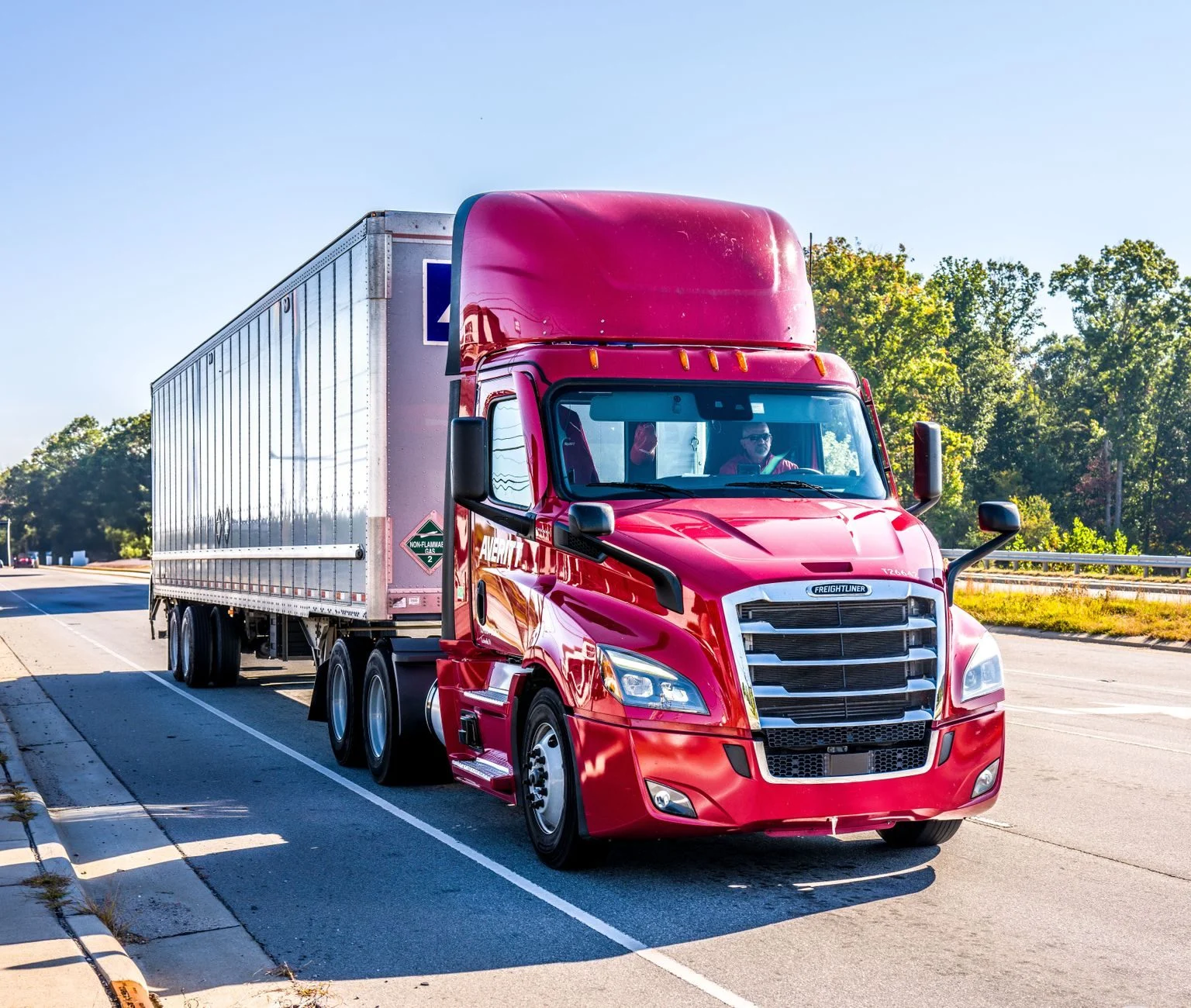
Talk With Our Team About Your Truck Crash Today
If a truck crash left you hospitalized or a family member gone, the clock on a claim may already be running. Our team can review who may be responsible at a free, confidential consultation. Start by contacting us at attorneyadanna.com/contact.
Who may be named in a truck crash claim
The truck driver
A driver whose negligence caused a crash can be sued directly, whether the driver was on the job or otherwise operating the truck.
Maintenance or repair providers
Problems with brakes, tires, or other equipment can involve the companies that inspected or repaired the truck.
Cargo loaders and others
Improperly loaded or secured cargo can contribute to a crash, so the parties involved may vary from case to case.
How our intake team can help
Speak with intake on the first call
Our intake staff will listen to what happened and explain the next steps in plain language.
English or Spanish
We communicate with clients and their families in English or Spanish.
Free case review
We review the details of your crash, your medical care, and any available records at no cost to you.
Focus on your recovery
We aim to keep you informed about the legal and medical process so you can concentrate on getting better.
Before you speak with an insurer
A trucking company's insurance representative may contact you soon after a crash. Consider speaking with a lawyer before giving a recorded statement or signing any release.