

Premises Liability | Atlanta, Georgia
When an Unsafe Property Leaves You Seriously Hurt
Plain-language guidance from Ugwonali Law Group on how premises liability injury claims work in Atlanta and across Georgia, and how to take the next step with a free case review.
Working With Our Firm
Free
Case reviews and first consultation
EN / ES
Intake in English or Spanish
Atlanta
Office at 3400 Peachtree Road NE
By Adanna Ugwonali · Published October 26, 2026
Premises liability Atlanta claims turn on one question under Georgia law: did the property owner use ordinary care to keep the property safe? This guide explains how that works after a serious fall, what evidence matters, and which deadlines apply. Ugwonali Law Group represents people hurt on property in metro Atlanta and across Georgia.
What Premises Liability Means for Visitors to Atlanta Properties
Premises liability is the responsibility a property owner or occupier can have for injuries caused by its failure to exercise ordinary care in keeping the premises and approaches safe, where the owner or occupier, by express or implied invitation, induces or leads others to come upon the premises for any lawful purpose. Stores, apartment complexes, parking decks, and office buildings are common examples.
Georgia law says an owner or occupier who invites or leads people onto its land for a lawful purpose is liable for injuries caused by a failure to use ordinary care. O.C.G.A. § 51-3-1 applies that rule to the premises and its approaches.
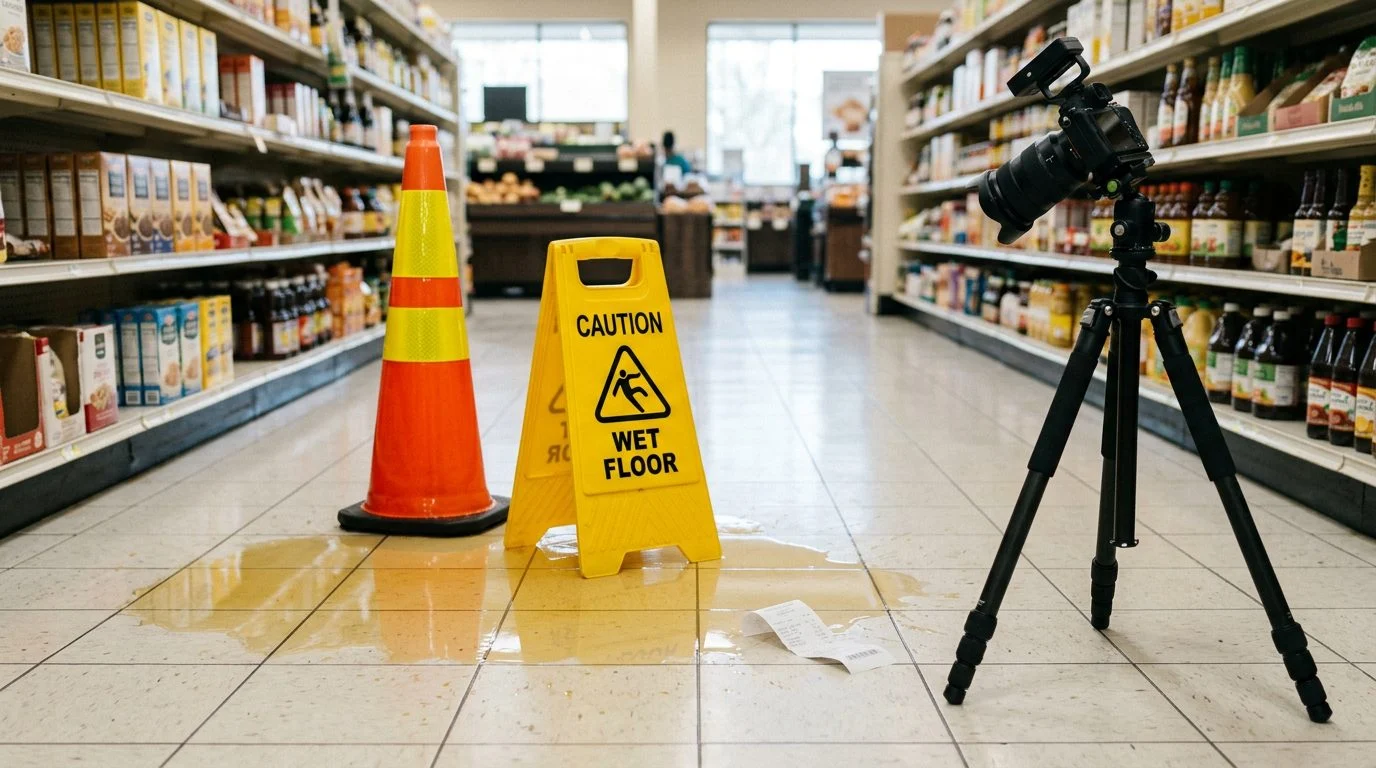
A single fall can cause serious harm. A wet floor in a store, a broken stair in an apartment building, or an icy walkway outside an office can lead to a fracture, a head injury, or spinal damage.
Georgia sorts visitors into groups: invitees, licensees, and trespassers. Customers and business visitors are usually invitees, and the ordinary-care duty above is the core rule for that group.
If a fall on someone else's property left you with a fracture, a head injury, or a family loss, request a free case evaluation and our team will review it with you. Talk it through with our team — the first consultation is free, confidential, and carries no obligation.
Common Premises Liability Injuries and Hazards in Atlanta
Most premises injuries start with a slip, a trip, or a fall on an unsafe surface. OSHA’s walking-working surfaces guidance covers federal standards for slip, trip, and fall hazards on floors, stairs, and other walking areas.
Common hazards in Atlanta stores, apartments, and offices include:
- Wet or unmarked floors
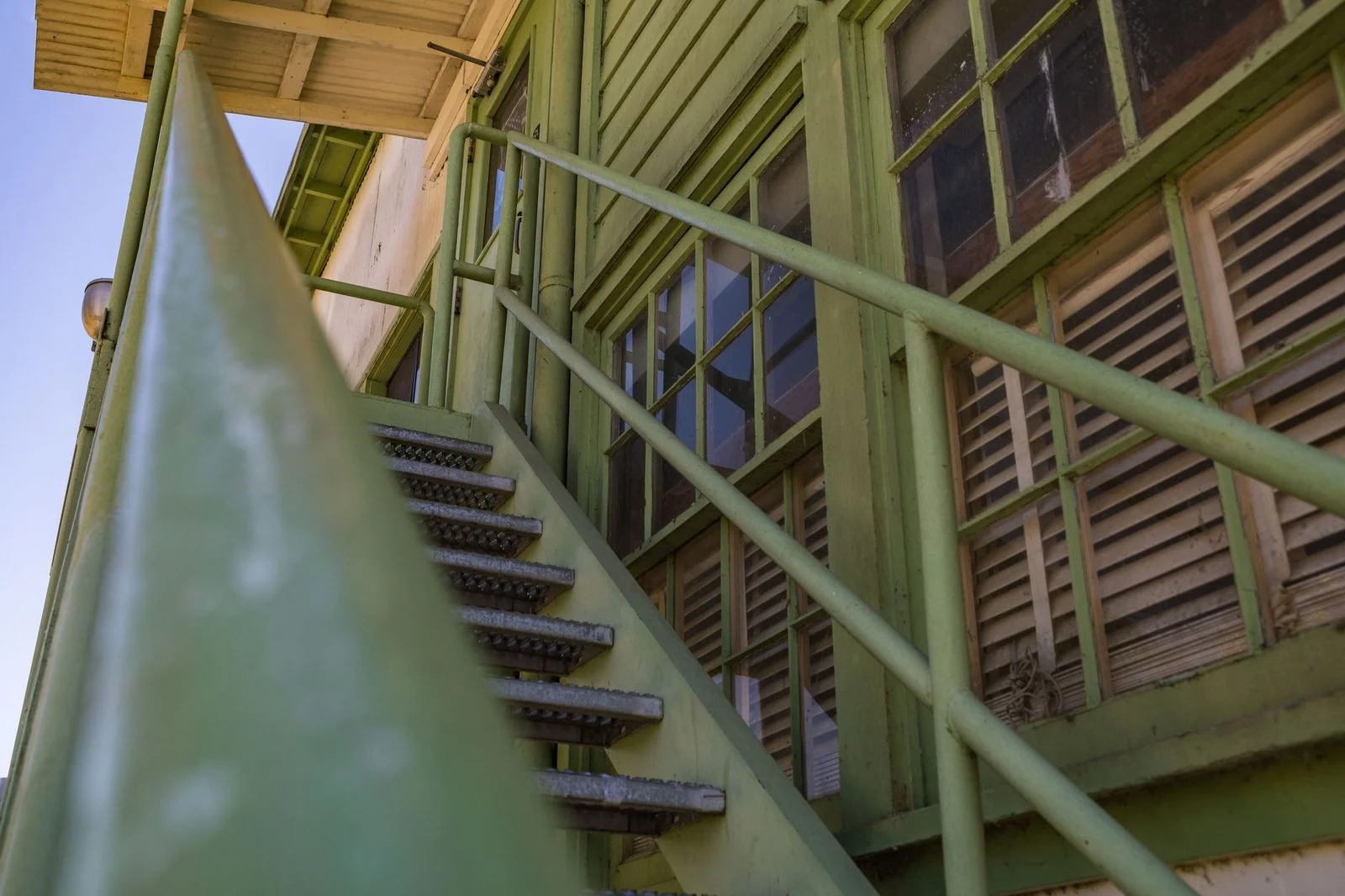
- Broken or uneven stairs and loose handrails
- Poor lighting in hallways and parking decks
- Cracked sidewalks and damaged parking lots
- Items falling from shelves
Falls can cause wrist, hip, and ankle fractures. They can also cause concussions, traumatic brain injuries, spinal injuries, and soft tissue damage. Some symptoms take time to appear, so a medical checkup after a fall matters.
Prompt care helps your health, and it also creates a medical record. Emergency care, imaging, and follow-up visits show how the injury happened and what treatment it needed. Georgia limits medical expense damages to the reasonable value of medically necessary care, so keep every bill and discharge paper. O.C.G.A. § 51-12-1.1
Georgia Premises Liability Law and the Duty Owed to Visitors
Georgia requires owners and occupiers to use ordinary care to keep premises and approaches safe for invitees. The owner is not an insurer of every visitor’s safety.
In plain words, premises liability Atlanta cases often turn on what the owner knew. Key questions include how the hazard got there, how long it was there, and what the owner did about it.
Location and control matter too. A spill in a main store aisle can raise different questions than a hazard in a shared hallway used by several businesses. How these rules apply depends on the facts of each incident.
How Premises Liability Claims Are Proven in Georgia
The owner owed a duty, the owner failed to use ordinary care, that failure caused the fall, and the injured person suffered real damages. Each part needs evidence.
Evidence that often matters includes:
- Photos of the hazard and the area around it
- Incident reports filed with the property
- Surveillance video
- Names and statements from witnesses
- Inspection, cleaning, and maintenance logs
- Medical records and bills
Early steps help. Video and records can be lost, overwritten, or changed when a property is cleaned or repaired. Photos taken soon after a fall show conditions as they were.
Write down what happened while it is fresh. Note your injuries, each treatment visit, and any missed work. Memory fades, and small details like lighting or a wet patch can get lost over time.
Deadlines, Shared Fault, and What a Claim May Cover
Georgia generally gives two years to file a lawsuit for injuries to the person. O.C.G.A. § 9-3-33 Loss of consortium claims have four years. Wrongful death claims also have time limits, so families should learn their deadline early.
Georgia also uses a shared fault rule. The judge reduces damages by the injured person’s share of fault. A person who is 50 percent or more responsible for the injury cannot recover damages. Each liable person pays only its own share, not a joint share. O.C.G.A. § 51-12-33
Damages come in two basic types. General damages, such as pain and suffering, do not need proof of an exact amount. Special damages, such as medical bills and lost pay, must be proved. O.C.G.A. § 51-12-2 distinguishes general damages, which the law presumes to flow from a tortious act and which may be recovered without proof of any amount, from special damages, which actually flow from a tortious act and must be proved in order to be recovered.
When a fatal fall happens, Georgia lets the personal representative seek funeral, medical, and other necessary expenses. This applies when death results from criminal or other negligence. O.C.G.A. § 51-4-5
Talking Through Your Premises Injury With Our Atlanta Team
Ugwonali Law Group handles premises liability, slip and fall, trip and fall, and unsafe-property cases. We serve people in Fulton, Clayton, Cobb, and Rockdale Counties and across Georgia.
Our office is at 3400 Peachtree Road NE, Atlanta, Georgia. Attorney Adanna Ugwonali is the responsible attorney for this page. Our intake staff takes calls in English or Spanish.
Our first consultation is free, confidential, and without obligation.
Quick answers
What is premises liability in Atlanta?
It means a property owner may be responsible when a failure to use ordinary care leads to someone’s injury.
How long do I have to file?
Georgia generally allows two years to file a lawsuit for personal injuries (O.C.G.A. § 9-3-33; Kenneth B. Cameron v. Jmp Pizza, Inc (2026)).
Can I recover if I was partly at fault?
Georgia reduces damages by your share of fault, and you recover nothing if your share is 50 percent or more (O.C.G.A. § 51-12-33; Quynn v. Hulsey (2020)).
Can a family pursue a claim after a fatal fall?
A personal representative can seek funeral and medical expenses tied to a death caused by negligence.
If a fall on someone else’s property left you with a fracture, a head injury, or a family loss, request a free case evaluation and our team will review it with you.
Ugwonali Law Group, 3400 Peachtree Road NE, Atlanta, Georgia. Responsible attorney: Adanna Ugwonali. This page is general information about Georgia law, not legal advice for your situation.
What to Expect When You Contact Us
A Real Conversation
Our intake team listens to what happened, where it happened, and how you have been treated since the injury.
Organizing Your Records
We help you gather medical records, bills, photographs, and incident reports so the facts are clear from the start.
Clear Explanations
Our attorneys explain the legal and medical steps in plain language, so you can make informed decisions at each stage.
Respect for Your Recovery
We keep your health at the center of the conversation and make it easy to ask questions in English or Spanish.
Protect Your Evidence Early
If you can do so safely, photograph the hazard, the surface or area involved, and your injuries. Write down the date, time, and names of any witnesses, and keep every medical record and bill. Avoid giving recorded statements to a property owner or insurance company before speaking with a lawyer.
Situations We Commonly Review
Slip and Fall
Injuries from wet, icy, or unmarked floors in stores, restaurants, apartments, and parking areas, especially when they lead to fractures or hospital care.
Trip and Fall
Injuries from broken pavement, torn carpeting, damaged walkways, or hazards that were not repaired or marked.
Defective Stairs and Railings
Falls on loose steps, missing handrails, or unsafe staircases that may lead to serious spinal or head injuries.