


Car Accidents | Atlanta and Statewide Georgia
Hurt by a Distracted Driver? Start With What You Need to Know
Texting, phone calls, and other distractions can turn an ordinary drive into a serious crash. Ugwonali Law Group, led by attorney Adanna Ugwonali, explains how these cases work and offers a free case review in English or Spanish.
By Adanna Ugwonali · Published November 2, 2026
A distracted driver car accident in Georgia can leave you with fractures, hospital bills, and hard questions about fault. The short answer is this: if the other driver was texting or holding a phone, that conduct can become key evidence in your injury claim. Georgia’s fault, deadline, and damages rules still shape how that evidence gets used. This guide explains each step in plain language for people hurt across metro Atlanta and elsewhere in Georgia.
What Georgia Law Says About Phone Use While Driving
A traffic ticket and a civil injury claim are different things. A ticket answers whether a driver broke a traffic rule. Your claim asks whether that driver’s carelessness caused your injuries and losses. Both can matter, but neither one decides the claim by itself.
A police report may note phone use if a driver admits it or an officer sees it. That note is a starting point for the investigation, not the final word. Your lawyer will want to test it against other proof.
If the other driver was texting when your crash happened, you may have a claim, and our team can walk through the phone evidence with you at no cost. Talk it through with our team — the first consultation is free, confidential, and carries no obligation.
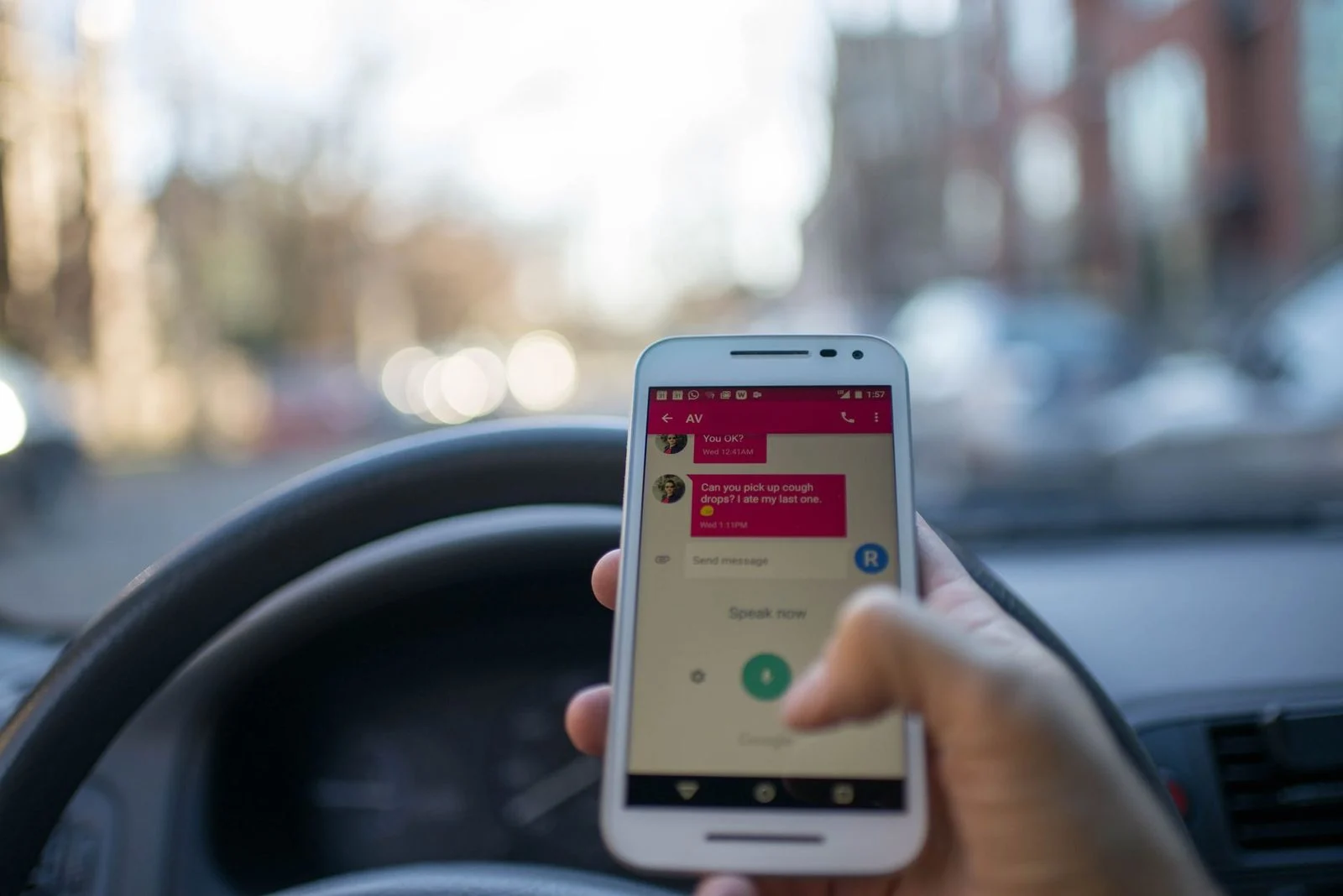
How Phone Use Affects Fault in a Georgia Car Crash Claim
Phone use can help show fault, but Georgia decides fault based on the facts of each crash. An injury claim starts with negligence, which means failing to use the care a reasonable person would use. Under O.C.G.A. § 51-1-6, when the law requires a person to refrain from acts that may injure others, the injured party may recover for breach of that duty if they suffer damage. Under O.C.G.A. § 51-1-2, ordinary negligence is the absence of the care that ordinarily prudent people use in similar circumstances. Texting or handling a phone while driving can be evidence that a driver did not use that care.
Fault is often disputed. The other side may argue you contributed to the crash. Georgia reduces damages by the injured person’s share of fault. Under O.C.G.A. § 51-12-33, the judge reduces damages in proportion to the plaintiff’s percentage of fault. The same section says a plaintiff who is 50 percent or more responsible for the injury cannot receive any damages. That is why evidence about what each driver was doing matters so much.
Evidence That Can Show a Driver Was on a Phone
The strongest proof of phone use usually comes from several sources working together. Each source has limits, so the full picture matters.
- Phone carrier records. Call, text, and data logs can show activity near the time of the crash.
- Dashcam video. Footage from the at-fault vehicle, a nearby car, or a business camera may show hands or a screen before impact.
- Crash and 911 records. The crash report, dispatch logs, and 911 recordings can show what was reported and when.
- Witness statements. A witness may have seen a driver looking down or holding a phone.
- Vehicle data. Event data recorders and telematics may log speed and braking, and sometimes phone connections. They may not show what was on the screen.
Together, these sources can tell a clearer story than any one of them alone.
Evidence to Keep Right After the Crash
The evidence you keep in the first days can matter as much as what the other side keeps. Start with what you can control.
- Photos. Capture the vehicles, the roadway, traffic signals, skid marks, debris, and any visible injuries. Save the date and time of each photo.
- Contact details. Write down the other driver’s name, insurance information, and the names and phone numbers of witnesses while memory is fresh.
- Your own records. Keep phone records, medical bills, pharmacy receipts, and records of lost work time.
- A simple journal. Note symptoms, headaches, pain, sleep, and daily limits. These details help a doctor and a claim reflect what the injury changed.
- Social media. Avoid posting about the crash, the other driver, or your injuries. Posts can be requested by the other side.
Evidence can disappear, so keeping your own copies of photos, bills, and records matters.
When the At-Fault Driver Was Driving for Work
When a commercial driver was texting, federal trucking rules and company liability may both come into play. Under the federal texting rule for truck drivers, no driver may text while driving a commercial motor vehicle, except when texting is necessary to communicate with law enforcement or other emergency services, and a motor carrier may not allow or require it. A separate federal hand-held phone rule bars drivers of commercial vehicles from using a hand-held mobile phone while driving, except when necessary to communicate with law enforcement officials or other emergency services.
Company responsibility is a separate question. Under O.C.G.A. § 51-2-2, a person can be liable for torts a servant commits within the scope of the person’s business. Early records can include electronic logging device data, dispatch messages, driver logs, and company phone policies. The federal trucking safety regulations prescribe minimum levels of financial responsibility for certain carriers, such as for-hire interstate carriers with vehicles rated at 10,001 pounds or more and carriers of listed hazardous materials, which can matter when such a vehicle is involved.
Medical Documentation for Injuries From a Distracted Driver Crash
See a medical doctor soon after a crash, even if your symptoms seem mild. Some symptoms change over days, and early treatment notes help show when the injury began. Fractures, hospital care, imaging, and treatment notes create the medical record that links your injuries to the crash.
Medical costs have a legal limit. Under O.C.G.A. § 51-12-1.1, special damages for medical and healthcare expenses are limited to the reasonable value of medically necessary care, treatment, or services. That makes clear records important. Keep copies of every bill, test result, and discharge paper. Follow the treatment plan your doctor gives you, and keep a note of any missed appointments and the reasons.
Not sure what your next step is?
Talk it through with our team — the first consultation is free, confidential, and carries no obligation.
Time Limits and Why Early Action Matters
Under O.C.G.A. § 9-3-33, except as otherwise provided in this article, actions for injuries to the person must be brought within two years after the right of action accrues. Claims for loss of consortium have a four-year period under the same section. Those are the general rules, and deadlines can turn on the facts of each case.
Time also affects evidence. Phone records, dashcam footage, and vehicle data may be kept for limited periods and can be overwritten. Early steps, such as requests to preserve evidence, help protect what may be lost. Waiting can make proof harder to gather.
When a Loved One Was Killed by a Distracted Driver
Under O.C.G.A. § 51-4-2, a surviving spouse, or if there is no surviving spouse, a child or children, may recover for the homicide of a spouse or parent the full value of the life of the decedent, as shown by the evidence.
Under O.C.G.A. § 51-4-2(a), the surviving spouse or, if there is no surviving spouse, a child or children, either minor or sui juris, may recover for the homicide of the spouse or parent the full value of the life of the decedent, as shown by the evidence. If nobody is entitled to bring an action under § 51-4-2 or § 51-4-4, the administrator or executor may bring an action under O.C.G.A. § 51-4-5(a) for the benefit of the next of kin, and under O.C.G.A. § 51-4-5(b) the personal representative may recover funeral, medical, and other necessary expenses. Under O.C.G.A. § 51-4-5, when death results from a crime or from criminal or other negligence, the personal representative may recover funeral, medical, and other necessary expenses from the injury and death. Families should keep the crash report, hospital and medical records, and a written account of what they saw or were told.
Who Pays and What Insurance May Cover
Injury claims may be handled through insurance, including the at-fault driver’s liability coverage, depending on the facts. When a company or vehicle owner is involved, a commercial policy may also apply. Each claim depends on its own documentation.
Under O.C.G.A. § 51-12-2, general damages are those the law presumes to flow from a wrongful act, and they may be recovered without proof of any amount. Special damages actually flow from the act, and they must be proved. Medical bills and pay records are the kind of proof special damages require.
Insurers may ask for recorded statements and may offer early payments. You do not have to agree on the spot. Talking with a lawyer before you accept anything is a reasonable step.
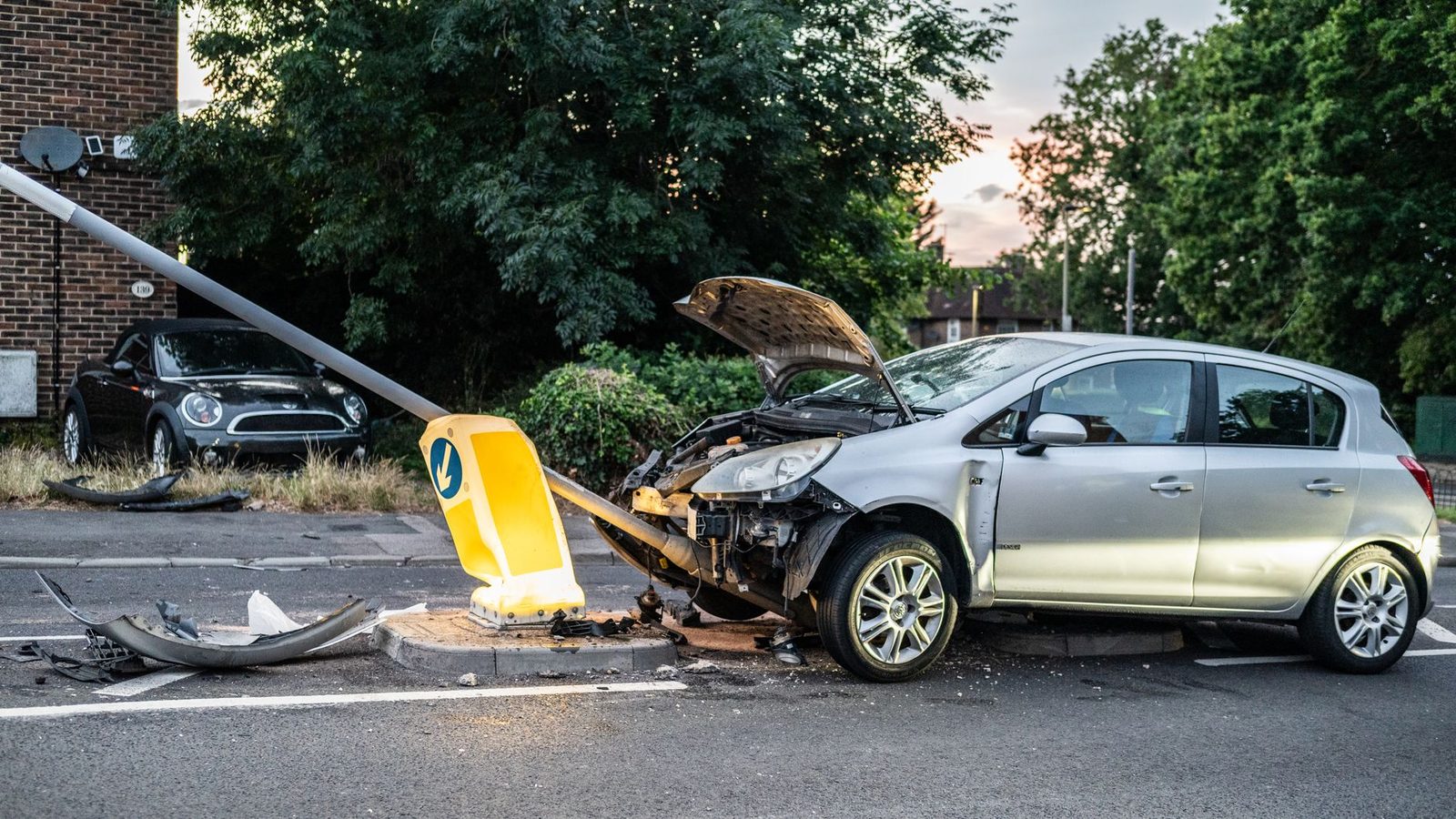
Talk Through Your Distracted Driver Crash With Ugwonali Law Group
If another driver was texting or on a phone when your crash happened, the evidence and deadlines in this guide may apply to you. People in this position may still be in treatment, waiting on bills, and deciding whether to act now or wait. Ugwonali Law Group offers a free case review to talk through those facts, in English or Spanish. Your first consultation is free, confidential, and comes with no obligation to continue. Contact Ugwonali Law Group to ask about a free, confidential first consultation without obligation.
Texting while driving in Georgia
Can phone records prove a driver was texting?
Phone records can be strong evidence when they are combined with the crash report, witness accounts, and other proof.
How long do I have to file a claim?
Georgia generally requires injury-to-the-person actions to be brought within two years after the right of action accrues under O.C.G.A. § 9-3-33, with a four-year period for loss of consortium claims and a one-year period for injuries to reputation.
Responsible lawyer: Adanna Ugwonali, Ugwonali Law Group, 3400 Peachtree Road NE, Atlanta, Georgia.
Common Forms of Driver Distraction
Handheld phone use
Texting, reading messages, scrolling social media, or holding a phone to talk while driving takes a driver's eyes and hands off the road.
In-car screens and controls
Navigation displays, touchscreens, and adjusting settings can pull attention away from traffic for several seconds at a time.
Eating, grooming, and passengers
Eating, reaching for objects, or turning to speak with passengers can leave a driver unable to react to sudden changes on the road.
Fatigue and impairment
Some crashes involve drivers who were not fully focused because of exhaustion or other impairment that reduced their attention.
How Our Firm Can Help
Reviewing the crash evidence
We look at the crash report, photos, and other records that may show what happened on the road and what the other driver was doing.
Understanding your medical needs
Serious injuries such as fractures, head trauma, and spinal injuries often require ongoing treatment by a medical doctor. We help you understand how that care fits into your case.
Plain-language answers
We explain the legal and medical process step by step so you can make informed decisions at each stage.
English and Spanish support
Our intake team can speak with you in English or Spanish, starting with your first call.
Write Down What You Remember
As soon as you are able, record the time and place of the crash, the other driver's behavior, any phone use you noticed, and the names of witnesses. Your own account matters, and details fade quickly.