

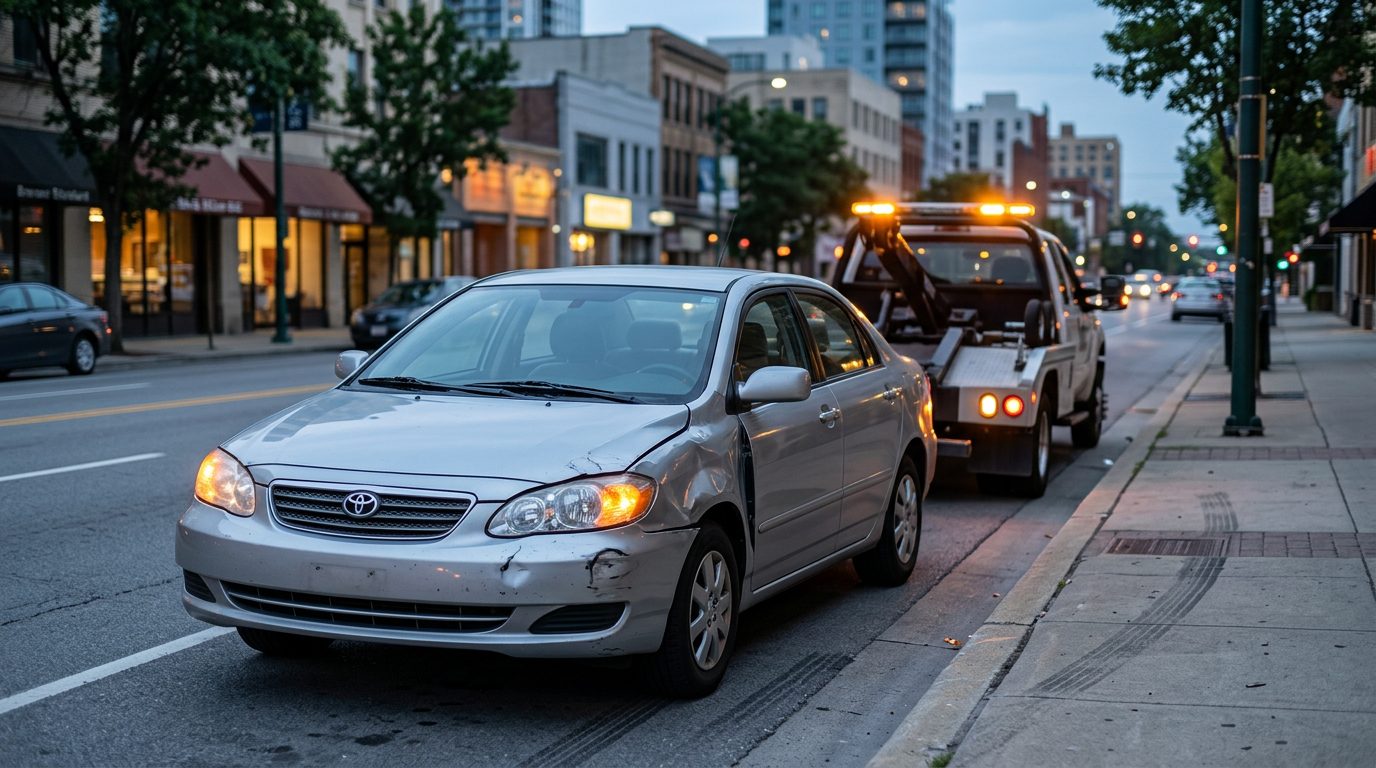
Atlanta and Georgia | Crash Report Guidance
Your Georgia Car Accident Crash Report: How to Get One
A plain-language guide to requesting your crash report after a serious collision, what it contains, and how it fits into the next steps for your injury claim.
By Adanna Ugwonali · Published October 18, 2026
Georgia Car Accident Crash Report: What It Is and How to Get One
A Georgia car accident crash report is the written record that an investigating agency makes after a crash. The agency prepares it, not the injured person and not the law firm. The report shows what the investigating officer saw and recorded. It does not decide who is at fault by itself.
If you were seriously hurt, the crash report may be one of the first papers you need. If you are still recovering, you may not be sure what to ask for. This guide explains what the report contains, who may get it, how to request it, and where it fits with your other records.
If you are holding a crash report you have not read yet after a serious wreck, our team can go through it with you alongside your medical records. Talk it through with our team — the first consultation is free, confidential, and carries no obligation.

What a Georgia Crash Report Is and Who Prepares It
A crash report is a record of an investigation. The law enforcement agency that responded to the crash writes it. The injured person does not write it, and neither does a lawyer.
Think of the report as the officer’s record of the scene. It is not a court judgment. No judge or jury has decided anything when the report is written. It captures what the officer found and what people told the officer that day.
For the wider picture, read our overview of serious car accident claims in Georgia.
What the Report May Include
A Georgia car accident crash report may include the date, time, and location of the crash. It may list the vehicles and drivers involved. It may also show the names and contact details recorded for parties and witnesses. Many reports include the officer’s observations, a diagram, and a written narrative.
What appears depends on what the officer recorded at the scene and afterward. A report is only as complete as the information the officer gathered.
The officer’s observations are recorded statements. Compare them with your own account and with your medical records. If the details do not match, that difference matters. A statement in the report is not proof of fault on its own.
A crash report is one of several factors that may influence a claim. Others include medical records, photographs, insurance information, and witness statements. How much each item matters depends on the facts.
Who May Request a Georgia Crash Report
Ask the agency how its process applies to your situation.
Family members sometimes help gather information about a crash while an injured person recovers. The agency’s rules still control the request.
If you already have a report, our team can review it with you. You do not need the firm to get it first. The review looks at the report alongside your medical records and other documents you provide.
How to Request a Georgia Car Accident Crash Report
To request a crash report, contact the investigating agency and ask for its request process. Have these details ready to help staff find the right file:
- The crash date and an approximate time
- The city or county where the crash happened
- The roadway, intersection, or nearby landmark
- The names of the drivers involved
- The report or case number, if you have one
Keep copies of your request, any confirmation you receive, and any letters or emails from the agency. Dates and reference numbers help if a request is delayed.
For location-specific guidance, see our pages on Atlanta car accident claims and Clayton County car accident claims.
What a Crash Report Does Not Settle on Its Own
A crash report does not decide who is responsible or what a claim is worth. It is one record among several.
Georgia sets a two-year limit for many injury claims. O.C.G.A. § 9-3-33 says actions for injuries to the person “shall be brought within two years after the right of action accrues.”
Fault works differently. Under O.C.G.A. § 51-12-33, the trier of fact decides the injured person’s percentage of fault. The judge then reduces the damages in proportion to that percentage. If the injured person is 50 percent or more responsible, the statute says they are not entitled to receive any damages (O.C.G.A. § 51-12-33). When more than one person is liable, damages are generally apportioned among those found liable, and the result depends on the trier of fact’s findings and the statute’s scope and exceptions.
Medical bills also matter. Under O.C.G.A. § 51-12-1.1, for claims the statute governs, medical expenses are limited to the reasonable value of medically necessary care. For claims governed by O.C.G.A. § 51-12-1.1, if you have any form of public or private health insurance, including benefits under a governmental workers’ compensation program, the statute says the evidence “shall include both the amounts charged and the amounts actually necessary to satisfy those charges” pursuant to the insurance contract or the applicable governmental workers’ compensation program, whether or not the insurance has been or will be used. Keep your bills and insurance statements with the crash report.
Other records also shape a claim. These include treatment records, photographs, vehicle damage information, and insurance coverage. Whether any one item matters most depends on the facts of your case.
Frequently Asked Questions
How do I get a crash report in Georgia?
Contact the investigating agency and ask for its request process. Give it the crash date, location, and driver names.
Does a crash report decide who is at fault?
A crash report does not decide fault on its own. It is one of several factors that may influence a claim.
How long do I have to file an injury claim in Georgia?
Georgia law generally requires injury actions to be brought within two years after the right of action accrues, under O.C.G.A. § 9-3-33.
Can a passenger get a crash report?
Ask the investigating agency how its process applies to passengers.
Not sure what your next step is?
Talk it through with our team — the first consultation is free, confidential, and carries no obligation.
How Ugwonali Law Group Reviews the Report With You
Ugwonali Law Group can review a crash report with you alongside your medical records and other documents. The review helps you understand what each record says and how it fits with the medical and legal process.
Attorney Adanna Ugwonali leads the firm. Support staff help with the work. The office is at 3400 Peachtree Road NE, Atlanta, Georgia.
The review does not produce a set result. What a record means for your claim depends on the facts and on what your other records show.
The first consultation is free, confidential, and carries no obligation to continue. Intake staff can help in English or Spanish.
If you are holding a crash report you have not read yet after a serious wreck, and you are unsure what it means for your next steps, our team would be glad to go through it with you. Reach out through our contact form.
Attorney Advertising Disclaimer
Attorney advertising. Adanna Ugwonali is the responsible lawyer for Ugwonali Law Group, 3400 Peachtree Road NE, Atlanta, Georgia. Contact details are available on our contact page.
This page is for general information only. It is not legal advice. Reading it does not create an attorney-client relationship. This page does not promise or predict any result.
What a crash report can include
Basic crash details
The date, time, and location of the collision, along with the agency and officer involved.
Parties and vehicles
Driver, passenger, and vehicle information that helps identify everyone involved in the crash.
Officer observations
Notes on road and weather conditions, visible damage, and statements the investigating officer recorded.
Context for your claim
A starting point that can help your attorney understand what happened and what records may still be needed.
How to request your crash report
1. Gather what you know
Write down the crash date, location, and the names of drivers involved. Having your insurance and case information ready can speed up the request.
2. Contact the investigating agency
Ask the agency that responded to the crash about its request process. Give the crash date, location, and driver names so the records team can find your file.
3. Review the report carefully
Check names, vehicle details, and the description of events. Note anything that looks incorrect so you can raise it with your attorney.
4. Bring it to your free review
Share the report during your free case review so our team can explain how it may fit into your injury matter.
Keep your crash information together
Save photos, medical records, repair estimates, and any letters from insurers alongside your crash report. Organized records make it easier to understand your situation during your first call.