

Atlanta & Georgia | Crash Reports
How Do I Look Up an Accident Report in Georgia?
A plain-language guide to requesting a crash report after a serious injury, what it contains, and how it fits into your case. Ugwonali Law Group offers free case reviews.
Ugwonali Law Group at a Glance
Free
Case reviews and first consultations
English & Spanish
Intake team available in both languages
Atlanta
3400 Peachtree Road NE, Atlanta, GA
By Adanna Ugwonali · Published October 18, 2026
How do I look up an accident report in Georgia? Start by finding the agency that investigated the crash. Then request the report online, in person, by mail, or through a written open records request. The agency is usually a city police department, a county sheriff’s office, or the Georgia State Patrol. This guide walks through each step and explains how to read what you get.
What a Georgia Accident Report Is and Why It Matters
A Georgia accident report, often called a crash report, is the official record an investigating agency creates after a crash. It lists the date, time, and location, the vehicles and drivers, the occupants and any injuries, and witness details. It also includes a diagram and the officer’s written narrative.
People often need the report for insurance paperwork. It also gives a clear timeline and a starting point for understanding what happened. The Georgia Department of Transportation notes that crash-report data is used in resolving legal matters (Georgia Uniform Vehicle Accident Report).
Remember that the report is one piece of the record. It shows what the officer saw and was told at the scene. It is not the final word on how the crash happened.
If your crash in Georgia left you or a family member seriously hurt, our team can talk through the report and next steps in a free, confidential first consultation, without obligation to continue. Talk it through with our team — the first consultation is free, confidential, and carries no obligation.
Find Out Which Agency Investigated the Crash
The agency that responded to the scene holds the report. That is usually a city police department, a county sheriff’s office, or the Georgia State Patrol.
The location tells you a lot. Look at where the crash happened, such as inside city limits, in an unincorporated county area, or on a state route or interstate. Then check the paperwork you received at the scene. A responding officer’s card or exchange form usually names the agency and may show a case number.
Write down these details right away:
- The crash date and time
- The exact location, including road names or the nearest intersection
- The agency name and the officer’s name or badge number, if you have them
- Any report or case number
The Georgia Department of Transportation explains that crash data is available by city or county and describes how to obtain police crash reports (GDOT crash reporting).
How to Request the Report: Online, In Person, or by Mail
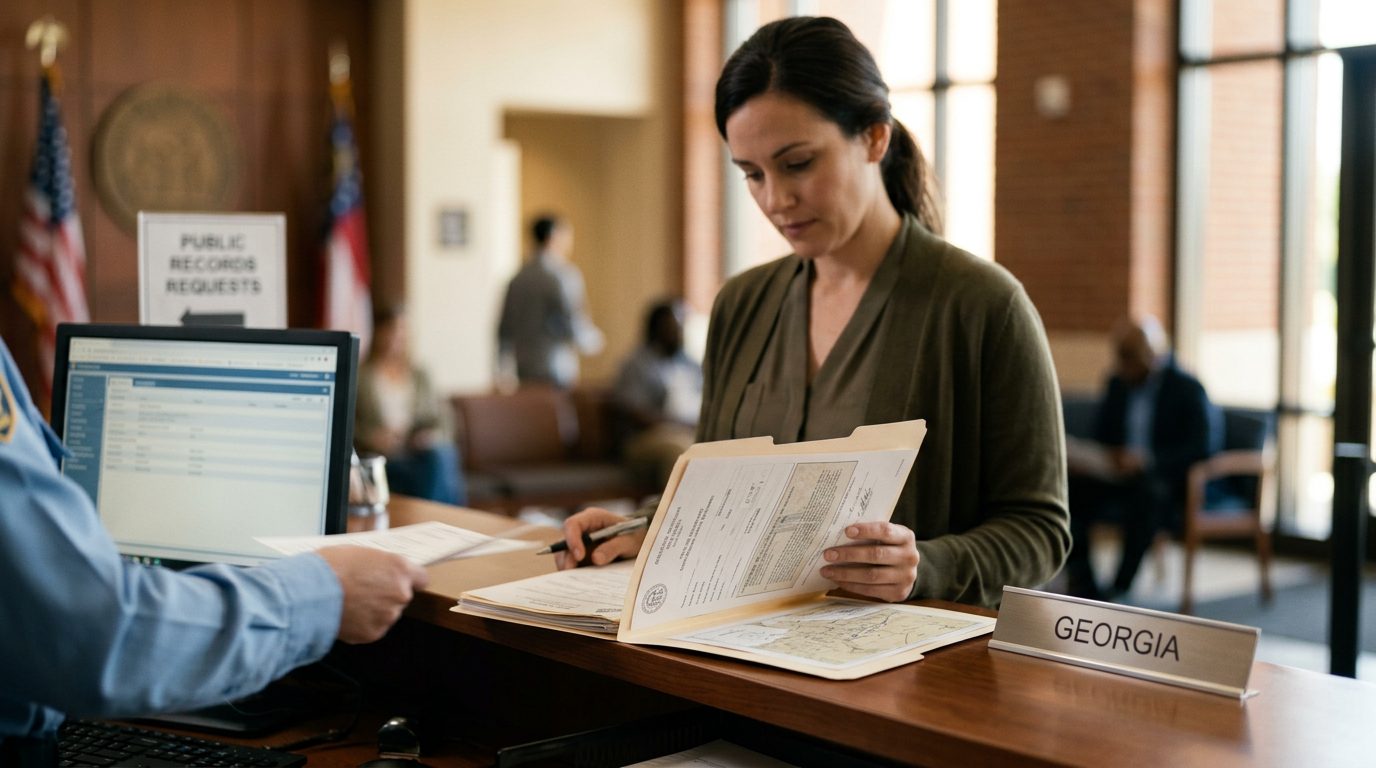
You can request a Georgia crash report online, in person, by mail, or through a written open records request. Each route asks for the same core details.
Online. The GDOT describes obtaining police crash reports through BuyCrash or GDOT (GDOT crash reporting). You will usually enter the crash date, the names of the people involved, and the location. A report number helps if you have one.
In person or by mail. Contact the agency that investigated the crash. Ask which form it uses and what identification and payment it accepts.
A written request should include the crash date, location, and names involved.
Copy fees and processing times vary by agency and by request. Confirm both before you pay. Eligibility can also depend on the facts of the crash and your relationship to it. A family member may need to show that relationship.
What Goes in the Crash Report and How to Read It
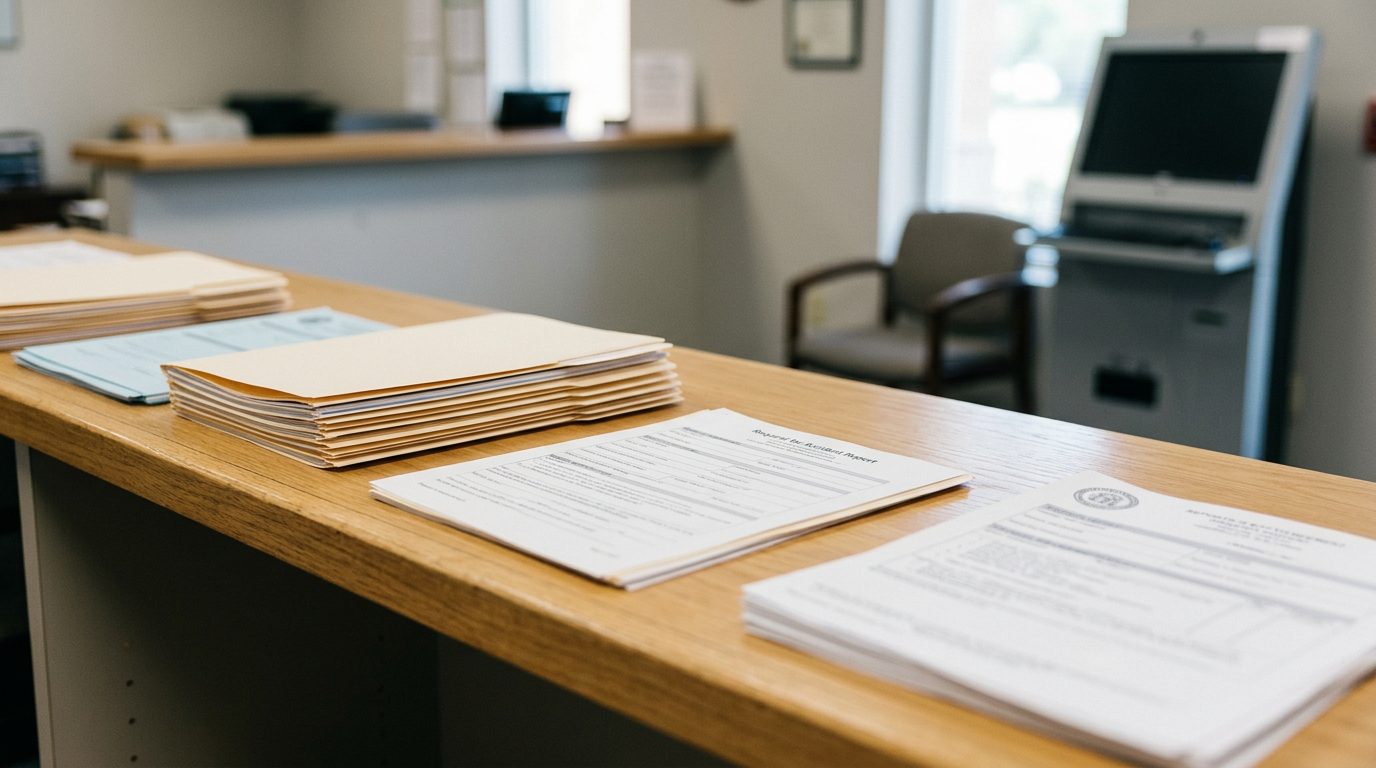
A Georgia crash report is organized into sections. Start with the top section, which lists the date, time, and location. Then read the vehicles and drivers, the occupants and injuries, the witness information, the diagram, and the officer’s narrative. Any citations issued appear in the report too.
Operator contributing factors are codes the officer records. They describe conditions or actions seen at the scene, such as speed, distraction, or failure to yield. These entries are recorded observations. They do not, by themselves, decide who is legally responsible.
Georgia uses modified comparative fault, which means shared fault (O.C.G.A. § 51-12-33-pdf.pdf)). A person’s damages are reduced by their share of fault. A person who is 50 percent or more at fault recovers nothing. Under O.C.G.A. § 51-12-33(a), if the plaintiff is to some degree responsible for the injury or damages claimed, the judge shall reduce the amount of damages otherwise awarded to the plaintiff in proportion to his or her percentage of fault (O.C.G.A. § 51-12-33-pdf.pdf)-pdf.pdf)). Under subsection (g), the plaintiff shall not be entitled to receive any damages if the plaintiff is 50 percent or more responsible for the injury or damages claimed.
Check names, plate numbers, and the diagram for errors. If something is wrong, ask the agency how to request a correction.
How Long After a Crash Must It Be Reported?
Reporting timing and records timing are different questions. The date of the crash matters for the report. The date of your records request matters for getting the report. Agencies need time to finish a report and process a request.
Lawsuits have their own clocks. Start the records request early.
When the Crash Left Someone Seriously Hurt or Killed
If a crash caused a hospital stay or a death, the report is one of several records to gather. Others include medical records and bills, insurance information, photos of the scene and vehicles, and witness names. Keep copies of everything in one place.
Georgia law also addresses wrongful death. For an overview of how these claims work, see our car accident claims page.
Frequently Asked Questions
How do I get a copy of a police report in Georgia?
Request it from the agency that investigated the crash, or through the online options the GDOT describes. Have the crash date and location ready.
Does the crash report decide who was at fault?
The report records what the officer observed. It does not, by itself, decide legal responsibility.
How long do I have to file a lawsuit after a Georgia crash?
For personal injury, the general deadline is two years.
If your crash caused serious injury or a death, our team can talk with you about the report and what comes next. The first consultation is free, confidential, and without obligation to continue. We offer intake in English or Spanish. Contact us here.
Disclaimer: This page is general information, not legal advice. The responsible lawyer is Adanna Ugwonali of Ugwonali Law Group, 3400 Peachtree Road NE, Atlanta, Georgia.
What a Crash Report Can Help You Understand
Facts of the crash
The report lists the date, time, location, vehicles, and people involved, and it often includes a diagram and the investigating officer's notes.
What the officer observed
The report records what the investigating officer saw and was told at the scene. It is a valuable record, but it does not by itself decide legal responsibility.
Injury and medical details
Injuries noted at the scene, and any transport to a hospital, can help connect the crash to the medical care that followed.
Witnesses and other parties
Contact information for drivers, passengers, and witnesses can point you to people whose accounts may matter to your claim.
Tip: Gather the Details Before You Request the Report
Keep the crash date, the city or county where it happened, the names of the drivers involved, and the report or case number if the officer gave you one. Having these details ready makes the request much easier.
Three Ways to Request a Crash Report
Ask the investigating agency
Contact the police department or sheriff's office that responded to the crash. Ask how they release reports and what identifying details they need.
Use the state crash report system
The Georgia Department of Transportation describes online options for obtaining crash reports. Have the crash date and location ready when you search.
Let our team help
If the report is hard to locate or the crash involved a commercial truck or other serious injury, our team can help you understand the request process and what to do next.