

Slip and Fall | Atlanta, Georgia
Hurt in a Slip, Trip or Fall? Learn Your Options Before You Decide.
Adanna Ugwonali is the attorney at Ugwonali Law Group, which represents people seriously injured on property owned or controlled by someone else across metro Atlanta and throughout Georgia. Your first consultation is free and confidential.
By Adanna Ugwonali · Published October 15, 2026
If you were seriously hurt in a slip, trip or fall on property owned or controlled by someone else, you may have a premises liability claim under Georgia law. This guide explains how that claim works, what evidence matters, and how a slip and fall attorney can help you understand your options. It cannot predict how any case will turn out, because every claim depends on its own facts.
When a Slip, Trip or Fall May Support a Claim in Georgia
A fall may support a claim in Georgia when a property’s condition caused it and the fall led to real harm. Georgia law places a duty on property owners and occupiers. Under O.C.G.A. § 51-3-1, an owner or occupier who invites others onto its premises for a lawful purpose must use ordinary care to keep the premises and approaches safe. If it fails to do that, and someone is hurt, it can be liable for those injuries.
This page focuses on serious injuries. That means fractures, hospital care, head and spinal injuries, and death. Minor bumps and bruises are a different situation. Serious injuries usually involve medical treatment, large bills, time away from work, and a long recovery.
Every claim turns on its own facts. Who controlled the property, what the condition was, how long it existed, and how the fall happened all matter. No lawyer can promise how a claim will end.
The sections below cover how falls happen, what a premises claim must show, how negligence is proven, medical and evidence steps, deadlines, insurance, fees, and where the firm works. The cluster guides on the first 48 hours, medical care, filing deadlines, and policy limits go deeper on those topics.
If a fall on someone else's property left you with a fracture or a hospital stay, you may have a claim worth reviewing, and our team can walk you through your options. Talk it through with our team — the first consultation is free, confidential, and carries no obligation.

How Slip, Trip and Fall Injuries Happen
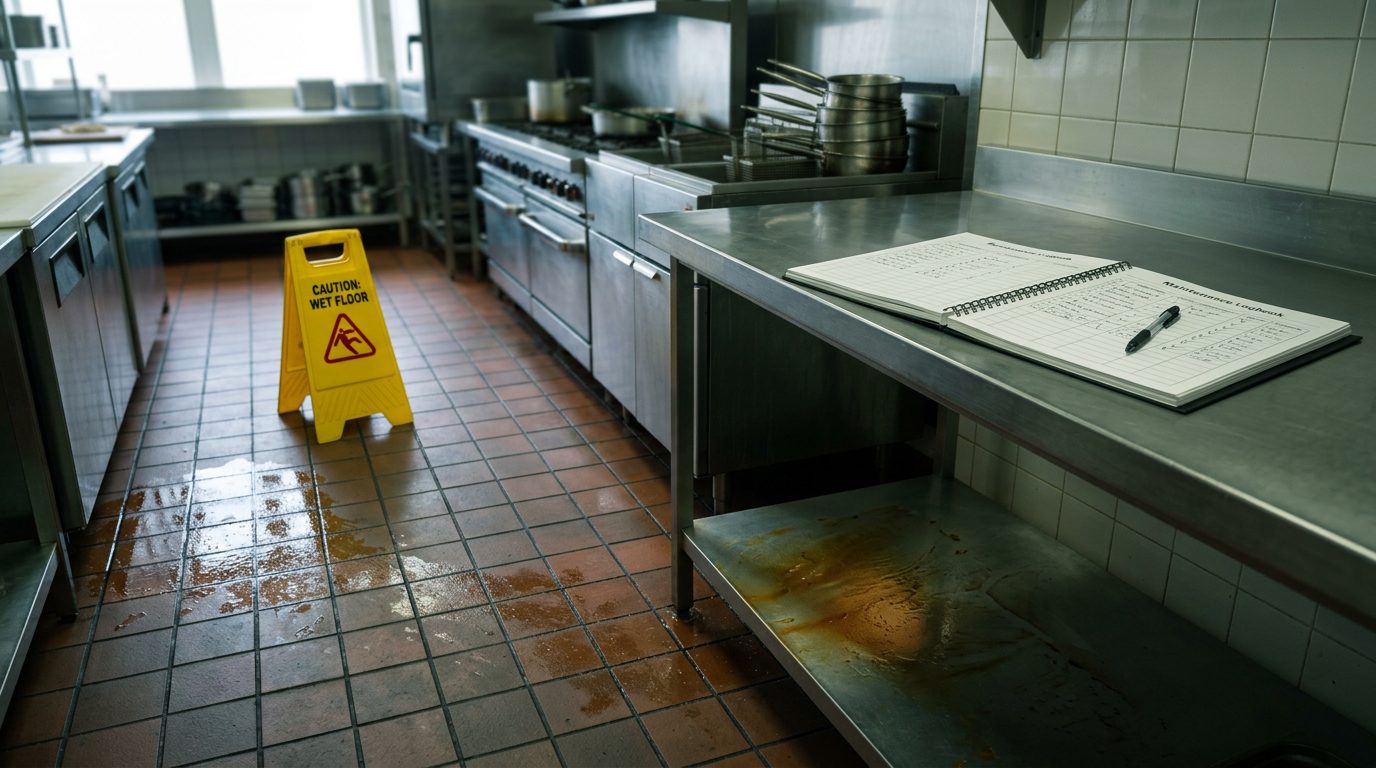
Many serious falls come from hazards that could have been fixed, marked, or guarded. Common hazards include wet or unmarked floors, spilled products in store aisles, and freshly mopped floors with no warning sign. Other examples on privately owned or controlled property include broken stairs, loose handrails, torn carpet, and potholes in private parking lots.
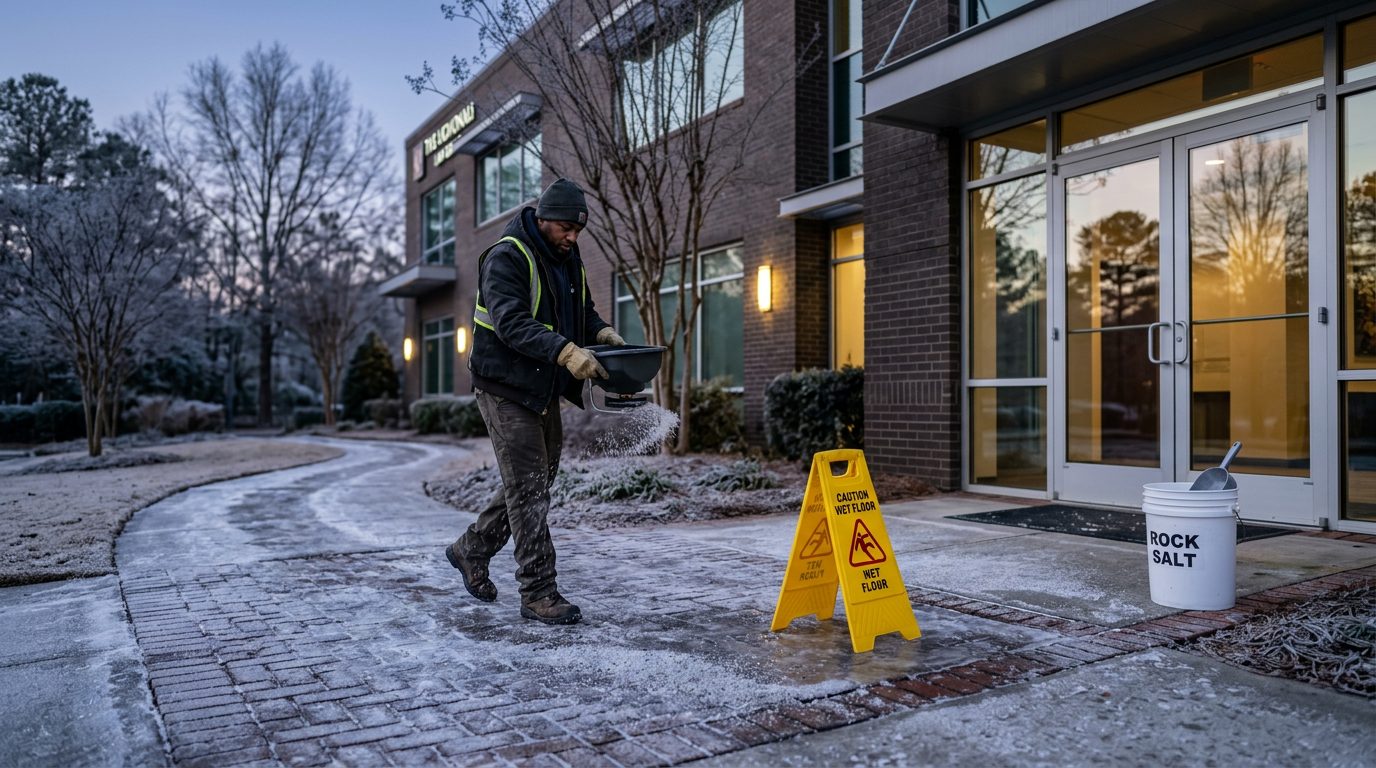
Poor lighting causes falls in stairwells and hallways. Ice, snow, and debris at building entrances cause falls too. Missing guardrails and open work areas can create risks for visitors to private property. These hazards can also appear at apartment complexes, offices, restaurants, and retail stores.
A fall that seems minor at the scene can still cause serious harm. A person who lands on an outstretched hand or hip may break a wrist or hip. A head strike or a twisting fall can injure the brain or spine. Some injuries are hard to judge right away, so a medical evaluation matters.
The Basic Elements of a Georgia Premises Liability Claim
A premises liability claim asks whether the property owner or occupier was responsible for the hazard that caused the injury. In general terms, the claim must show a duty, a breach of that duty, causation, and damages.
The duty comes from the relationship between the property and the visitor. The statute places a duty of ordinary care on an owner or occupier who invites people onto the property (O.C.G.A. § 51-3-1). A shopper, diner, or customer invited for business is a common example.
A breach means the owner or occupier failed to use ordinary care. That can mean it did not fix the hazard, did not warn visitors about it, or did not guard against it. Proof of what the owner knew, and when, is often a central question.
Damages are the losses the fall caused. These include medical bills, lost income, and pain and suffering.
Medical bills are limited in a specific way. Under O.C.G.A. § 51-12-1.1, special damages for medical and healthcare expenses are limited to the reasonable value of medically necessary care, treatment, or services.
More than one party can be connected to a hazard. The owner, a tenant, a property manager, or a contractor may each play a role. Identifying who controlled the condition is an early step.
How to Prove Negligence in a Slip and Fall
To prove negligence in a slip and fall, you must show that the property owner was careless about a hazard, and that the carelessness caused your injury. The proof usually comes from records, the scene, and the people who saw what happened.
Records that show notice are often important. These include prior complaints, inspection logs, cleaning and maintenance records, and incident reports. They can show whether the owner had a chance to find and fix the hazard.
How long the hazard was there also matters. A spill that sat for an hour tells a different story than one that appeared a moment before the fall. Photos, video, and witness statements can show timing.
Surveillance video can be overwritten on a schedule. That is why early written requests to preserve footage matter. Your own photographs, the lighting, and the shoes you wore can also become evidence.
Liability is a factual question. The property owner or its insurer can dispute how the fall happened, who was at fault, or how serious the injuries are. Careful documentation helps answer those disputes.
Serious Injuries After a Fall and Why Medical Care Matters
The most important step after a serious fall is getting medical care from a medical doctor. Care protects your health first. It also creates a record that connects your injuries to the fall.
Serious fall injuries include hip, wrist, ankle, and leg fractures. They also include traumatic brain injuries, spinal cord injuries, and internal injuries. Each of these needs prompt evaluation, even when the person feels they can walk it off.
Tell your doctor about every symptom, including ones that seem minor. Describe where the fall happened and how you landed. Accurate history helps the doctor and helps your records.
Keep a file of every appointment, prescription, imaging study, bill, and out-of-work period. Note how pain, sleep, and daily tasks change over time. These notes help show the real effects of the fall.
Medical bills in a claim must be tied to necessary care. Georgia law focuses on the reasonable value of medically necessary treatment, so clean, complete records matter.
The First 48 Hours: Evidence and Reporting Steps
In the first 48 hours, report the fall, document the scene, and keep your own records. Quick steps protect evidence that can change or disappear.
Report the fall to the store, property manager, or owner. Ask for an incident report, and ask for a copy. Keep the name of the person who took the report.
Photograph the hazard, the lighting, the surrounding area, and the shoes or clothing you wore. Take pictures before conditions change. If the spot has been cleaned, photograph the area anyway.
Get names and phone numbers of witnesses. Write down what each person saw while the memory is fresh. Ask the business in writing to preserve its video.
Be careful with recorded statements to an insurance adjuster. Do not sign papers from the property owner or its insurer without reading them first. Understanding the claim before you speak about it can protect your position.
Not sure what your next step is?
Talk it through with our team — the first consultation is free, confidential, and carries no obligation.
Georgia Deadlines and Comparative Fault
In most Georgia injury cases, the filing deadline is two years after the injury (O.C.G.A. § 9-3-33). Under O.C.G.A. § 9-3-33, actions for injuries to the person must be brought within two years after the right of action accrues. Other timing rules can apply, so early review matters.
A missed deadline can end a claim, even a strong one. Evidence also fades over time. Early evaluation gives you more time to gather records and preserve proof.
Georgia also uses a fault-sharing rule. Under O.C.G.A. § 51-12-33, the judge reduces damages in proportion to the plaintiff’s percentage of fault (O.C.G.A. § 51-12-33). This is often called comparative fault, or shared fault (O.C.G.A. § 51-12-33).
The same statute says a plaintiff who is 50 percent or more responsible cannot receive damages (O.C.G.A. § 51-12-33). Damages are also apportioned among liable persons by their own percentage of fault, rather than shared jointly. Fault of nonparties can also be considered.
Because fault can be disputed, early documentation of how the fall happened can matter a great deal.
Insurance, Policy Limits, and Who Can Be Held Responsible
Businesses often carry commercial general liability insurance, which may respond to a fall claim on their property. The owner’s insurer, the tenant’s insurer, or a contractor’s insurer may each be involved.
Policies have limits. A policy limit is the most the insurer will pay under that policy. When injuries are serious, the limits of available policies can become an important issue.
Coverage may exist in more than one policy. The owner, the tenant, a property manager, or a contractor may each carry insurance. Identifying all possible sources early can help you understand the situation.
Choosing the right party to pursue is a legal question. The person who controlled the hazard is often central. Written leases, management contracts, and maintenance agreements can help identify who was responsible.
No one can predict the value of a claim from a description alone. Policy limits, the facts of the fall, and the injuries all affect the outcome.
How Fees, Costs, and a Free Consultation Work
Before you agree to work with Ugwonali Law Group, ask how fees and costs are calculated. Ask for a clear explanation in writing before you sign.
Costs are separate from fees. Court costs and case expenses, such as filing fees, records, and fees for outside witnesses or consultants, may be owed by the client. Ask about this directly.
Ugwonali Law Group offers a free first consultation. That consultation is confidential and carries no obligation to continue. You can talk through the fall, your injuries, and your questions before you decide anything.
Intake staff can take your call in English or Spanish. Our team can explain what the first conversation involves and what information helps. A slip and fall attorney can also review the deadline and evidence questions with you.
Our cluster guide on how personal injury lawyers charge explains common fee terms in more detail.
Where We Represent Injured Clients in Georgia
Ugwonali Law Group is based at 3400 Peachtree Road NE, Atlanta, Georgia. The firm represents injured clients in metro Atlanta and communities nearby.
The firm serves clients in Atlanta, Fulton County, Clayton County, Cobb County, Rockdale County, Marietta, Jonesboro, and Conyers. Representation is also available statewide in Georgia for serious slip, trip and fall injuries.
Distance should not stop you from asking questions. A phone call or online request can start the conversation, no matter where the fall happened in Georgia.
Cluster pages cover trip and fall injuries in Atlanta, premises liability in Atlanta, and each county and city listed above. Each one follows the same plain approach.
Talk With Adanna Ugwonali About Your Fall
A free, confidential first consultation is a practical next step after a serious fall. It gives you time to ask questions before deciding anything.
Can I sue a store if I slipped on a wet floor in Georgia? You may have a claim if the store failed to use ordinary care to fix, warn of, or guard against the hazard. Each case depends on its own facts.
How long do I have to file a slip and fall lawsuit in Georgia? Georgia generally requires personal injury suits to be filed within two years after the injury (O.C.G.A. § 9-3-33). Other rules can apply, so ask early.
What if I was partly at fault for my fall? Georgia reduces damages by your percentage of fault (O.C.G.A. § 51-12-33). If you are 50 percent or more responsible, you cannot recover damages (O.C.G.A. § 51-12-33).
Is the first consultation really free? Yes, the first consultation is free and confidential, and it carries no obligation to continue.
If a fall on someone else’s property left you with a fracture, a hospital stay, or a family loss, you may be weighing whether to act now. Contact Ugwonali Law Group through our contact page to talk with attorney Adanna Ugwonali about your options.
Disclaimer: Adanna Ugwonali is the responsible lawyer for Ugwonali Law Group, 3400 Peachtree Road NE, Atlanta, Georgia. Contact the firm through attorneyadanna.com/contact. This page is general educational information, not legal advice. Prior results do not predict future outcomes.
How We Work With You
Plain-Language Guidance
We explain the legal and medical process in terms you can follow, so you know what to expect at each step.
Free Case Review
Share what happened, where it happened and how you were treated. We will review the details with you at no cost.
English or Spanish
Our intake team speaks with you in English or Spanish, whichever you prefer.
Confidential Conversations
Your first consultation is confidential and comes with no obligation to continue.
Get Medical Care Right Away
Some injuries, including head and back injuries, may not show symptoms until hours or days after a fall. Seeing a medical doctor promptly protects your health and creates a record of your injuries. Keep copies of your medical bills, and if you can, photograph the spot where you fell.
Places Where Serious Falls Often Happen
Retail Stores and Grocery Shops
Wet floors, uneven tile, spilled liquids and poorly lit aisles can lead to serious falls.
Parking Lots and Walkways
Potholes, cracked pavement, broken curbs and icy surfaces can cause falls that result in fractures and other injuries.
Apartments and Rental Properties
Broken stairs, loose handrails, damaged flooring and unsafe common areas are common concerns for residents and visitors.
Unmarked hazards, missing warning signs and poor maintenance can turn an ordinary visit into a serious injury.