


Traumatic Brain Injury | Atlanta and Statewide Georgia
A Brain Injury Changes Everything. We Help You Understand Your Options.
Ugwonali Law Group represents people seriously hurt in truck crashes, car crashes, falls, and unsafe-property incidents, and families in wrongful death cases. Our team explains the legal and medical process in plain language. Speak with us in English or Spanish.
By Adanna Ugwonali · Published October 21, 2026
A catastrophic brain injury is a serious, long-lasting injury to the brain. It can change how a person thinks, moves, and handles daily life. When a truck crash, car crash, or fall causes one, Georgia law may allow the injured person or family to seek compensation from the party responsible. For families in metro Atlanta, a catastrophic brain injury lawyer can explain the medical and legal steps. This guide covers what these injuries are, how they happen, what a claim can cover, and how the process works.
What a Catastrophic Brain Injury Means for a Family
A traumatic brain injury happens when a blow, jolt, or penetrating force disrupts normal brain function. The Georgia Department of Public Health explains the causes, symptoms, and consequences of concussion and traumatic brain injury. Severity ranges from mild to severe.
We use “catastrophic” for serious injuries with long-lasting effects. These often need ongoing hospital care, rehabilitation, and daily help. Georgia brain injury research notes that traumatic brain injury can cause temporary or permanent disability. It also notes that mild or repeated injuries can be hard to diagnose.
Effects that can last include:
- memory and attention problems
- changes in mood or behavior
- headaches and fatigue
- balance and speech difficulties
Any head injury deserves a medical evaluation, including imaging and neurological testing. Symptoms can also appear days after the event. Families often become caregivers. They track appointments, paperwork, and decisions while the injured person recovers. A written log of symptoms and visits can help.
If a crash or fall has left someone you love with a brain injury, you don't have to face the next steps alone. Our team is ready to talk, in English or Spanish. Talk it through with our team — the first consultation is free, confidential, and carries no obligation.
How Brain Injuries Happen in Crashes and Falls
Brain injuries in these cases happen when the head strikes something hard, or the brain is jolted inside the skull. How the injury happened often shapes the claim.
- Truck crashes: Rollovers, jackknifes, and underride impacts can send strong force to the head, even inside the cab.
- Car crashes: Heads can strike steering wheels, windshields, or side windows. High-speed impacts can also jolt the head and neck hard.
- Falls on unsafe property: Wet floors, broken stairs, and unrepaired hazards can cause skull fractures or bleeding in the brain.
- Wrongful death: Sometimes a brain injury from a crash or fall leads to death. The family may then have a claim under Georgia law.
Medical records tie the injury to the event. Emergency room notes, imaging, and treatment history help show what happened and when.
What a Brain Injury Claim Can Cover
A brain injury claim can seek compensation for medical care, rehabilitation, lost income, future needs, and other losses.
- Medical costs: emergency care, hospital stays, surgery, imaging, neurology visits, and medication.
- Rehabilitation: physical, occupational, speech, and cognitive therapy, plus equipment and home changes.
- Lost income: wages lost now, and any reduced ability to earn later.
- Future care: lifelong treatment and in-home support, backed by medical records.
General damages are presumed to flow from the injury, so they can be recovered without proof of an amount. Special damages, such as bills, actually flow from the injury and must be proved (O.C.G.A. § 51-12-2). Medical expenses are limited to the reasonable value of medically necessary care (O.C.G.A. § 51-12-1.1-pdf.pdf)-pdf.pdf)-pdf.pdf)-pdf.pdf)). Future losses can be reduced to present value, using a 5 percent rate or another rate the jury or judge chooses (O.C.G.A. § 51-12-13-2017-pdf.pdf)-2017-pdf.pdf)-2017-pdf.pdf)-2017-pdf.pdf)).
In a wrongful death case, a surviving spouse may recover the full value of the decedent’s life, as shown by the evidence (O.C.G.A. § 51-4-2-pdf.pdf)-pdf.pdf)-pdf.pdf)-pdf.pdf)). Where death results from a crime or from criminal or other negligence, the personal representative may also recover funeral, medical, and other necessary expenses resulting from the injury and death (O.C.G.A. § 51-4-5-2017-pdf.pdf)-2017-pdf.pdf)-2017-pdf.pdf)-2017-pdf.pdf)). Pain and suffering are harder to measure than bills.
Who Can Be Held Responsible
Often, yes: a person can bring a claim when another party’s negligence caused the brain injury. Whether that fits a particular situation depends on the facts.
- The at-fault driver: when another driver’s negligence caused the crash.
- The trucking company or employer: Under O.C.G.A. § 51-2-2-2017-pdf.pdf)-2017-pdf.pdf)-2017-pdf.pdf)-2017-pdf.pdf), a person is liable for torts committed by a servant within the scope of the business.
- Property owners and managers: those who fail to repair hazards, warn of dangers, or fix unsafe conditions.
- Insurance: a commercial or corporate policy often stands behind the at-fault party. The policy limits shape what is available.
Georgia also looks at the injured person’s own share of fault. Under O.C.G.A. § 51-12-33-pdf.pdf)-pdf.pdf)-pdf.pdf)-pdf.pdf), damages are reduced in proportion to the injured person’s fault. A person who is 50 percent or more responsible receives no damages. Each liable person pays only its own apportioned share, not a joint share.
How a Catastrophic Brain Injury Case Moves Forward
A case usually moves from a first review to evidence, medical documentation, negotiation, and, when needed, a lawsuit.
- First call. Our free first consultation is confidential and comes without obligation to continue. Intake staff gather basic facts about the crash or fall and the treatment. Intake is available in English or Spanish.
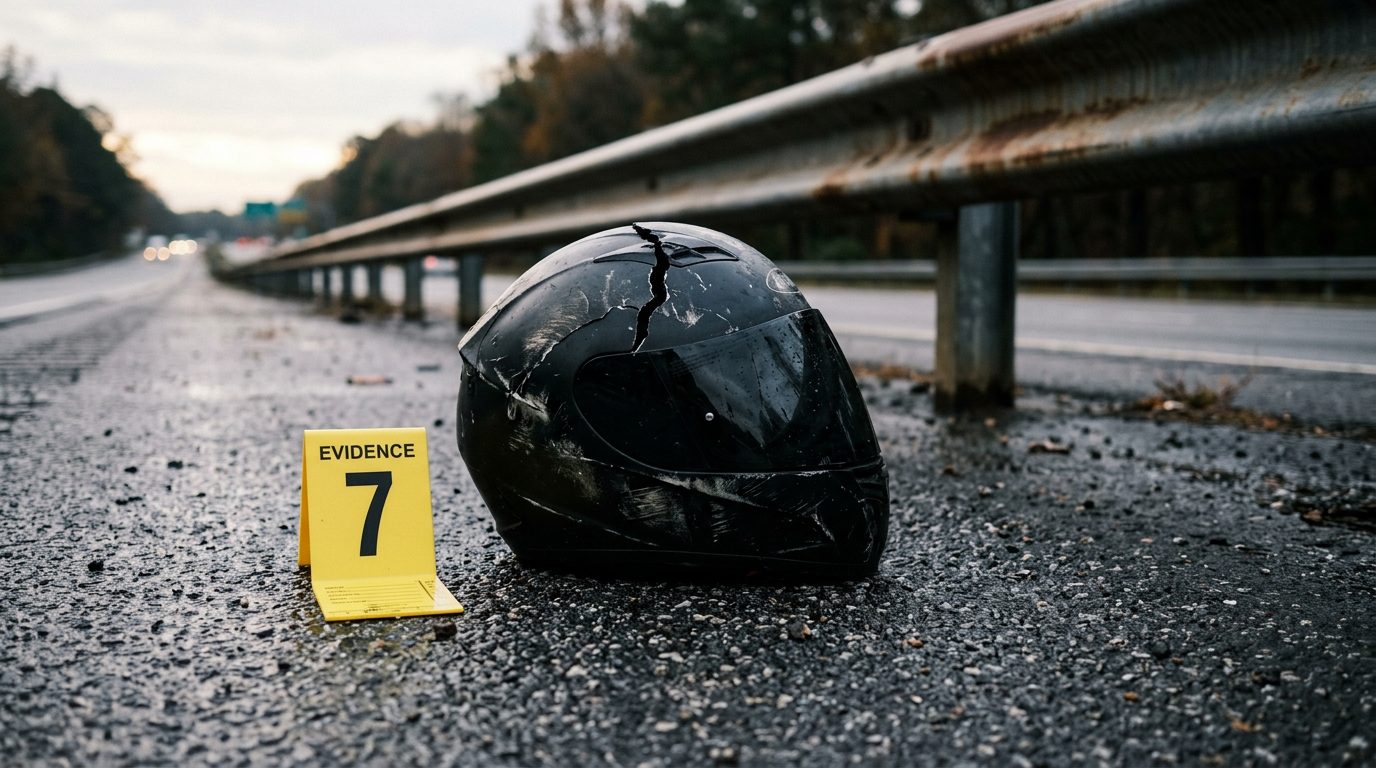
- Evidence. Crash reports, photos, vehicle data, surveillance video, and witness details can be lost or overwritten. Some need to be requested quickly.
- Medical documentation. Records from the treating medical doctor and the follow-up plan show the injury over time. Brain injury recovery can take a long time.
- Negotiation. The claim goes to the responsible parties and their insurers. Settlement talks can resolve a claim, but nothing is promised.
- Lawsuit, if needed. If a fair resolution is not reached, the case may be filed in court.
Georgia generally requires injury claims to be brought within two years after the right of action accrues (O.C.G.A. § 9-3-33-2023-pdf.pdf)-2023-pdf.pdf)-2023-pdf.pdf)-2023-pdf.pdf)). Loss of consortium claims have four years under the same statute. Early review helps protect the time you have.
Why Families Work With Ugwonali Law Group
Ugwonali Law Group handles catastrophic brain injury matters from its Atlanta office. Adanna Ugwonali is the responsible lawyer for this page. Our attorneys and our team handle:
- truck accidents, car accidents, and wrongful death
- traumatic brain injury, spinal cord injury, and catastrophic injury
- premises liability and slip and fall
Our office is at 3400 Peachtree Road NE, Atlanta, Georgia. We represent clients in Fulton, Clayton, Cobb, and Rockdale counties, in Marietta, Jonesboro, and Conyers, and across Georgia.
Intake is available in English or Spanish. Family members can describe the injury in the language they use most comfortably. Our support staff help coordinate records, appointments, and communication, so the family does not have to track every step alone.
Not sure what your next step is?
Talk it through with our team — the first consultation is free, confidential, and carries no obligation.
Questions Families Ask Before Calling
Do I have to decide right away?
You do not have to decide right away. You can ask questions first.
What if symptoms showed up days after the crash?
Symptoms can appear days later. Get a medical evaluation and tell the doctor about the crash or fall.
What if the injured person cannot remember the crash?
Medical records, crash reports, and other evidence can help piece together what happened.
What is an injury attorney?
An injury attorney represents people hurt by another party’s negligence. A catastrophic brain injury lawyer in Atlanta handles these cases through negotiation and, when needed, in court.
Can a family pursue a claim after a brain injury death?
A surviving spouse may bring a wrongful death claim. If there is no surviving spouse, children may bring it (O.C.G.A. § 51-4-2-pdf.pdf)-pdf.pdf)-pdf.pdf)-pdf.pdf)).
Can future care be part of a claim?
Yes, when medical records support it. Future amounts can be reduced to present value.
If a crash or fall has left someone you love with a brain injury, you do not have to sort out the next steps alone. Request a free case review with our team at 3400 Peachtree Road NE, Atlanta, in English or Spanish.
How We Work With Brain Injury Clients
Plain-language explanations
Brain injuries can be hard to understand. We explain medical terms, imaging results, and treatment options so you know what is happening at each step.
Focus on the whole person
We recognize that memory, mood, work, and family life can all be affected. We take time to learn how the injury has changed your daily life.
English or Spanish
Our intake team speaks with you in English or Spanish, so you can ask questions in the language you prefer.
Free and confidential first consultation
Your first consultation is free, confidential, and comes with no obligation to continue.
Symptoms Can Appear Later
Some brain injuries, including concussions, do not show their full effects right away. Headaches, confusion, dizziness, memory problems, or changes in mood can develop days or weeks after a crash or fall. Get a medical evaluation as soon as possible and tell the doctor how the injury happened.
Questions Families Often Ask Us
Do I have to decide right away?
No. You can ask questions and learn about the process before you choose whether to move forward.
What if the injured person cannot remember the crash?
Memory loss is common with brain injuries. Medical records, witness accounts, and other evidence can help piece together what happened, and we can review them with you.
Can a family pursue a case after a death?
Families who have lost a loved one in a crash, fall, or unsafe-property incident may have questions about wrongful death claims. Our team can explain the process during your free consultation.
What does the first call involve?
You tell us what happened and how you have been affected. Our intake team will answer your questions and explain what comes next, with no obligation to continue.