

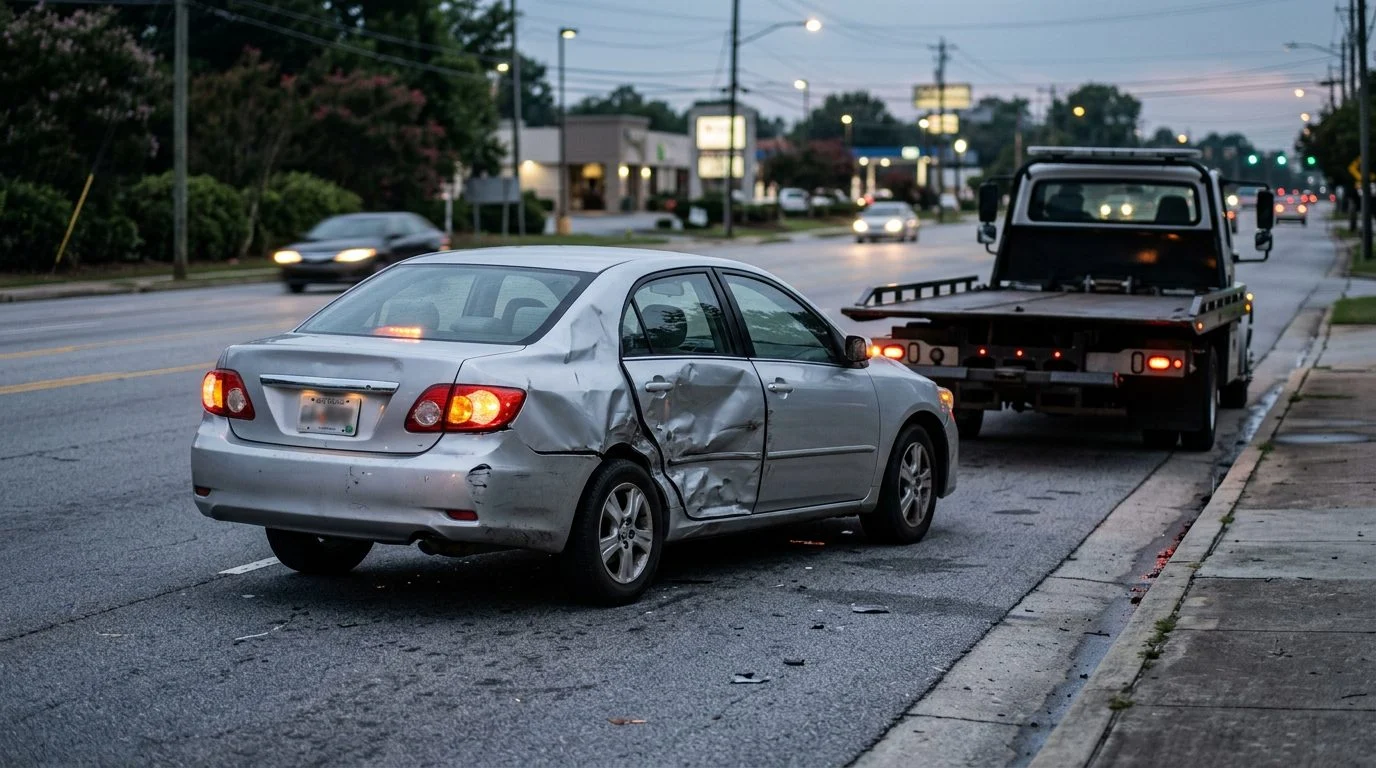
Head Injury & Car Accidents | Atlanta, Georgia
Dizziness After a Head Injury in a Car Accident? Get Medical Care First.
Ugwonali Law Group, led by attorney Adanna Ugwonali, helps people hurt in serious crashes across metro Atlanta and Georgia understand the medical and legal process. Your first consultation is free, confidential, and comes with no obligation to continue.
How we can help
Free
Case reviews and first consultations
EN / ES
Intake in English or Spanish
Atlanta
3400 Peachtree Road NE
By Adanna Ugwonali · Published November 4, 2026
Searching for dizziness after head injury car accident Georgia? Dizziness after a head or neck injury in a crash needs a medical evaluation, and some warning signs need emergency care right away. Dizziness can come from a concussion, an inner ear problem, or a neck injury. This guide explains what it can mean, when to get help fast, and why a clear medical record matters if you later bring a claim. Ugwonali Law Group represents people hurt in crashes across metro Atlanta and throughout Georgia.
Why Dizziness and Balance Problems Follow a Head or Neck Injury
Dizziness and balance problems follow head and neck injuries because a sudden jolt can disrupt the systems that keep you steady. Your brain combines signals from your inner ear, your eyes, and sensors in your muscles and joints. These signals tell you where you are and how you are moving. A crash can throw your head or neck forward, backward, or sideways, and those signals can fall out of sync.
Three words describe different problems:
- Dizziness means feeling lightheaded, woozy, or off balance.
- Vertigo means feeling that the room or your own body is spinning.
- Imbalance means trouble walking or standing steady.
Naming the right symptom helps. “The room spins when I roll over in bed” gives a doctor different clues than “I feel faint when I stand up.” Describe what you feel in your own words, and be specific.
If dizziness or unsteadiness after your crash is getting in the way of work, driving, or home life, our team can talk through what it may mean for your claim. Talk it through with our team — the first consultation is free, confidential, and carries no obligation.

Warning Signs That Need Emergency Care Right Away
Call 911 or go to an emergency department now if dizziness comes with any of these signs. Do not wait to see whether they pass.
- A severe or worsening headache
- Repeated vomiting
- Confusion, or drowsiness that is hard to wake someone from
- Slurred speech
- Weakness or numbness in an arm, leg, or face
- A seizure
- Pupils of different sizes
- Loss of consciousness, even briefly
- Trouble walking or keeping your balance
If someone is with you, ask them to watch for these signs too. Some people feel fine at the scene and notice symptoms later. A family member may spot changes you cannot see in yourself.
Is Dizziness Normal After a Car Crash, and When Do Symptoms Start?
Dizziness is a common complaint after a crash, but it still needs a medical evaluation. Don’t assume it will fade on its own.
Other symptoms people often describe after a head injury include headache, nausea, balance problems, tiredness, sensitivity to light or noise, trouble concentrating, memory trouble, and mood changes. Doctors often group these under the name concussion, though the diagnosis is the doctor’s call.
Timing varies. Some symptoms show up right away. Others appear hours or days later. That is why dizziness after head injury car accident Georgia cases should not be judged by a clock. No fixed window proves or rules out an injury. The safest step is a prompt visit to a medical doctor, followed by that doctor’s advice.
Inner Ear Problems and Neck Injuries That Cause Balance Trouble
Inner ear problems and neck injuries are two common reasons balance trouble lasts after a crash. Post-traumatic vertigo is vertigo that follows a blow or jolt to the head. Benign paroxysmal positional vertigo (BPPV) causes brief spells of spinning. Those spells are usually set off by specific head movements, such as rolling over in bed, bending down, or looking up.
A rear-end or side-impact crash can also strain the neck. Neck injuries can add dizziness, unsteadiness, and headaches. For that reason, a doctor may check both the head and the neck.
At an evaluation, a doctor may check how your eyes move, how you balance, and how you coordinate your movements. Depending on what the doctor finds, you may be referred to other doctors for more testing or treatment. Tell your doctor exactly which movements make your symptoms worse.
Why the Medical Record of Dizziness Matters
A clear, consistent medical record helps your doctor treat you. It also helps show how your symptoms connect to the crash. Write down your symptoms between visits so you can report them accurately.
A useful record includes:
- When the dizziness started
- How often it happens and how long it lasts
- What brings it on, such as standing up or turning your head
- How it changes over time, better or worse
Tell your doctor everything, including small changes. Keep follow-up visits when they are recommended. Gaps in treatment or changing descriptions can make symptoms harder to explain later.
Georgia law also affects how medical bills are proven. O.C.G.A. § 51-12-1.1 limits special damages for medical and healthcare expenses to the reasonable value of medically necessary care, treatment, or services. Both sides can challenge the reasonableness of medical expenses and the medical necessity of treatment. Georgia generally requires actions for injuries to the person to be brought within two years after the right of action accrues, under O.C.G.A. § 9-3-33; injuries to the reputation must be brought within one year, and loss-of-consortium actions within four years.

How Dizziness Affects Daily Life and What Comes Next
Dizziness can change ordinary tasks like driving, working, climbing stairs, and caring for children. It also raises the risk of a fall. Many people cut back on activities without noticing how much their routine has shifted. Keep a simple note of tasks you avoid because of dizziness. That note helps your doctor and anyone helping you plan next steps.
Next steps may include medical follow-up and, if the crash caused your injuries, a claim. For background, read traumatic brain injury after a crash and car accident injuries in Georgia.
If dizziness or unsteadiness is still affecting your life, contact Ugwonali Law Group through our contact page. Your first consultation is free, confidential, and comes with no obligation to continue, and we will explain the claim process in plain language.
Frequently Asked Questions
What should I do about dizziness after head injury car accident Georgia?
See a medical doctor promptly. Go to an emergency department right away if any serious warning sign appears.
Can dizziness start days after a crash?
Yes, some symptoms appear hours or days later. A late start does not by itself rule out a link to the crash.
Does Georgia reduce my claim if I was partly at fault?
Yes. Under O.C.G.A. § 51-12-33, damages are reduced by your percentage of fault, and a person 50 percent or more at fault recovers nothing.
Georgia generally requires injury claims to be brought within two years after the right of action accrues, under O.C.G.A. § 9-3-33.
Disclaimer: Ugwonali Law Group, 3400 Peachtree Road NE, Atlanta, Georgia. Responsible lawyer: Adanna Ugwonali. This page is general information, not legal or medical advice. Contact us through our contact page.
What to expect when you contact our firm
A free first call
Tell our intake team what happened in the crash and what symptoms you have noticed. Your first consultation is confidential and carries no obligation to continue.
Help in English or Spanish
Our intake staff can speak with you in English or Spanish, so you can describe your injuries and questions in the language you are most comfortable using.
Plain-language explanations
We walk you through the legal and medical steps in clear terms, so you understand what is happening with your claim and your recovery.
Focused on serious injuries
Our attorneys focus on crashes that cause real harm, including head and brain injuries, spinal injuries, fractures, and wrongful death, across Atlanta and Georgia.
Do not wait to get checked
Dizziness after a head injury can signal a serious problem, and some symptoms appear hours or days after a crash. Call 911 or go to the nearest emergency department right away if you have severe headache, repeated vomiting, confusion, slurred speech, weakness or numbness, fainting, a seizure, or one pupil larger than the other.
Steps that support your health and your claim
See a medical doctor
Get evaluated promptly and follow the treatment plan your doctor recommends, including any referrals for balance, vision, or neurological care.
Describe every symptom
Tell your doctor when dizziness started, how often it happens, and what makes it better or worse, even if the symptoms seem minor.
Keep a symptom journal
Write down dizziness episodes, headaches, sleep changes, and daily limits. These notes can help your doctors and your legal team understand your condition.
Save crash records
Keep the police report, photos, medical bills, pharmacy receipts, and time missed from work in one place so they are easy to share with us.
Talk with our intake team about your crash and your symptoms. Your first consultation is free and confidential.
Related practice areas
- Mood Changes After Brain Injury Car Accident Georgia