


Head Injuries | Atlanta and Georgia
Hit in the Head? Here Is What to Do Next
A head injury can be serious even when you feel fine at first. Get medical care right away, keep track of what happens, and talk with our team about your options at no cost.
By Adanna Ugwonali · Published October 29, 2026
If you’re asking what to do after getting hit in the head, start with a medical check the same day, even if you feel fine. Get emergency care right away if warning signs appear. This guide covers those signs, what to do at home, what to track, and what records to keep if someone else’s conduct caused the injury. It is general education about the process, not medical advice for any one person.
Why a Hit to the Head Deserves Prompt Attention
A hit to the head can injure the brain even when the scalp looks fine. This page covers serious head injuries that require real medical treatment, such as hospital care and ongoing treatment by a medical doctor.
Virginia’s emergency medical services guidance defines a concussion as a trauma-induced alteration in mental status. It also explains that acceleration and deceleration can stretch nerve fibers, a pattern called diffuse axonal injury.
Symptoms do not always appear right away. Some people feel fine for hours before problems start. Others notice trouble days later.
The first steps are the same whether the blow came from a car crash, a truck crash, or a fall. Georgia’s Department of Public Health reports that falls are a leading cause of traumatic brain injury in Georgia. That makes falls on unsafe property a real concern across the state.
This guide covers medical safety first. Then it covers records and next steps if someone else’s conduct caused the injury.
If a crash or fall left you or someone you love with a head injury, our team offers a free case review to talk through your options. Talk it through with our team — the first consultation is free, confidential, and carries no obligation.

Call 911 or Go to the Emergency Room If Warning Signs Appear
Call 911 or go to the nearest emergency room right away if a person shows any serious warning sign after a head injury. Do not wait to see if symptoms pass.
Warning signs include:
- Passing out, or trouble staying awake
- A seizure or convulsion
- Repeated vomiting
- A headache that keeps getting worse
- Confusion or unusual behavior that grows
- Slurred speech, weakness, or numbness
- One pupil larger than the other
- Trouble waking up
Do not leave a person with these signs alone, and do not let them drive. Neck pain, tingling, or trouble moving the neck also needs prompt medical attention, because a neck injury can happen along with a head injury.
A headache that lasts or worsens after an accident can point to a more serious condition. A study of headaches after motor vehicle collisions states that persistent or worsening headaches may need evaluation.
See a Medical Doctor the Same Day, Even If You Feel Fine
A medical doctor should check any head injury the same day, even when symptoms seem mild. The visit lets a doctor check brain function and look for bleeding or a fracture. Imaging is used when the doctor decides it is needed.
Tell the provider exactly what happened. Say where the head was hit, whether you blacked out, whether you vomited, and every symptom, even small ones. Clear details make the medical record more useful later.
Ask for written discharge instructions and any follow-up plan. Keep copies. Follow the treating doctor’s recovery instructions closely, and attend every follow-up visit.
Keep every medical bill and test result too. These records show the care that was needed and the care that was given. They also form the base of any later claim, because a claim depends on documented injury and treatment.
Home Care in the First Day or Two
At home, the main jobs are rest, close watching, and following the doctor’s instructions. Rest is not the same as ignoring danger signs.
Rest the body and the brain. Limit screens, reading, loud rooms, and hard physical activity while symptoms last.
A cold pack on the bump can help. Wrap it in a cloth and use it for short periods.
Avoid alcohol. Do not take sleep aids or sedating medicine unless a doctor has approved it.
Ask the treating doctor which pain relievers are appropriate. Some common medicines are not advised after a head injury, so do not guess.
Have someone check on the person periodically, especially overnight. Follow the medical instructions on how and when to wake the person.
If the person becomes harder to wake, more confused, or sicker, get emergency care right away. More rest is not the answer in that case.
Hit on the Top of the Head: What to Watch For
A hard blow to the top of the head can cause a concussion even when nothing looks broken. The impact point can look minor while the brain is still hurt.
A visible bump shows where the blow landed. It does not show how much the brain was hurt. A small bump can come with a serious brain injury, and a large bump can come with a mild one.
Dizziness, drowsiness, nausea, or a change in behavior call for a same-day medical visit. Confusion, a worsening headache, or a gap in memory about the hit call for emergency care right away.
Check the neck as well. Strain or pain in the neck after a top-of-head impact should be reported to the treating doctor.
Symptoms of a Minor Head Injury and When They Appear
Common concussion symptoms include headache, dizziness, nausea, sensitivity to light or noise, trouble concentrating, memory problems, irritability, sleep changes, and feeling foggy. Any of these after a head injury deserves a medical review.
Some symptoms appear within hours. Others show up days later. That delay is why tracking symptoms matters.
Headaches are a good example. A study on post-traumatic headache reports that acceleration and deceleration injuries can cause post-traumatic headaches, and that these can appear after a crash.
Keep a simple daily symptom log. Write the date, the time, each symptom, and how severe it feels on a scale from 0 to 10. Bring the log to every doctor visit.
Do not write off symptoms as minor. Any symptom that lingers or changes deserves a doctor’s attention.
Not sure what your next step is?
Talk it through with our team — the first consultation is free, confidential, and carries no obligation.
Can You Hit Your Head Again After a Concussion?
A second blow during recovery is a serious concern, so avoid it until a doctor says otherwise. Doctors take repeat injuries seriously while the brain is still healing.
Avoid contact sports, climbing, ladders, and any activity with a risk of falls or collisions until a doctor clears you. Driving and work are also decisions for the treating doctor.
When a doctor does clear activity, the return is often gradual. Increase activity in steps, and watch symptoms at each step. If symptoms come back, stop and report them to the doctor.
Ask the treating doctor when it is safe to return to sports, work, or driving. Get that answer in writing when you can.
How Long Does Healing Take?
Healing time varies from person to person, and no article can say how long a specific recovery will take. The timeline depends on the facts of the injury and the person’s health history.
Many people with a mild concussion improve over time. Others take longer. Some people keep having symptoms for a long period.
Report any symptom that persists rather than waiting it out. A lasting symptom is a reason for a medical visit, not a sign to push through.
Recovery timelines come from the treating medical doctor. Follow that plan, keep your appointments, and keep your symptom log current. A serious brain injury may need longer care and rehabilitation, and that is a decision for the treating team.
If Someone Else’s Conduct Caused the Injury: Records and Deadlines
If another person’s careless conduct caused your head injury, start keeping records now and learn the filing deadline. Head injuries often come from car and truck crashes and from falls on unsafe property.
Georgia’s injury deadline appears in O.C.G.A. § 9-3-33. It says actions for injuries to the person must be brought within two years after the right of action accrues, except as otherwise provided in the article. Exceptions depend on the facts.
Georgia also reduces awards for shared fault. Under O.C.G.A. § 51-12-33, the judge reduces damages in proportion to the injured person’s percentage of fault. A plaintiff who is 50 percent or more responsible for the injury is not entitled to any damages.
Medical expense damages have limits too. Under O.C.G.A. § 51-12-1.1, those damages are limited to the reasonable value of medically necessary care, treatment, or services.
Keep these records:
- Photos of the scene and your injuries
- Names and contact details of witnesses
- Any police or incident report number
- Medical bills and discharge papers
- A record of missed work
Be careful about giving a recorded statement to an insurance company before you understand what happened and how your injuries are progressing.
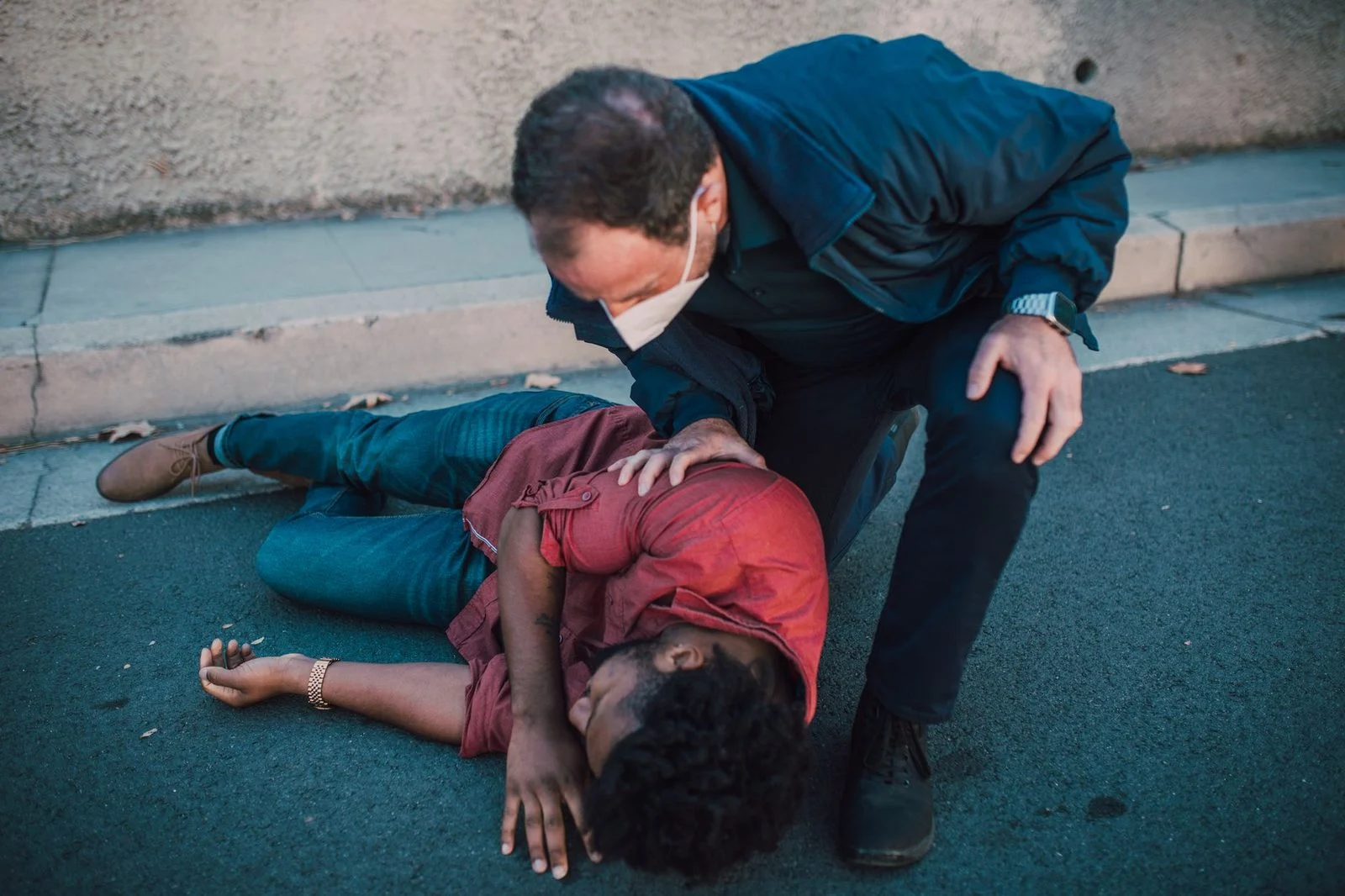
Talk With Ugwonali Law Group About Your Situation
Ugwonali Law Group offers a free case review for people hurt in a head injury from a crash or fall in Georgia. A head injury often brings fear about symptoms, a stack of medical appointments, time away from work, and questions about bills. You may be reading this for a family member who cannot manage those tasks alone.
Frequently Asked Questions
Should I see a doctor after hitting my head if I feel fine?
Yes. A medical doctor should check any head injury the same day, even when symptoms seem mild.
Can head injury symptoms show up days later?
Yes. Some symptoms appear within hours, while others show up days later.
How long do you have to file an injury lawsuit in Georgia?
Georgia generally requires actions for injuries to the person to be brought within two years after the right of action accrues, and exceptions depend on the facts (O.C.G.A. § 9-3-33).
Ugwonali Law Group is led by attorney Adanna Ugwonali and is located at 3400 Peachtree Road NE, Atlanta. Intake is available in English or Spanish. The first consultation is free, confidential, and comes with no obligation to continue.
If a crash or fall left you or someone you love with a head injury, you do not have to sort out the medical and legal steps alone. Request a free case review with our team.
Five Steps to Take After a Head Injury
1. See a Medical Doctor the Same Day
Even if you feel okay, a doctor should check any blow to the head. Some brain injuries are not obvious right away.
2. Describe Every Symptom
Tell your doctor about headaches, dizziness, confusion, nausea, vision changes, memory trouble, or mood changes, even if they seem minor.
3. Follow Your Treatment Plan
Keep scheduled appointments, take prescribed medication as directed, and ask questions when you do not understand your care.
4. Keep Records
Save medical bills, discharge papers, prescriptions, photos of injuries, and notes about how the injury affects work and daily life.
5. Talk With a Lawyer Early
Our team can explain the legal and medical process in plain language and review what happened, with no cost to you for the first review.
Do Not Wait for Symptoms to Appear
Some head injury symptoms appear within hours, while others show up days later. Seeing a medical doctor promptly protects your health and creates an accurate medical record of what you experienced.
How Our Firm Can Help
Focus on Serious Injuries
Ugwonali Law Group handles serious injury matters, including traumatic brain injuries, spinal cord injuries, truck and car crashes, premises liability, and wrongful death.
English or Spanish
Our intake team speaks with you in English or Spanish, so you can explain what happened in the language you are most comfortable using.
Plain-Language Guidance
We take time to explain the medical and legal steps ahead so you can make informed decisions about your case.
Free, Confidential Consultation
Your first consultation is free, confidential, and comes with no obligation to continue.
Serving Metro Atlanta and Georgia
We represent people in Atlanta, Fulton, Clayton, Cobb, and Rockdale counties, and across Georgia, from our office at 3400 Peachtree Road NE, Atlanta.