

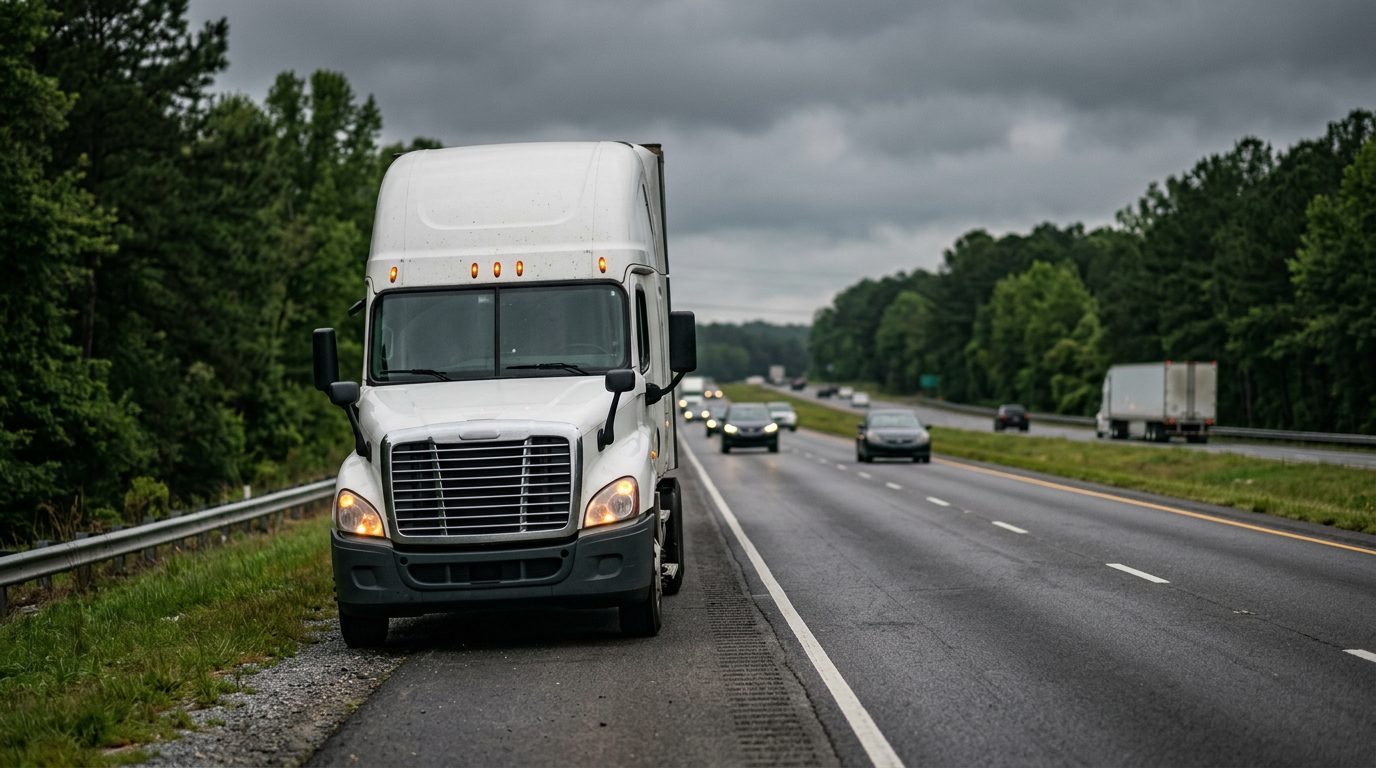
Clayton County, GA | Truck Accidents
Hurt in a Truck Crash in Clayton County? Start With a Clear Picture of Your Options.
Ugwonali Law Group represents people seriously injured in truck and car crashes across Clayton County, Jonesboro, and metro Atlanta. We explain the legal and medical process in plain language, so you can decide what comes next with confidence.
How We Work With You
Free
First consultation, confidential and without obligation
EN / ES
Intake in English or Spanish
Buckhead
3400 Peachtree Road NE, Atlanta
By Adanna Ugwonali · Published October 14, 2026
Truck crashes in Clayton County often cause more serious injuries than car crashes. A loaded tractor-trailer weighs far more than a passenger car, so the forces and stopping distances are very different. This guide explains why these cases differ, which rules often matter in Georgia, and what steps protect an injured person’s options. It is general information, not legal advice, and it doesn’t predict how any claim will turn out.
Why Truck Crashes in Clayton County Often Cause Serious Injuries
Truck crashes often cause serious harm because of weight, speed, and cargo. A loaded tractor-trailer needs much more distance to stop than a car. When it hits a smaller vehicle, the people inside often bear the brunt of the impact.
Heavy freight moves through Clayton County every day. Interstate 75 and Interstate 675 carry regional and long-haul traffic. Delivery routes also reach local streets in Jonesboro and across the county. Each route puts trucks near cars, pedestrians, and stopped traffic.
Cargo can raise the stakes. Some trucks haul fuel, chemicals, or building materials. A crash involving that cargo can cause fires, spills, or road closures.
This guide doesn’t say who caused any crash. Fault depends on the facts of each case.
If a truck crash in Clayton County left you or someone you love seriously hurt, you may have a claim worth reviewing, and our team can talk it through with you. Talk it through with our team — the first consultation is free, confidential, and carries no obligation.

Common Truck Crash Patterns on Clayton County Roads
Several crash patterns come up often with large trucks. Knowing them helps you describe what happened to the police and your medical providers.
Jackknifes and rollovers happen when a trailer swings out of line or a load shifts. An overturned tanker can block several lanes and cause secondary crashes.
Rear-end collisions are common in heavy traffic. A truck that doesn’t slow in time can strike stopped or slowing vehicles, often at highway speed.
Lane-change and blind-spot crashes happen when a truck moves into a lane where a smaller vehicle is riding. Underride crashes are among the most dangerous. A passenger car can slide beneath a trailer. The Insurance Institute for Highway Safety publishes large truck fatality facts that describe why occupants of passenger vehicles face greater risk in these crashes.
Who Can Be Responsible When a Truck Causes a Crash
More than one party can be responsible after a truck crash. The driver is only one possibility.
Responsibility may reach the motor carrier that employs or contracts with the driver. It may also reach the truck’s owner, a maintenance company, or a business that loaded the cargo. The facts decide which of these matter.
Many commercial carriers carry liability insurance. That coverage can become part of how an injury claim is resolved. Insurers are often not the first name an injured person sees.
Georgia’s motor carrier insurance rules limit when an insurer can be joined in a lawsuit. Under O.C.G.A. § 40-1-112-2024-pdf.pdf)-2024-pdf.pdf), joinder is allowed in limited situations. Examples include when a carrier is insolvent or bankrupt, or can’t be served after reasonable diligence.
Federal Trucking Rules and Georgia Fault Rules That Often Matter
Federal driving-time limits and Georgia’s fault rule both shape truck cases. They affect what the records show and how fault is decided.
Federal rules limit how long a truck driver may drive. A driver must take 10 consecutive hours off duty first. The driver may not drive after 14 consecutive hours from that break, and may drive 11 hours in total within that window. Under the federal driving-time rule, driving isn’t permitted after more than 8 hours without a 30-minute break, with limited exceptions.
Electronic logging devices, or ELDs, record data such as date, time, location, engine hours, and miles. Those records help show whether hours rules were followed. The federal ELD data rules list each element. False duty reports are also prohibited under federal recordkeeping rules.
Georgia’s fault rule matters too. Under O.C.G.A. § 51-12-33-pdf.pdf)-pdf.pdf), a judge reduces damages in proportion to the injured person’s share of fault. A plaintiff who is 50 percent or more responsible may not receive any damages.
Evidence That Can Disappear Quickly After a Truck Crash
The most useful truck crash evidence is often electronic and kept by the trucking company. Some of it can be lost if no one asks for it early.
Important records include ELD data, engine control module data, dispatch and fuel records, the driver qualification file, inspection and maintenance records, and dashcam video. Together, they can show where the truck was, how long it had been driving, and how it was maintained.
Carriers must keep records for set minimum periods. After those periods pass, records may be destroyed at the company’s discretion, under federal record retention rules. That’s why early steps matter.
The crash report is a useful starting point, and you can ask the investigating agency for a copy. It isn’t the full record, though. It may miss facts that appear only in company files.
You can help now. Photograph the scene, the vehicles, visible injuries, and road conditions. Write down witness names and phone numbers while they’re fresh.
Serious Injuries Common in Truck Crashes and Why Medical Records Matter
Truck crashes often cause fractures, internal injuries, brain injuries, and spinal injuries. Some symptoms may not appear right away.
A large-vehicle impact can break bones and damage organs. It can also cause a traumatic brain injury. Report any new symptoms to your doctor, even if they seem minor or appear days later.
The spinal cord has three layers of protective tissue, and fluid cushions it. Injuries between the C1 and C4 segments can affect breathing, because those nerves control the diaphragm, according to the NINDS spinal cord injury overview. You can read more on our spinal cord injury page.
Prompt evaluation by a medical doctor matters. So do follow-up visits and a clear record of symptoms and treatment. Follow the plan your treating doctor recommends. Medical decisions belong to you and your doctor.
Not sure what your next step is?
Talk it through with our team — the first consultation is free, confidential, and carries no obligation.
When a Truck Crash Leads to a Wrongful Death Claim in Georgia
When a truck crash takes a life, Georgia law decides who may bring the claim. The wrongful death statute is O.C.G.A. § 51-4-2-pdf.pdf)-pdf.pdf).
Under O.C.G.A. § 51-4-2, the surviving spouse holds the right to bring a wrongful death claim for the death of a spouse, and if there is no surviving spouse, the decedent’s child or children hold that right. Who files the claim is a separate question from who shares in any recovery. If there is no surviving spouse, a child or children may recover. The law allows recovery of the full value of the decedent’s life, as shown by the evidence. When a spouse survives, that spouse receives no less than one-third of the recovery.
Families also face bills and lost income after a death. How the law applies depends on the facts of each case.
The general filing period for personal injury claims is two years under O.C.G.A. § 51-4-2-2023-pdf.pdf)-2023-pdf.pdf). Georgia’s two-year filing period under O.C.G.A. § 51-4-2 generally applies to wrongful death claims, counted from the date of death, so confirming your family’s deadline early matters.
Grief comes first for most families. Take the legal steps when you’re ready, and focus on what you need now.
What Injured People Often Ask About the Claim Process
Georgia uses a modified comparative fault rule. Under O.C.G.A. § 51-12-33-pdf.pdf)-pdf.pdf), damages are reduced by the injured person’s share of fault. A plaintiff who is 50 percent or more responsible may not receive any damages.
When more than one person is at fault, the trier of fact assigns each a percentage. Each liable person owes only its own apportioned share. It isn’t a joint amount.
Fault is decided from the facts. Those include the crash report, witness statements, physical evidence, and records. Be careful with recorded statements to an insurance company. Early words can be repeated or read in ways you didn’t intend. Disputed fault usually needs a close look at the records.
First Steps to Take After a Truck Crash in Clayton County
The first steps after a truck crash are medical care, a police report, and careful records. Taking them early protects your health and your options.
Get medical care and mention every symptom. Report the crash to law enforcement. Keep bills, receipts, and insurance letters in one place. Note missed work and lost pay.
Keep a simple daily journal of pain, sleep, daily limits, and appointments. These details show how the injury changes daily life. Filing deadlines are set by statute and can be short, so waiting can limit your options.
Spanish-speaking readers can get help in Spanish during intake.
Common Questions About Truck Crash Claims
How long do I have to file?
Georgia’s general filing period for personal injury claims is two years under O.C.G.A. § 9-3-33. Other deadlines can apply, so check yours early.
Georgia reduces damages by your share of fault, and a plaintiff who is 50 percent or more responsible may not recover (O.C.G.A. § 51-12-33).
Your facts decide what applies.
Is the first consultation free?
Yes. The first consultation is free, confidential, and carries no obligation to continue.
Can I get help in Spanish?
Yes. Intake staff can help you in English or Spanish.
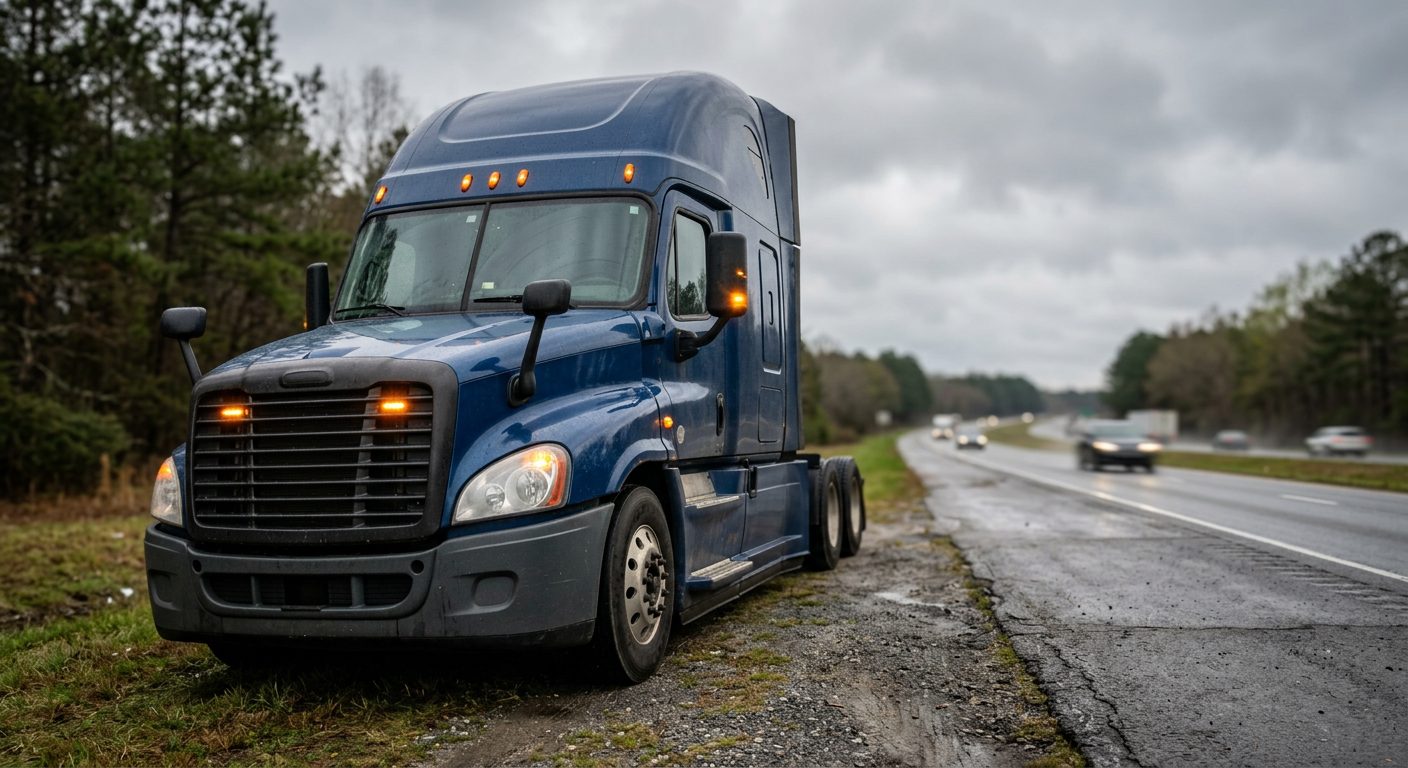
Talk With Ugwonali Law Group About Your Clayton County Truck Crash
If a truck hit you or someone you love on Interstate 75, Interstate 675, or a Clayton County street, you may be facing hospital bills, missed work, and questions you didn’t expect. Ugwonali Law Group offers a free case review. You can request a free case evaluation or chat with the intake team in English or Spanish.
Ugwonali Law Group is located at 3400 Peachtree Road NE, Atlanta, Georgia. Adanna Ugwonali is the responsible attorney. The firm represents people across metro Atlanta and throughout Georgia. Reading this page doesn’t create an attorney-client relationship. This information is general, results depend on the facts of each case, and no outcome is promised.
What to Expect When You Contact Our Office
A Call With Our Intake Team
Tell us what happened in your own words. Our intake staff can speak with you in English or Spanish and answer your first questions.
A Look at Your Records
We review the crash report, medical treatment, and any insurance correspondence you have so you understand where your case stands.
Attention to Your Recovery
We focus on the medical side of your injury as well as the legal side, including hospital care, follow-up treatment, and time away from work.
Plain-Language Guidance
We explain each step of the process so you know what to expect, what your choices are, and what information matters most.
Be Careful With Early Calls From the Trucking Company
Trucking companies and their insurers often contact injured people quickly. Before you give a recorded statement or sign any release, talk with a lawyer about what you are being asked to agree to.
Steps That Can Help After a Serious Truck Crash
Get Medical Care Right Away
Some serious injuries, including head, neck, and back injuries, may not show symptoms until later. A medical doctor's evaluation creates an important record of your condition.
Keep Your Records
Save hospital bills, prescriptions, appointment notes, photos of the scene and your injuries, and records of missed work.
Write Down What You Remember
Note the date, location, weather, and road conditions while your memory is fresh. Include the truck's company name and any details you can see on the vehicle.
Ask for a Free Case Review
Bring your questions to our office. We will review your situation at no cost and explain your options in plain language.