


Brain Injury Guide | Atlanta & Georgia
Seizures After a Car Accident: What Georgia Families Should Know
Some people who were hurt in a crash later notice new seizure activity. Here is how doctors approach it and what to document.
Ugwonali Law Group at a glance
Free
First consultation, confidential and with no obligation to continue
EN / ES
Intake in English or Spanish
Georgia
Serving metro Atlanta and statewide
By Adanna Ugwonali · Published November 10, 2026
Can Car Accidents Cause Seizures?
Can car accidents cause seizures? Yes, car accidents can cause seizures. The most common path is a brain injury from the crash. Seizures can start soon after the impact or appear much later. This guide explains how that happens, who faces higher risk, and which records matter for people in Georgia.
Not sure what your next step is?
Talk it through with our team — the first consultation is free, confidential, and carries no obligation.
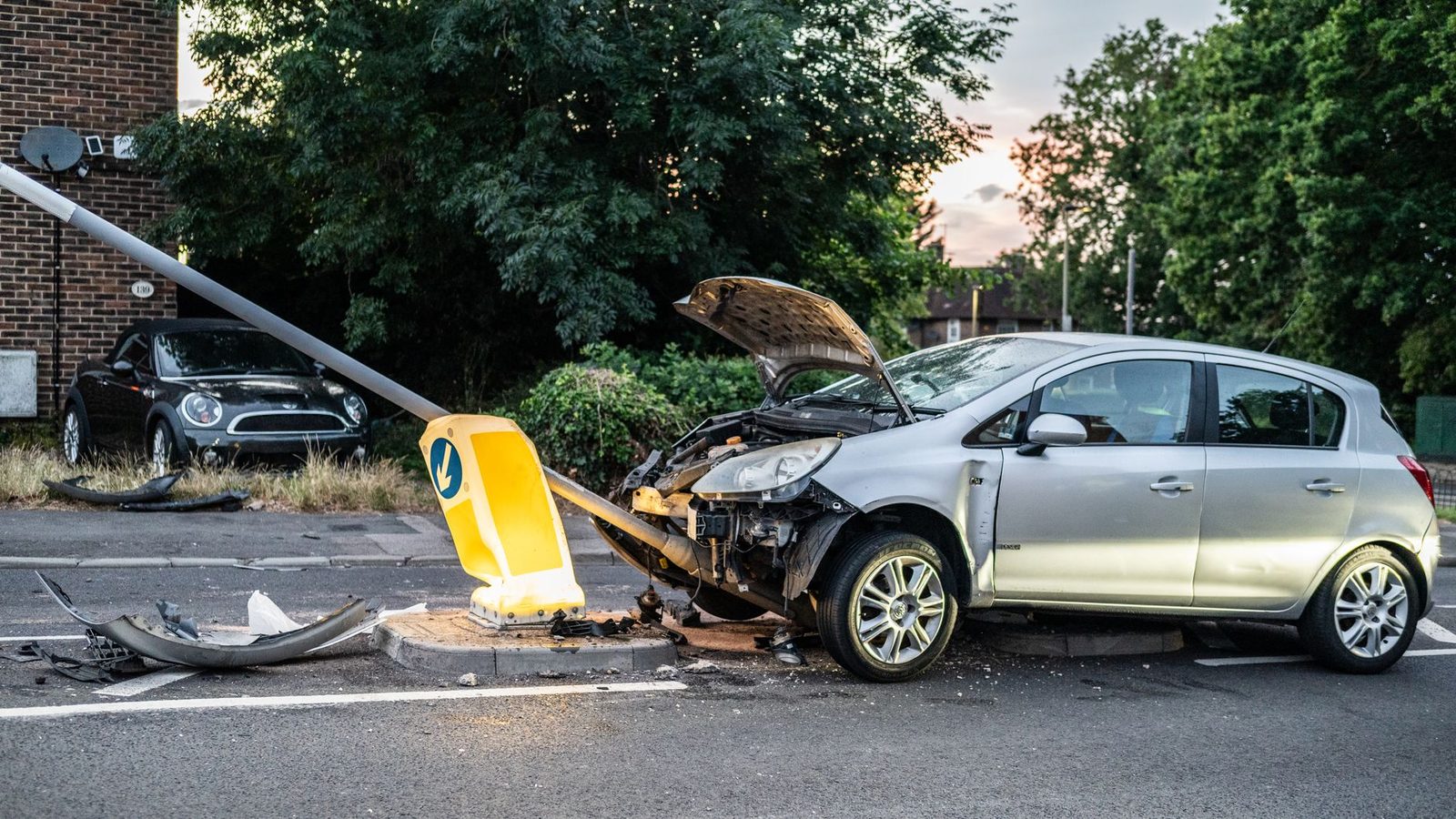
How a Car Accident Can Cause a Seizure
A car crash can trigger a seizure mainly by injuring the brain. In a crash, the head can stop suddenly while the brain keeps moving inside the skull. That motion can bruise brain tissue, tear small blood vessels, or cause bleeding. Impact with a steering wheel, window, dashboard, or airbag can add to the injury. Healthy brain tissue sends orderly electrical signals. When injured tissue fires in a disorganized way, a seizure can follow. Seizures aren’t always the first sign of a brain injury. Early symptoms can be subtle, like confusion, headache, memory gaps, or a blank stare. Someone who is shaken or in pain may miss them. Family members often notice the changes first.
Can Seizures Start Right After a Car Crash or Months Later?
Seizures can begin within the first days after a brain injury. They can also appear weeks, months, or even years later. Early seizures are often linked to the injury itself. Later seizures can point toward post-traumatic epilepsy, a condition where seizures keep returning after a brain injury. Doctors don’t always know the exact cause of one seizure, so they look at the whole timeline. The first emergency visit, early imaging, and later neurology visits help show when symptoms began. A seizure that starts long after a crash can still be medically connected to it. A treating doctor makes that call, using the records and the patient’s history. Keep dated notes about every new symptom so the timeline stays clear.
Who Faces a Higher Risk After a Head or Brain Injury
People with moderate to severe brain injuries generally face a higher seizure risk than people with mild injuries. Other factors include a skull fracture, bleeding inside the brain, and penetrating injuries that break through the skull. A person with a past seizure history may need different medical care after a crash. A neurologist or treating physician weighs these factors for each patient. Hospital teams usually evaluate a suspected brain injury with a neurological exam and imaging such as a CT scan or MRI. They then decide on follow-up testing and care. Patients and families should ask the care team what was found and what follow-up is needed. Clear answers help everyone plan the next steps.
When a Seizure Happens Behind the Wheel
A seizure while driving can cause loss of control and a collision. During a seizure, a driver may lose awareness or be unable to steer or brake. Driving rules for people with seizure disorders vary, so drivers should follow their doctor’s advice. Fatigue and hours-of-service issues can also be examined in truck crashes. Driver medical history, prescriptions, and driving records can become part of the review after a crash.
How Responsibility Is Examined in Seizure-Related Crashes
Responsibility depends on the facts of each crash. A seizure does not automatically establish fault for anyone. Reviewers look at what the driver knew about their condition, what medical clearance existed, and how the crash happened. Georgia uses shared fault. Under O.C.G.A. § 51-12-33, the judge reduces damages in proportion to the injured person’s share of fault. Under the same statute, a plaintiff who is 50 percent or more responsible cannot receive damages. Each liable person pays only their apportioned share, not a joint amount. Fault of other contributors is considered too. Driver medical history, prescriptions, and driving records can become part of the review.
Not sure what your next step is?
Talk it through with our team — the first consultation is free, confidential, and carries no obligation.
What Documentation and Medical Testing Matter
Medical records from the days after a crash are the starting point for any seizure claim. Ask for emergency department notes, CT or MRI results, EEG reports, neurology notes, and medication records. An EEG measures electrical activity in the brain and helps a doctor evaluate seizures. Neuropsychological testing can document memory, attention, and other thinking effects of a brain injury. Keep a dated symptom journal, and follow your treating physician’s recommendations. Georgia law separates damages by proof. Under O.C.G.A. § 51-12-2, general damages are presumed from a tortious act, while special damages must be proved. Medical expenses are limited to the reasonable value of medically necessary care, under O.C.G.A. § 51-12-1.1.
Can you have a seizure weeks after a car accident?
Yes, seizures can start days, weeks, or longer after a brain injury. A treating doctor decides whether a later seizure is medically linked to the crash.
Who can be responsible when a driver has a seizure and causes a crash?
Responsibility turns on the specifics of each crash, including what the driver knew and how the collision happened. A seizure alone does not decide fault.

Talking Through Your Situation
If a seizure followed a crash, you may be handling medical care, insurance calls, and hard questions all at once. The seizure may be your own, or it may belong to someone you love. You may still be trying to understand what happened before deciding on a next step. You don’t have to work through the medical and legal questions alone. Ugwonali Law Group offers a free, confidential first consultation, without obligation to continue. Intake is available in English or Spanish. You can reach us at 3400 Peachtree Road NE, Atlanta, Georgia, or request a free case evaluation.
This page is general information, not medical or legal advice. Adanna Ugwonali is the responsible lawyer for this page at Ugwonali Law Group, 3400 Peachtree Road NE, Atlanta, Georgia.
How our firm approaches these cases
Plain-language guidance
We explain the medical and legal process step by step, so you know what is happening at each stage.
Careful record gathering
Medical records, imaging, and treatment notes are central to understanding a brain injury, and we help organize them.
Start with one call
Our intake staff can speak with you in English or Spanish and answer your first questions without pressure.
Focus on serious injuries
Our firm focuses on crashes involving real medical treatment, including traumatic brain injury, spinal injury, and wrongful death.
Do not wait to get checked
A seizure, a sudden change in awareness, or new confusion after a crash needs prompt medical care, even if you feel you were only shaken up. Tell every doctor about the crash and about any episodes you notice.
Steps that can help after a crash
Get medical care
Seek evaluation right away and follow through with recommended testing and follow-up visits.
Describe every episode
Write down when episodes happen, how long they last, and what you remember, and share these notes with your doctor.
Keep your records
Save discharge papers, prescriptions, bills, and photos or reports from the crash scene.
Ask about your options
Call our office for a free, confidential review of what happened and what questions to bring forward.
Have questions about a crash and a possible seizure? Speak with our team for free.
Related practice areas
- Catastrophic Injury
- Can a Neuropsychological Test Prove a Brain Injury From a Georgia Crash?
- Brain Injury Truck Crash Claim in Georgia: What to Know