

Catastrophic Injury | Atlanta and Georgia
Understanding Catastrophic Injuries and the Claims That Follow
Ugwonali Law Group explains what makes an injury catastrophic, how these cases are commonly caused, and what families often face in the medical and legal process. Our free case review is confidential, with no obligation to continue.
Getting Started With Our Firm
Free
First consultation, confidential and with no obligation
EN / ES
Intake in English or Spanish
Atlanta
3400 Peachtree Road NE, Atlanta, GA
By Adanna Ugwonali · Published October 25, 2026
A catastrophic injury is a severe injury that causes lasting harm and often changes how a person lives, works, and cares for themselves. Doctors, insurers, and courts all use the term, and its meaning can shift with the setting. This guide explains what catastrophic means, how it differs from a serious injury, which injuries and causes are most often involved, and how Georgia injury claims are built. It is general education, not advice about your own case. Ugwonali Law Group represents people hurt in truck and car crashes, in falls on unsafe property, and families in wrongful death cases across metro Atlanta and statewide in Georgia.
What Is a Catastrophic Injury?
A catastrophic injury is one that causes severe, long-lasting harm to the body. It often changes daily life in ways that don’t reverse quickly. The term describes the impact of the injury, not only the crash or fall that caused it. Two people can be in the same collision and face very different recoveries. The injury’s effect on work, family roles, and self-care is a big part of what makes it catastrophic.
Many catastrophic injuries involve the brain, the spine, or the body’s ability to move and feel. Traumatic brain injury and spinal cord injury are two of the most common examples. Both can affect a person for years, and both need careful medical documentation from the start.
If a crash or fall left you or a family member with lasting injuries, our team can talk through what happened and what options may be open to you. Talk it through with our team — the first consultation is free, confidential, and carries no obligation.

What Does Catastrophic Mean in Medical Terms?
In medical care, catastrophic usually points to lasting or permanent damage. A patient may lose function, need a long rehabilitation, or depend on others for everyday tasks. Clinicians look at several things when they judge how serious an injury is. They ask whether the damage is permanent. They look at loss of independence, the need for long-term medical support, and how the injury affects daily life.
The medical record matters a great deal. Treating physicians document the diagnosis, the expected course of recovery (prognosis), and future care needs. That record is often the starting point for describing an injury’s lasting effects. The Model Systems spinal cord injury factsheets are research-based and describe life after spinal cord injury, including long-term care needs.
Early gaps in treatment can make this harder. If an injury is not documented promptly and followed through, it can be harder later to show how it developed and what it will require. Keeping every appointment, test result, and discharge summary helps build a clear timeline.
Catastrophic Injury vs. Serious Injury: What’s the Difference?
A serious injury can be significant and still heal. A catastrophic injury usually involves lasting harm. A broken bone that heals fully with treatment can be serious without being catastrophic. An injury moves toward the catastrophic end when the damage is expected to last and change how a person lives.
Is every serious injury considered catastrophic? Not always. The line generally turns on permanence and long-term needs, and it depends on the facts.
Why does the label matter? It shapes medical planning. It also affects how a claim is evaluated. Lasting harm raises questions about future care and lost earning ability. A claim has to address those questions with real records, not assumptions. Doctors’ notes, imaging, and rehabilitation reports help show where an injury falls.
Common Catastrophic Injuries
Injuries commonly described as catastrophic include brain injuries, spinal cord injuries, amputations, and serious fractures with lasting effects. Each one carries its own pattern of harm.
Brain injuries can change thinking, memory, mood, and behavior. Some of those effects can persist long after the first treatment ends. Spinal cord injuries can cause paralysis, which means loss of movement or feeling below the level of the injury. These effects may be permanent, and they often require ongoing medical care and equipment.
Amputations can follow high-impact crashes and serious structural failures. Fractures that require surgery, hardware, and long recovery can also become catastrophic when they leave lasting limits on movement or work.
Each category has its own medical and legal details. Learn more on the firm’s pages about traumatic brain injury and spinal cord injury in Georgia.
Common Causes of Catastrophic Injuries
Catastrophic injuries often come from high-force events. These include large-vehicle collisions, serious car crashes, and falls caused by unsafe property. Every case is reviewed on its own facts, because the same type of event can cause very different harm.
Truck accidents involve large commercial vehicles, heavy loads, and the force of impact when a truck strikes a passenger vehicle. The size difference between a tractor-trailer and a car can make injuries to the people in the car more severe. The Insurance Information Institute explains Georgia’s financial-responsibility rules for drivers, which matter when damages run high.
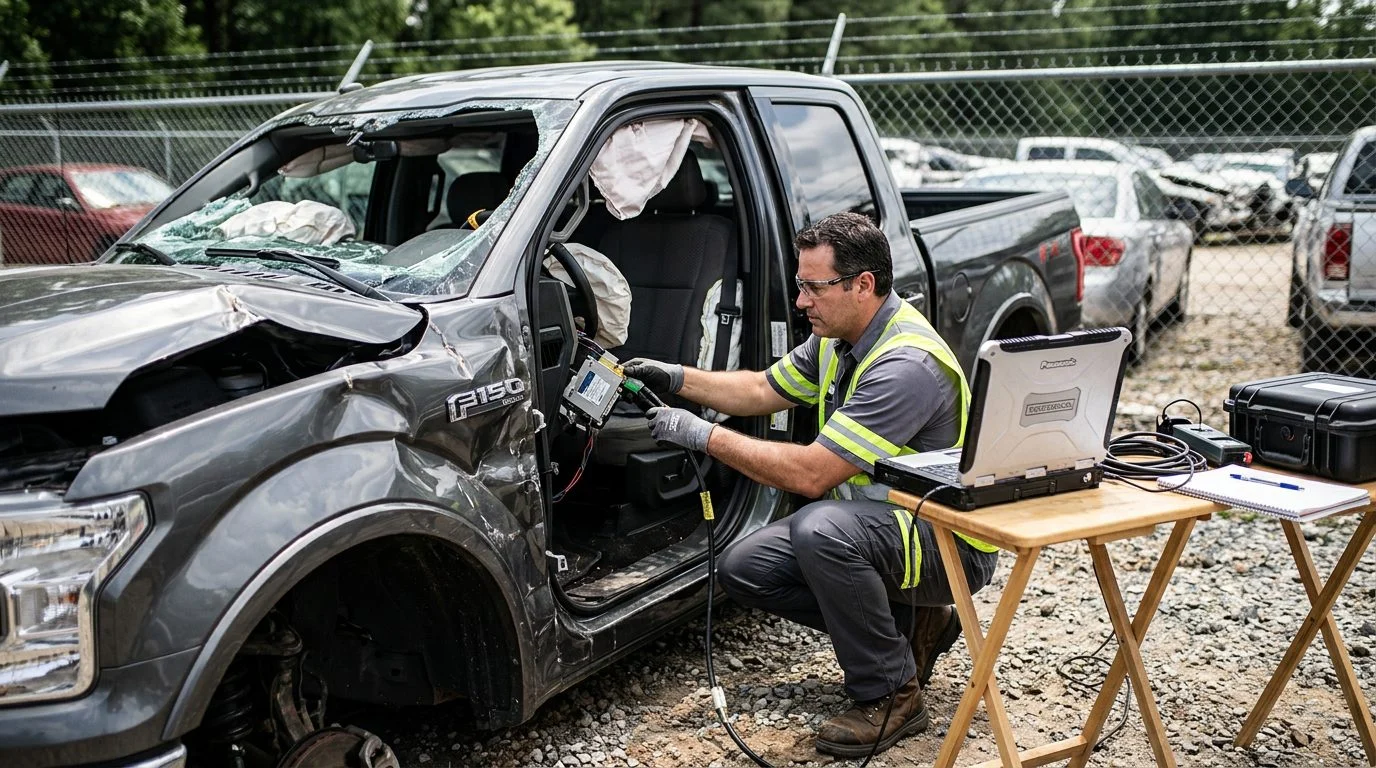
Car accidents at high speed, rollovers, and side impacts can cause head, spine, or limb trauma. Seat belts and airbags do not prevent every serious injury, and the force of a crash can still cause lasting harm.
Premises liability cases involve unsafe property conditions, such as unrepaired hazards, broken stairs, or unmarked changes in floor level. A slip and fall or trip and fall can lead to fractures, head trauma, or spinal damage. A fall from a height on unsafe property can be especially severe.
How Catastrophic Injury Claims Are Built in Georgia
A Georgia injury claim generally must show that another party’s negligence caused the harm and that real damages followed. Under O.C.G.A. § 51-1-2, ordinary negligence is the failure to use the care an ordinarily prudent person would use in similar circumstances. The law also allows recovery for breach of a legal duty when damage results, under § 51-1-6.
Damages come in two main kinds. General damages are presumed to flow from a wrongful act and can be recovered without proof of an amount. Special damages actually flow from the act and must be proved, under § 51-12-2. Medical expenses are limited to the reasonable value of medically necessary care, under § 51-12-1.1. Future economic losses may be reduced to present value, using a 5 percent discount rate or another rate the trier of fact deems appropriate, under § 51-12-13.
Fault matters too. Georgia uses modified comparative fault (shared fault). Under § 51-12-33, damages are reduced in proportion to the injured person’s share of fault. A person who is 50 percent or more responsible for the injury recovers nothing. Each liable person pays only its own apportioned share, and those damages are not joint liability among the persons liable.
Trucking cases can involve more than one company.
Not sure what your next step is?
Talk it through with our team — the first consultation is free, confidential, and carries no obligation.
Catastrophic Injury and Wrongful Death in Georgia
When a catastrophic injury causes death, Georgia law allows certain family members to bring a wrongful death claim. Under O.C.G.A. § 51-4-2, the surviving spouse or, if there is no surviving spouse, a child or children may recover for the homicide of the spouse or parent the full value of the life of the decedent, as shown by the evidence, and any amount recovered is divided equally, share and share alike, among the surviving spouse and the children, with the surviving spouse receiving no less than one-third of the recovery. If there is no surviving spouse, a child or children may recover.
The law’s term for a wrongful death is “homicide.” It is a legal word and does not require a crime. Families often need help understanding the difference between a claim for the loss of a life and a claim for specific bills.
When death results from a crime or from criminal or other negligence, the personal representative may recover funeral, medical, and other necessary expenses. That recovery comes under § 51-4-5.
Families in the early weeks after a death have a lot to handle. Keeping hospital bills, discharge papers, photos, police reports, and names of witnesses makes the record stronger. The wrongful death claims in Georgia page covers who may file and what the claim can include.
Deadlines and Why Early Action Matters
Georgia’s general deadline for a personal-injury lawsuit is two years (O.C.G.A. § 9-3-33; Kenneth B. Cameron v. Jmp Pizza, Inc (2026)). Some situations change the clock, so timing should be checked early.
Evidence can disappear faster than people expect. Vehicle data can be overwritten, surveillance video is often kept for a short time, and maintenance logs can be lost when a business changes vendors. Witnesses move, and memories fade. Early steps help protect the facts.
Practical steps include taking photos of the scene and the injuries, writing down what happened while it is fresh, and keeping every medical bill and record. Reporting the incident to the property owner or the trucking company in writing creates a dated record. Insurance adjusters may ask for recorded statements soon after an accident. Speaking with someone who understands the claim process before giving one can help.
Where Ugwonali Law Group Handles These Cases
Ugwonali Law Group handles serious injury and wrongful death matters across metro Atlanta and statewide in Georgia. The firm serves Atlanta, Fulton County, Clayton County, Cobb County, Rockdale County, Marietta, Jonesboro, and Conyers, and the firm’s practice covers truck accidents, car accidents, wrongful death, traumatic brain injury, spinal cord injury, catastrophic injury, premises liability, and slip and fall claims.
Adanna Ugwonali is the responsible lawyer for this page. The firm’s office is at 3400 Peachtree Road NE, Atlanta, Georgia. Our team includes assistants and office staff who handle intake, and intake is available in English or Spanish.

Talk With Our Team About Your Situation
If a crash or fall has left you or a family member with lasting injuries, you can talk with our team about what happened and what comes next. Common questions often come up at this stage.
Is every serious injury a catastrophic injury?
Not always. The difference usually turns on whether the harm lasts and how much it changes daily life.
Can a broken bone be catastrophic?
A fracture that heals fully is usually serious, not catastrophic. A fracture with lasting effects can change that picture.
How long do I have to file a Georgia injury lawsuit?
Georgia’s general deadline for a personal-injury lawsuit is two years (O.C.G.A. § 9-3-33; Kenneth B. Cameron v. Jmp Pizza, Inc (2026)). Some situations change the timing.
Can a family file a wrongful death claim after a catastrophic injury?
Certain family members may, under Georgia’s wrongful death statutes. The details depend on who survives and what the law allows.
If you are weighing whether a serious injury or a family loss from a truck crash, car crash, or fall needs a closer look, you can request a free case evaluation. The first consultation is free, confidential, and comes with no obligation to continue. Intake is available in English or Spanish.
Common Situations Behind Catastrophic Injuries
Truck accidents
Large commercial vehicles can cause severe harm because of their size and weight. Injuries from these crashes often involve the brain, spine, or multiple broken bones.
Car and highway crashes
High-speed impacts, rollovers, and collisions involving several vehicles can produce injuries that require long hospital stays and ongoing medical care.
Unsafe property conditions
Hazards such as broken stairs, poor lighting, or unrepaired structural defects on commercial or residential property can lead to serious falls and other harm.
Slips, trips, and falls
A fall can cause a fracture, a head injury, or a spinal injury, particularly in older adults or when a person lands on a hard surface.
How Our Firm Approaches These Cases
Plain-language guidance
We explain the medical and legal steps in terms you can follow, so you know what to expect at each stage.
Attention to the whole person
Catastrophic injuries affect work, family, and daily routines. We take time to understand how the injury has changed your life.
Support in English or Spanish
Our intake staff can speak with you in English or Spanish from your first call.
Organized records
Medical bills, treatment notes, and accident details are gathered carefully so that your situation is clearly documented.
Important: Medical Care Comes First
If you or a loved one has been seriously hurt, get medical attention right away and follow your doctor's recommended treatment. Keep copies of records, bills, and photos when you can. Speaking with a lawyer early can help you understand your options, and a call to our office is free and confidential.