

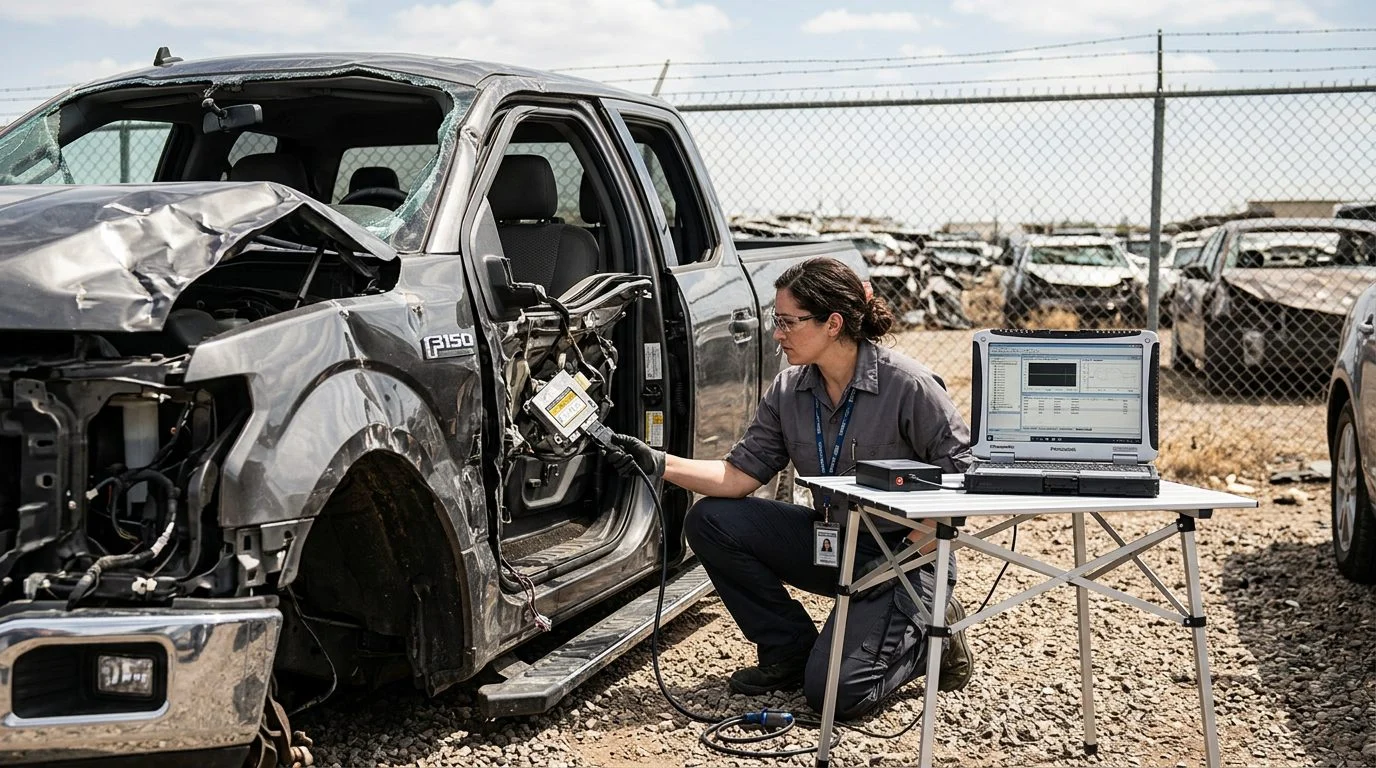
Fulton County Catastrophic Injury Lawyer
Seriously Hurt in Fulton County? Talk With Our Team About What Comes Next
Ugwonali Law Group represents people injured in truck and car crashes, unsafe-property accidents, and falls, and families in wrongful death cases across metro Atlanta and Georgia. Your first consultation is free, confidential, and carries no obligation to continue.
Our Practice at a Glance
Free
First consultation, confidential and with no obligation to continue
English & Spanish
Intake support in both languages, starting with the first call
Atlanta
Office at 3400 Peachtree Road NE, serving Fulton County and across Georgia
By Adanna Ugwonali · Published October 26, 2026
A catastrophic injury in Fulton County is a serious injury that is often permanent. It changes how a person works, moves, and cares for themselves. These injuries often follow a truck or car crash, a fall on unsafe property, or a death caused by someone else’s conduct. This guide explains the basics under Georgia law and what the medical and legal process can involve, in plain language.
What Counts as a Catastrophic Injury in Georgia?
A catastrophic injury is a severe injury that is often permanent and changes daily life. Common examples include fractures that need surgery or hospital care, traumatic brain injuries, spinal cord injuries, amputations, and injuries that lead to death.
Treatment by a medical doctor is what turns a bad injury into a documented one. Emergency visits, imaging, surgery records, rehabilitation notes, and follow-up visits show what happened and what care is still needed. Without that record, it is hard to show how far the injury reaches.
Whether an injury is catastrophic depends on the medical records and the facts of each case. Recovery is different for each person. A general article cannot say which label fits your situation. A lawyer can review the records and explain what they show.
If a serious crash, fall, or death has changed your family's life, you may have a claim worth reviewing, and you don't have to sort out the next steps alone. Request a free case evaluation with our team today. Talk it through with our team — the first consultation is free, confidential, and carries no obligation.

How Catastrophic Injuries Happen in Fulton County
Serious crashes and falls can happen anywhere in Fulton County. Several of the region’s busiest routes run through the county, including Interstate 285, Interstate 75, Interstate 85, and GA-400. Arterial roads such as Peachtree Road and Roswell Road mix stop-and-go traffic, turning vehicles, and people on foot.
When a commercial truck is involved, the at-fault party often carries a commercial insurance policy. That can bring more than one company into a case, including the driver’s employer. Trucking claims also tend to involve more paperwork than a typical car crash.
Falls on unsafe property are a different kind of case. Under O.C.G.A. § 51-3-1, an owner or occupier of land who invites people onto the property must use ordinary care to keep the premises and approaches safe. Broken stairs, missing handrails, and hazards nobody marked can cause serious falls.
Traumatic Brain and Spinal Cord Injuries: Medical Realities
Traumatic brain and spinal cord injuries often need ongoing medical care, and that care shapes the claim. A dated record of each visit helps show when symptoms began and how they changed over time.
Keep every follow-up appointment. Tell your doctor about every symptom, even the small ones. Those notes become part of the medical story that the claim relies on.
Life after a spinal cord injury often involves rehabilitation and long-term care planning. The Model Systems Knowledge Translation Center publishes research-based factsheets on life after spinal cord injury, including long-term care needs.
Medical records should also capture changes in memory, mood, or work ability that doctors observe after a brain injury. Imaging results, hospital charts, therapy notes, and physician statements together show past care and expected future needs.
Investigating the Accident and Proving Negligence
In plain terms, a negligence claim asks whether someone’s careless conduct or unsafe condition caused the injury. Answering that question takes evidence, and some of it disappears quickly.
Useful evidence often includes police or crash reports, photos of the scene and vehicles, witness contact information, surveillance video, and property maintenance records. Medical and billing records also show the connection between the event and the injury.
In truck cases, records such as driver logs, maintenance histories, and inspection records may be requested during discovery. Discovery is the formal exchange of information between the parties in a lawsuit.
Vehicles get repaired, and property conditions get fixed. Early steps to preserve evidence help keep proof intact. Each claim links the at-fault party’s conduct or the unsafe condition to the injury, and each link needs proof.
Georgia Laws That Shape a Catastrophic Injury Claim
Georgia generally gives two years to file a lawsuit for an injury to the person. That deadline comes from O.C.G.A. § 9-3-33. The clock starts when the right of action accrues, a legal term that can turn on the specific facts.
Georgia also uses a modified comparative fault rule. Under O.C.G.A. § 51-12-33, damages are reduced in proportion to the injured person’s share of fault. If that share is 50 percent or more, the injured person is not entitled to receive any damages.
The same statute splits fault among the parties who are liable. Each liable person pays its own share, and that share is not joint liability. Fault of nonparties can also be considered when the court assigns percentages, if the plaintiff entered into a settlement agreement with the nonparty or if a defending party gives notice not later than 120 days prior to the date of trial that a nonparty was wholly or partially at fault.
Timing matters because deadlines, evidence, and fault questions all move quickly. Early work helps a case get organized before key proof is lost.
Damages in a Georgia Catastrophic Injury Case
Damages are the money a court can award to compensate for an injury. Georgia law sorts them into types, and each type has its own proof rules.
Special damages are losses that actually flow from the injury, such as medical bills and lost income. They must be proved. General damages are presumed to flow from a wrongful act and may be recovered without proof of an amount. See O.C.G.A. § 51-12-2.
Medical expenses are limited to the reasonable value of medically necessary care, treatment, or services. Either side may challenge whether those expenses were reasonable or necessary. See O.C.G.A. § 51-12-1.1.
Future medical costs and lost earnings can be reduced to present value. The decision-maker may use a 5 percent discount rate or another rate it finds appropriate. See O.C.G.A. § 51-12-13.
Non-economic damages cover harms such as pain, emotional distress, and lost quality of life. They do not come with a fixed formula. A dollar amount cannot be predicted from a general guide, so each claim is valued on its own facts.
Not sure what your next step is?
Talk it through with our team — the first consultation is free, confidential, and carries no obligation.
When a Fulton County Family Faces a Wrongful Death
Under Georgia law, a surviving spouse, or children if there is no surviving spouse, may bring a wrongful death claim. The claim may recover the full value of the life of the person who died, as shown by the evidence. See O.C.G.A. § 51-4-2.
If no one is entitled to sue under those sections, the administrator or executor may bring the action for the next of kin. See O.C.G.A. § 51-4-5.
When a death results from a crime or from criminal or other negligence, the personal representative may recover funeral, medical, and other necessary expenses. The same section covers those expenses.
Hospital records, emergency medical services reports, and the findings that document the cause of death help show how the death happened. Families are grieving while they make legal decisions. Clear, plain-language updates help them choose each next step at their own pace.

Talk With Ugwonali Law Group About Your Fulton County Injury
Ugwonali Law Group, led by attorney Adanna Ugwonali, represents people seriously hurt in truck and car crashes, unsafe-property injuries, slip and falls, and wrongful death cases in metro Atlanta and across Georgia. The firm’s office is at 3400 Peachtree Road NE, Atlanta, Georgia. Intake is available in English or Spanish.
The first consultation is free, confidential, and without obligation to continue.
What is a catastrophic injury in Fulton County?
It is a severe injury that is often permanent and changes how a person lives, works, or cares for themselves.
How long do I have to file an injury lawsuit in Georgia?
Georgia generally allows two years for personal injury claims under O.C.G.A. § 9-3-33, but injuries to reputation must be brought within one year and loss of consortium claims within four years.
What if I was partly at fault for a crash?
Georgia reduces damages by your share of fault. Under O.C.G.A. § 51-12-33, recovery is barred at 50 percent or more.
Can my family bring a wrongful death claim?
A surviving spouse, or children if there is no spouse, may bring the claim under O.C.G.A. § 51-4-2.
If a serious crash, fall, or death has left your family facing medical bills and hard decisions, you may have a catastrophic injury claim worth reviewing. Request a free case evaluation and our team will walk through the facts with you.
Responsible lawyer: Adanna Ugwonali, Ugwonali Law Group, 3400 Peachtree Road NE, Atlanta, Georgia. This page is educational and is not legal advice.
What to Expect When You Contact Us
A free case review
Call or request an evaluation and describe what happened. We will listen, answer your questions, and explain the process in plain language.
Confidential from the start
Your first consultation is private and comes with no obligation to continue.
Support in English or Spanish
Our intake team can sign you on during the first call and keep you informed in the language you prefer.
Fees explained up front
Clients may still be responsible for court costs and case expenses, and we will explain these before you decide anything.
Serious Injuries We Focus On
Truck and car crashes
Collisions involving commercial trucks or passenger vehicles that cause fractures, hospital stays, or long-term medical needs.
Traumatic brain and spinal cord injuries
Injuries that can change memory, movement, work, and daily life, often requiring ongoing medical care.
Premises and fall injuries
Serious slip, trip, and fall injuries caused by unsafe property conditions, documented by medical treatment.
Wrongful death
Support for families who have lost a loved one in a crash, a fall, or another preventable incident.
Protect Your Health and Your Records
Get medical care as soon as you can, even if your injuries seem minor at first.