

Rockdale County Catastrophic Injury Lawyer
By Adanna Ugwonali · Published October 26, 2026
A catastrophic injury is a severe injury that can cause lasting or permanent harm. It can change how a person walks, works, thinks, or cares for themselves. In Rockdale County, these injuries often follow a crash on Interstate 20, a collision on a busy local road, or a serious fall on property someone else controls. This guide explains the term, the medical and legal steps families face, and the Georgia rules that matter early. It is general information, not legal advice.
What Counts as a Catastrophic Injury?
A catastrophic injury is one that is severe and may cause long-term or permanent loss of function. The term describes how serious the harm is and how long it lasts. It is not a single legal test that applies to every case.
Doctors look at three things: the diagnosis, the likely course of recovery, and how much ongoing care the injury needs. A broken bone that heals in a few months is different from an injury that needs years of rehabilitation. Two injuries can share a name and still affect people very differently.
Common examples include traumatic brain injury, spinal cord injury, amputation, severe burns, and multiple fractures that need surgery. Family members often notice the real change first. A parent may no longer be able to drive. A worker may not be able to return to the same job. Those changes matter as much as the diagnosis.

How Catastrophic Injuries Happen in Rockdale County
Catastrophic injuries in Rockdale County often come from high-energy crashes and serious falls on unsafe property. Heavy trucks, fast highway traffic, and congested local roads all raise the risk of severe harm.
Interstate 20 runs through Rockdale County, and the roads around Conyers carry daily commuter and freight traffic. A fully loaded tractor-trailer weighs far more than a passenger car. Big size differences matter a great deal in these crashes.
Federal rules also set insurance levels for many commercial carriers. For a for-hire carrier in interstate commerce, hauling nonhazardous property in a vehicle rated at 10,001 pounds or more, the federal schedule sets a $750,000 minimum (federal minimum financial responsibility schedule). That minimum is a floor, not a measure of what any claim is worth. A commercial policy behind the at-fault party can shape how a claim is pursued.
Falls on someone else’s property can also cause fractures and head injuries. Georgia law says an owner or occupier who invites people onto land must use ordinary care to keep the premises and approaches safe (Georgia premises duty statute).
Common Types of Catastrophic Injury
The most common catastrophic injuries include brain injuries, spinal cord injuries, amputations, severe burns, crush injuries, and serious internal injuries. Each type follows its own treatment path and long-term needs. That is why the medical record matters so much.
Traumatic brain injury can affect memory, mood, balance, and focus. Families should tell their doctor about every new symptom, and they should keep each follow-up visit. Neurological follow-up helps track changes over time.
Spinal cord injuries can affect movement and feeling. The spinal cord injury factsheets from the Model Systems Knowledge Translation Center describe life after these injuries, including long-term care needs.
Amputations, severe burns, and crush injuries each bring their own recovery path. Multiple fractures and internal injuries often require hospital care and extended treatment. Each case looks different on paper and in daily life.
Medical Care, Records, and the Treatment Timeline
Getting medical care right away after a crash or fall protects your health. It also starts a record of your injuries. A medical doctor should evaluate you even if you feel well enough to go home.
A typical timeline may include emergency care, imaging such as X-rays or scans, hospital admission, surgery, rehabilitation, and follow-up visits. The path depends on the injury and the treatment plan. Follow the plan your doctor gives you.
Keep your records in one folder. Save discharge papers, appointment notes, prescriptions, receipts, and bills. A simple journal of symptoms, pain levels, and daily limits helps too. Note tasks you can no longer do and work you missed.
Georgia Deadlines and Evidence Every Family Should Know Early
Georgia generally requires an action for injuries to the person to be brought within two years after the right of action accrues (O.C.G.A. § 9-3-33). The statute sets different periods for some other claims, such as loss of consortium, which has four years. A missed deadline can end a claim, so acting early matters.
Georgia also reduces damages by a plaintiff’s share of fault. Under the Georgia apportionment statute, the judge reduces damages in proportion to the plaintiff’s percentage of fault. A plaintiff who is 50 percent or more responsible may not receive any damages.
Start gathering evidence early. Photos of the scene, injuries, and property conditions help. So do vehicle damage details, witness names and phone numbers, and any police report number. Memories fade and conditions change.
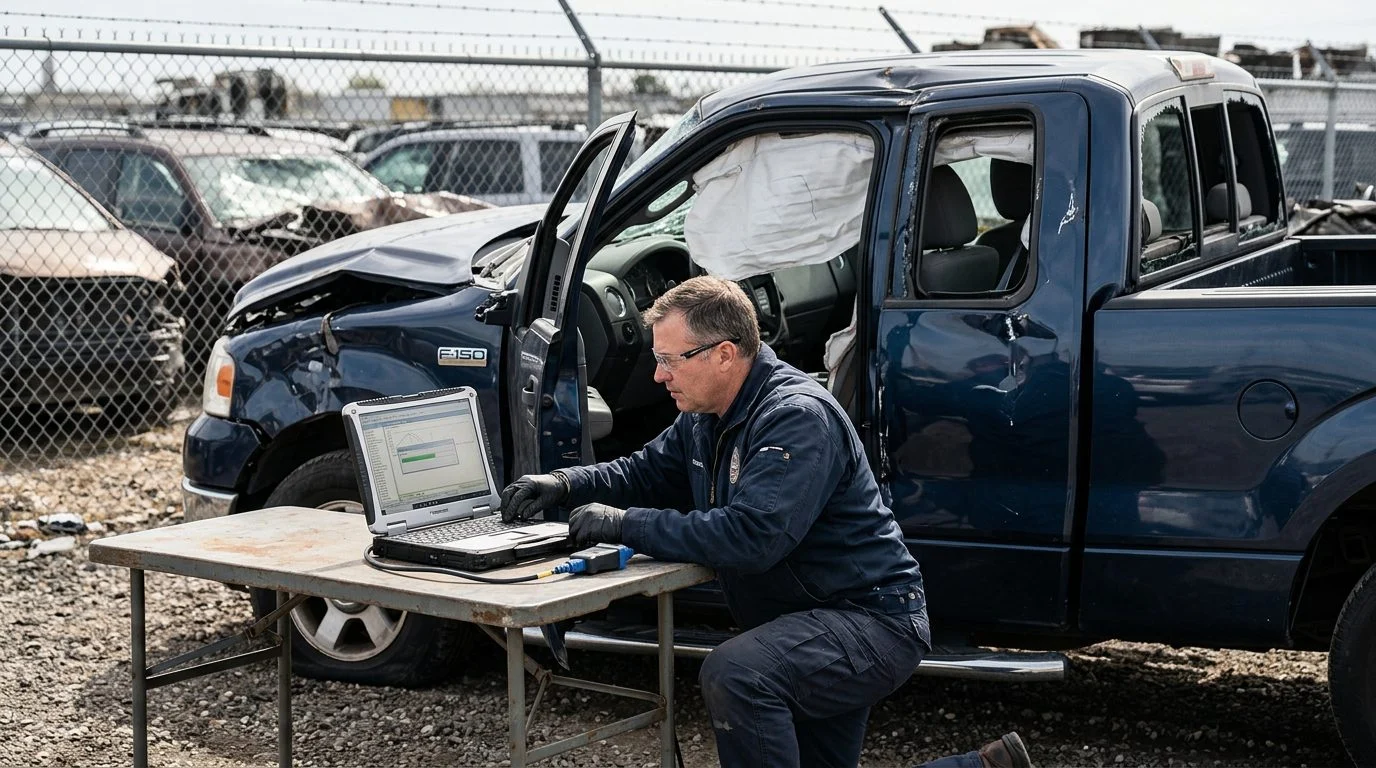
In truck crashes, federal rules require carriers operating commercial vehicles to record driver duty status (federal duty status rule). Electronic logging devices record data elements such as date, time, location, engine hours, vehicle miles, and motor carrier identification data (ELD data rule). Early requests to preserve these records help keep them.
Claims against a county or other government entity follow different rules. This guide covers claims against private parties.
When a Catastrophic Injury Leads to a Wrongful Death Claim
When a crash or fall causes a death, Georgia law lets certain family members bring a wrongful death claim. Which relatives can pursue a wrongful death claim depends on the family members the person who died leaves behind, and our team can walk through your family’s situation with you during a free, confidential case review. No outcome can be promised, and the result of any wrongful death claim depends on its own facts.
If no one is entitled to sue under that section, the administrator or executor may bring the action for the next of kin (Georgia personal representative statute). When death results from a crime or from criminal or other negligence, the personal representative may recover funeral, medical, and other necessary expenses.
Families may be grieving while they handle insurance letters, bills, and deadlines. An early conversation can help them see which steps come first.
Fees, Costs, and the Free First Consultation
Ugwonali Law Group offers a free first consultation that is confidential, with no obligation to continue. Intake is available in English or Spanish.
The firm handles cases across Rockdale County, metro Atlanta, and statewide Georgia. Its office is at 3400 Peachtree Road NE, Atlanta, Georgia.
Bring what you have to a first conversation, even if it feels incomplete. Discharge papers, photos, and insurance letters are a good start.

Talk With Ugwonali Law Group About Your Rockdale County Injury
A serious injury raises medical, financial, and legal questions at the same time. The answers below cover the basics.
Common Questions
What are catastrophic injuries?
They are severe injuries that can cause lasting or permanent harm and change daily life.
How long do I have to file an injury claim in Georgia?
Georgia generally requires injury claims to be brought within two years, though some claims have different periods.
Does Georgia reduce damages if I was partly at fault?
Yes. Under O.C.G.A. § 51-12-33, where the plaintiff is to some degree responsible for the injury or damages claimed, the judge reduces the damages otherwise awarded to the plaintiff in proportion to the plaintiff’s percentage of fault. The statute also provides that the plaintiff shall not be entitled to receive any damages if the plaintiff is 50 percent or more responsible for the injury or damages claimed.
Is the first consultation free?
Yes, it is free, confidential, and comes with no obligation to continue.
For broader background, read the catastrophic injury guide. Families in nearby areas can also see the Conyers page.
If a crash or fall has left you or someone you love with a serious injury in Rockdale County, you don’t have to sort out the medical and legal steps alone. Call for a free case review, request a free case evaluation, or chat with our intake team in English or Spanish.
This page is general information, not legal advice. The responsible lawyer for this page is Adanna Ugwonali, Ugwonali Law Group, 3400 Peachtree Road NE, Atlanta, Georgia. Contact the firm through the contact page.