


Car Accidents | Atlanta and Georgia
Feeling Off After a Serious Car Crash? Know the Signs of Shock
A serious collision can affect the mind as well as the body. Learn the psychological warning signs Georgia families should not ignore, and when to get a medical evaluation.
By Adanna Ugwonali · Published October 30, 2026
The signs and symptoms of psychological shock after a car accident include feeling dazed or numb, trouble thinking clearly, shaking, and sleep problems. Some signs appear right away. Others show up days or weeks later. This guide explains what to watch for in Georgia and when a physical problem needs emergency care.
What Psychological Shock Means After a Car Crash
Psychological shock is an emotional and mental reaction to a sudden, frightening event like a crash. It is different from circulatory shock, a life-threatening medical emergency in which the body does not get enough blood flow. Circulatory shock needs 911 right away.
A driver may walk away from a crash and still feel shaken hours later. Feelings can surface after the adrenaline wears off, and a person may not connect them to the crash at first.
For related topics, see our catastrophic injury resource hub.
If a crash has left you or someone you love struggling with symptoms like these, our team can talk through what happened at no cost to you. Talk it through with our team — the first consultation is free, confidential, and carries no obligation.
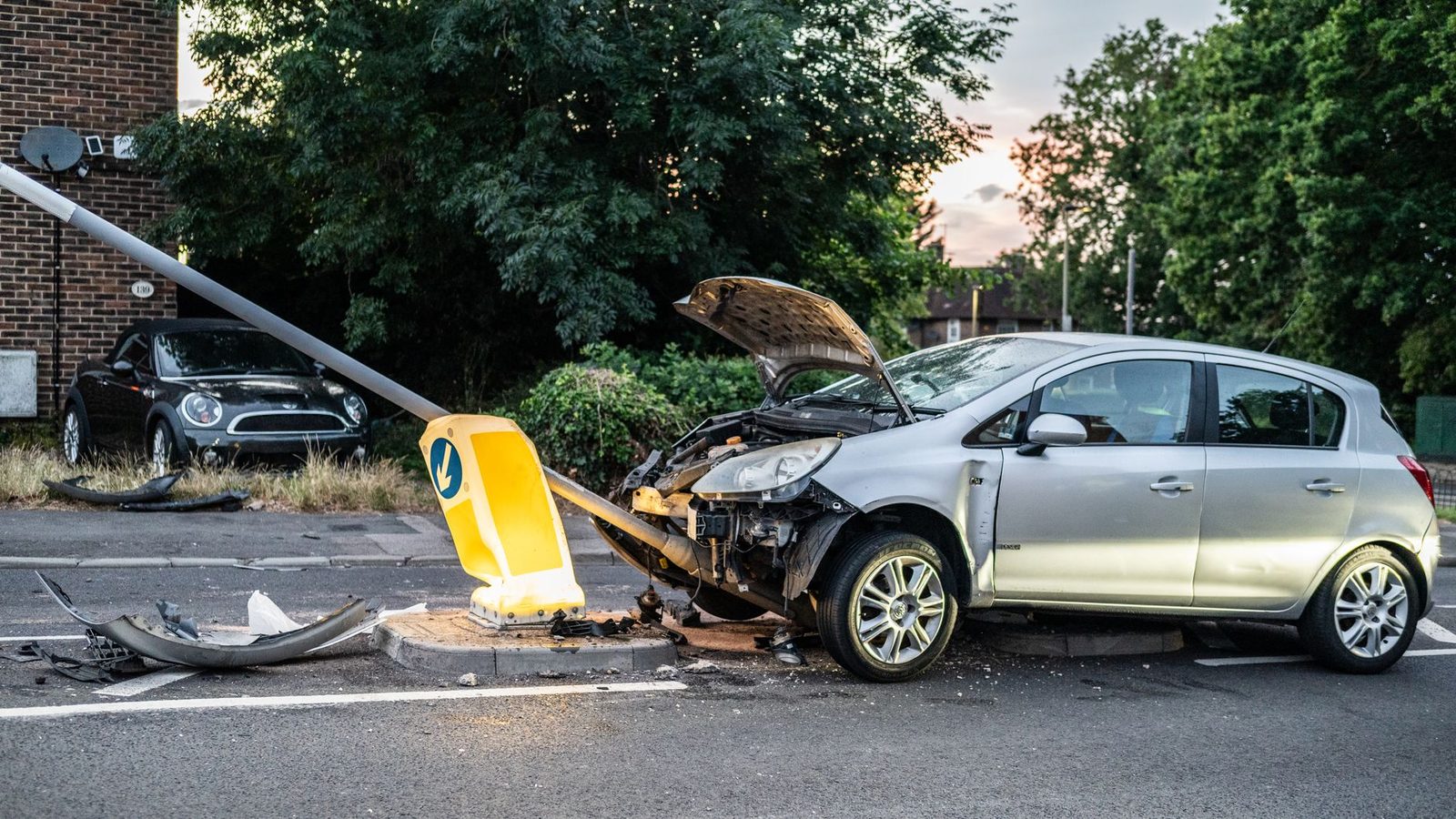
Common Signs and Symptoms in the First Hours After a Crash
In the first hours, the most common signs are feeling dazed, numb, or detached. Confusion and trouble focusing are also common. Watch for these signs:
- Feeling dazed, numb, or as if the crash is not real
- Confusion, trouble focusing, or gaps in memory about how the crash happened
- Trembling, shaking, sweating, or a racing heartbeat
- Crying, laughing, or speaking in a flat tone that seems out of place
- Going quiet and withdrawn, or feeling a strong urge to pace or leave the scene
- Nausea or dizziness
Reactions vary. Some people cry hard. Others seem calm or even joke about what happened. Each reaction is a normal response to a frightening event. Still, every person should be checked for injuries, even if the reaction seems mild.
Symptoms That Can Appear Days or Weeks Later
Symptoms can show up days or weeks after a crash. These may include sleep trouble, nightmares, and replaying the crash in the mind. Common later symptoms include:
- Flashbacks or a jumpy startle response
- Strong anxiety when hearing brakes or horns
- Avoiding driving, certain roads, or the place where the crash happened
- Irritability, low mood, or pulling away from family and friends
- Trouble concentrating at work or at home
These symptoms can overlap with post-traumatic stress. A medical doctor or mental health professional can evaluate them. Many people’s emotional reactions ease over time. A person should not wait if symptoms are getting worse or interfering with work, family, or daily life.
Warning Signs That Need Emergency Medical Care
Chest pain, trouble breathing, fainting, and severe confusion need emergency care now. Pale, cold, clammy, or bluish skin, a weak and rapid pulse, and slurred speech are also warning signs. Call 911 right away if any of these appear after a crash.
Emotional reactions and physical emergencies can look alike. Do not wait to see which one it is. Get checked by a medical doctor after any crash, even if you feel fine at the scene. Some injuries do not cause pain right away.
How to Help Someone Who Seems to Be in Shock
To help someone who seems to be in shock, stay with them and speak calmly. Use short, simple sentences. Keep your tone steady and kind.
Help the person sit or lie down in a safe place. Keep them warm with a blanket if one is available. Move them away from traffic, and encourage slow, steady breathing.
Do not leave them alone while you wait for help. Watch for emergency warning signs, and call 911 if any appear. Encourage them to see a medical doctor. Write down what you observed, including the time and what the person said or did.

Keeping a Record and Talking With a Georgia Injury Lawyer
Keeping a dated record of symptoms helps show how a crash affected a person’s health. Write down emotional and physical symptoms, the date each one started, and how each one changes over time. Save appointment notes and prescriptions too.
Georgia law recognizes damages for injury to peace, happiness, or feelings. The law states that in a tort action in which the entire injury is to the plaintiff’s peace, happiness, or feelings, “no measure of damages can be prescribed except the enlightened consciences of impartial jurors,” and punitive damages are not awarded in that kind of action, under O.C.G.A. § 51-12-6. Georgia law also separates general damages, which the law presumes from a wrongful act, from special damages, which must be proved, under O.C.G.A. § 51-12-2.
In civil actions to recover damages resulting from injury or death to a person, special damages for medical and healthcare expenses are limited to the reasonable value of medically necessary care, under O.C.G.A. § 51-12-1.1. Georgia generally requires actions for injuries to the person to be brought within two years after the right of action accrues, under O.C.G.A. § 9-3-33; injuries to reputation must be brought within one year, and actions for injuries to the person involving loss of consortium within four years. (Georgia Court of Appeals opinion)
Frequently Asked Questions
How long does shock last after a car accident?
The length varies from person to person. Symptoms that persist or get worse should be checked by a medical doctor.
How do you calm someone in shock after an accident?
Stay with them, speak calmly, and keep them safe from traffic. Call 911 if emergency warning signs appear.
Can emotional trauma be part of an injury claim in Georgia?
It can be. How it fits into a case depends on the medical records and the facts.
Adanna Ugwonali is the responsible lawyer for this page. Ugwonali Law Group, 3400 Peachtree Road NE, Atlanta, Georgia. This page is general information, not legal advice.
If a crash has left you or someone you love struggling with these symptoms, you do not have to sort it out alone. Our team at Ugwonali Law Group can talk through what happened in a free, confidential, and without-obligation initial consultation. Intake is available in English or Spanish. Contact our team to start that conversation.
Citation status: NOT PUBLISHABLE. Routed to human review.
- Only one citation was added, which is below the required minimum of 2.
- The only available source that fits a claim in this article is the Georgia Court of Appeals opinion quoting O.C.G.A. § 9-3-33. It is placed on the one-, four-year limitations sentence.
- The other available sources do not match any claim in the article without changing its meaning:
- The Georgia workers’ compensation FAQ covers work injuries, which the article does not discuss.
- The California Department of Insurance brochure is about auto liability and UM coverage, not the damages-limit sentence it could be placed on. It is also a California source.
- The Insurance Information Institute page covers driving without insurance, which the article does not discuss.
- The Georgia Supreme Court opinion quoting O.C.G.A. § 51-12-33 (Quynn v. Hulsey (2020)) covers apportionment of fault, which the article does not discuss.
- The eCFR federal trucking rules apply to commercial truck crashes, which the article does not discuss.
- Adding a second link would require placing a source on a claim it does not support, or adding new text. Either would break the no-rewrite rule. A reviewer should either approve an additional source for a claim the article already makes, or confirm whether the article should cover a topic such as insurance or trucking.
- The existing legis.ga.gov links were left unchanged. They are not in the approved source list, so a reviewer should confirm them as well.
Why Ugwonali Law Group Explains the Medical Side Too
Health comes first
Emotional symptoms after a crash deserve a medical doctor's attention. We encourage every client to get checked, and to keep records of care.
Plain-language guidance
We explain the legal and medical process in clear terms, so you know what to expect before you make decisions.
English or Spanish
Our intake staff can speak with you in English or Spanish, on the first call.
Free case review
Call or request a free case review at 3400 Peachtree Road NE, Atlanta. The first consultation is confidential and comes with no obligation to continue.
Do not wait if symptoms are severe
Call 911 right away for confusion that is getting worse, fainting, seizures, chest pain, trouble breathing, or thoughts of harming yourself. Persistent or worsening emotional symptoms after a crash should be evaluated by a medical doctor without delay.
Common Shock Signs to Watch For
Physical reactions
Rapid heartbeat, shaking, dizziness, nausea, or a constant feeling of being on edge that does not settle down.
Thinking and memory
Confusion, trouble concentrating, gaps in memory about the crash, or feeling detached from what happened.
Sleep and nightmares
Trouble falling or staying asleep, or repeated, vivid memories of the collision that intrude on your day.
Mood and behavior
Numbness, irritability, tearfulness, avoiding driving or certain roads, or pulling away from family and work.