


Car Accident Injuries | Atlanta, Georgia
Head Injuries Can Hide in Plain Sight. Know the Signs After a Car Accident.
Some brain injuries don't show up right away. Learn which symptoms to watch for, why a medical evaluation matters, and how Ugwonali Law Group can help you understand your options after a crash in metro Atlanta or anywhere in Georgia.
Getting Started With Our Firm
Free
First consultation, confidential and without obligation
English & Spanish
Intake available in either language
Statewide
Serving metro Atlanta and communities across Georgia
By Adanna Ugwonali · Published October 30, 2026
The signs of brain damage after a car accident include a headache that keeps getting worse, repeated vomiting, confusion, slurred speech, weakness or numbness, and trouble waking up. Other signs, such as memory lapses, dizziness, or mood changes, can show up later. Some signs need emergency care right away. Others need a prompt medical checkup. Only a medical doctor can diagnose a brain injury.
If you’re asking this for yourself or someone you love, you’re not alone in feeling unsure. A crash is frightening, and an injury inside the head may not look serious at first. This guide explains the signs of brain damage after a car accident in plain language. It groups them by urgency and by when they tend to appear. It’s general information, not medical advice.
Why brain injuries after a car crash are easy to miss
A brain can be injured in a car crash even without a direct blow to the head. The head can move fast during impact, and the brain can be hurt as it shifts inside the skull.
In the first hours, adrenaline and shock can hide symptoms. A broken arm or leg gets the most attention. A headache or a little dizziness often gets brushed off. Many people say they felt fine at the scene and noticed problems only later.
Judging your own symptoms is hard. Confusion can make it hard to notice confusion. That is why family members are often the first to see a change. A loved one may repeat questions, seem slower, or act out of character. A Georgia study on brain injury care notes that mild or repetitive traumatic brain injury can be difficult to diagnose.
Keep one thing in mind. This guide explains common warning signs. A medical professional makes any diagnosis, usually after an exam and sometimes after imaging.
If a loved one seems different since a wreck, or your own symptoms have you worried, you don't have to sort it out alone, so reach out for a free, confidential first consultation without obligation to continue. Talk it through with our team — the first consultation is free, confidential, and carries no obligation.
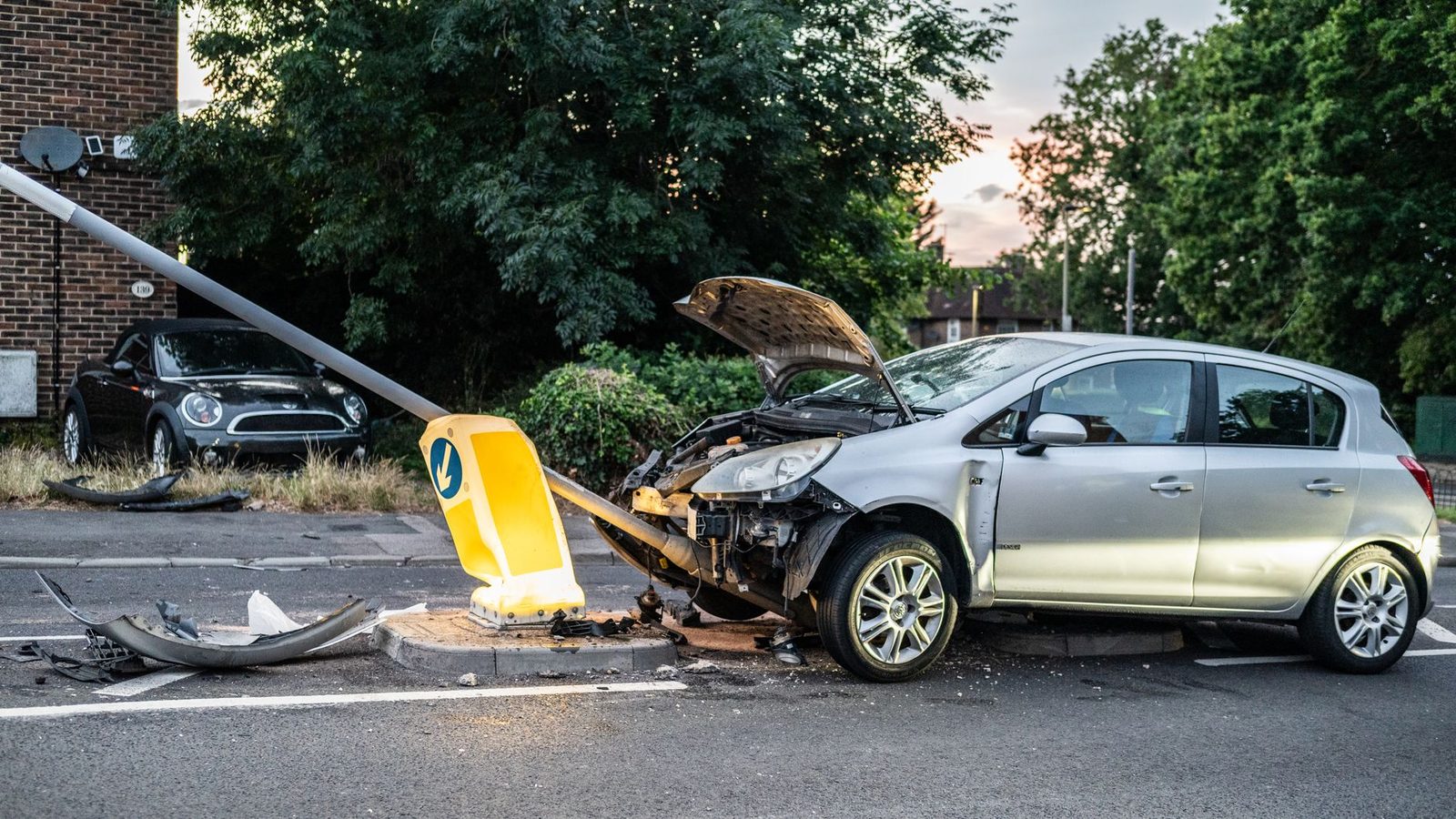
Warning signs that need emergency care right away
Call 911 or go to the nearest emergency department right away if you notice any of these signs after a crash:
- A headache that gets worse or does not go away
- Repeated vomiting or nausea
- A seizure or convulsion
- Confusion that is growing
- Slurred speech
- Weakness or numbness in the arms or legs
- One pupil larger than the other
- Trouble waking up, or being very hard to wake
Do not leave a person with these signs alone. Don’t wait to see whether they improve. The VA health library on traumatic brain injury advises people to promptly report worsening or newly appearing symptoms, including after a motor vehicle accident.
Emergency care comes first. The emergency visit also creates a medical record of the crash, the symptoms, and the time they started. That record matters for your health and for any later decisions.
Thinking, memory and concentration changes
Changes in thinking, memory and focus can be a sign of brain damage after a car accident. They are easy to blame on stress or a bad day, so pay attention to patterns.
Watch for trouble concentrating, memory gaps for recent events, and slowed thinking. Confusion about the time or place can show up. So can trouble finding words or following a conversation.
These changes often show up in daily life first. A person may miss a bill they always paid. They may lose track of an appointment, or struggle at work with tasks they used to handle easily. Driving can also be affected.
Write down specific examples with dates. Note what happened, what you tried, and how it affected your day. A note like “On March 4, I forgot the name of a coworker I’ve known for years” helps a doctor understand what changed. Bring these notes to every appointment.
Physical, sensory and balance symptoms
Physical signs can point to brain damage after a car accident. A headache that won’t go away is the most common of these, but others matter too.
Watch for dizziness or loss of balance, nausea, and blurred or double vision. Sensitivity to light or noise is another sign. So is ringing in the ears, or unusual tiredness that doesn’t match your activity. Changes in sleep also count. Sleeping far more or far less than usual is worth reporting.
A headache after a crash that keeps coming back or gets stronger should be checked by a medical doctor. Many people wait, hoping it will pass. Don’t assume it will. Tell the doctor exactly when the headache started and how it has changed.
Physical symptoms also affect safety. Dizziness and poor balance raise the risk of a fall at home or on stairs. Mention these problems to the doctor, even if they seem small.
Mood, personality and behavior changes
Mood and behavior changes can be a sign of brain damage after a car accident, especially when they are new. Look for irritability, mood swings, anxiety, or low mood. Sudden anger or impulsive choices can also point to a problem.
Family members often notice these changes before the injured person does. A spouse might say, “You’re not yourself.” Take that seriously. It is worth a medical evaluation, even if you feel fine.
Stress after a crash can also change mood. Crashes are frightening, and many people feel shaken afterward. A doctor can sort out the cause. A medical exam looks at the whole picture, including sleep, pain, and what happened in the crash itself.
Don’t try to label the change yourself. Describe it to the doctor in your own words, and include the dates you noticed it.
Why symptoms can appear days or weeks later
Some brain injury symptoms do not appear for hours, days or weeks after a crash. A “wait and see” approach can delay the care that a person needs.
A symptom that shows up on day five still matters. The timing of symptoms varies from person to person. A separate guide on how long after a car accident brain symptoms can appear covers the timing in more detail.
Tell the doctor about the crash, even if your symptoms seem minor. A doctor needs that history to decide what to check. Crash details help the medical team connect new symptoms to the injury.
Keep a symptom journal. For each symptom, write the date, how strong it was, and what you were doing. Note whether it got better, stayed the same, or got worse. This simple record helps you and your doctor spot patterns over time.
Not sure what your next step is?
Talk it through with our team — the first consultation is free, confidential, and carries no obligation.
Common questions about head injuries after a crash
Answers to the most common questions depend on the person’s symptoms and the advice of a medical doctor.
Can you drive a car with brain damage?
Driving depends on the symptoms and on what a doctor advises. Ask a doctor before getting behind the wheel after any head injury. Dizziness, blurred vision, slowed thinking, or confusion can make driving unsafe, so don’t guess.
What are the classifications of head injuries?
Head injuries range from mild concussion to moderate and severe traumatic brain injury. Medical professionals make that call using exams and imaging. A Georgia trauma system publication looks at the severity and outcomes of brain injury patients treated at Georgia trauma centers.
What are the symptoms of a minor head injury?
A minor head injury can cause a headache, dizziness, and brief confusion. Minor-looking symptoms still deserve a medical evaluation. The label “minor” is one a doctor should make after an exam, not the person who was hurt.

Next steps: medical care, records and a free consultation
The first step after a suspected brain injury is medical evaluation. Records of that care matter for your health and for any later claim.
Keep every appointment, follow-up, and bill. Under O.C.G.A. § 51-12-1.1, medical expenses in an injury case are limited to the reasonable value of medically necessary care. The trier of fact, meaning the judge or jury, decides that amount. Either side can challenge whether expenses were reasonable or necessary.
Georgia generally allows two years to bring an action for injuries to the person (O.C.G.A. § 9-3-33; Kenneth B. Cameron v. Jmp Pizza, Inc (2026)). O.C.G.A. § 9-3-33 sets that rule. The statute has exceptions, so the facts of each case matter.
Ugwonali Law Group, led by attorney Adanna Ugwonali, represents people hurt in car and truck crashes, including serious brain injury cases. The firm’s office is at 3400 Peachtree Road NE, Atlanta, and it serves metro Atlanta and Georgia statewide. Intake is available in English or Spanish.
If a loved one seems different since a wreck, or your own symptoms have you worried, you don’t have to sort it out alone. You can request a free case evaluation for a free, confidential first consultation, without obligation to continue.
Adanna Ugwonali is the responsible lawyer for this page. Ugwonali Law Group, 3400 Peachtree Road NE, Atlanta, Georgia. This page is general information. It is not medical advice, and it is not a promise of any result. Medical questions belong with a medical doctor.
Symptoms to Watch For in the Days and Weeks After a Crash
Headaches that persist or worsen
A headache that keeps coming back, grows stronger, or doesn't respond to rest deserves a medical evaluation.
Memory and concentration problems
Trouble remembering recent conversations, losing your train of thought, or struggling to focus on simple tasks can signal a brain injury.
Mood and personality changes
Irritability, anxiety, depression, or feeling unlike yourself are often overlooked symptoms that family members may notice first.
Sleep changes
Sleeping much more or much less than usual, or feeling exhausted despite rest, should be reported to a doctor.
Dizziness, vision, or balance issues
Blurred or double vision, unsteadiness, ringing in the ears, or dizziness are reasons to seek care promptly.
Confusion or unusual behavior
Feeling dazed, confused about where you are, or having others say you seem off are serious warning signs.
Don't Wait to Get Checked
Symptoms of a brain injury can appear hours, days, or weeks after a crash. Seek medical care right away if you notice worsening headaches, repeated vomiting, seizures, confusion, or unusual drowsiness. Ask a doctor before driving or returning to work after any head injury.
What to Do After a Crash That Involved a Head Impact
1. Get a medical evaluation
Even if you feel fine at the scene, a doctor can check for hidden injuries and document your symptoms from the start.
2. Keep every medical record
Save discharge papers, test results, prescriptions, and referral notes. Clear records help explain how the injury affects your life.
3. Keep a symptom journal
Write down headaches, sleep changes, mood shifts, and tasks that now feel harder. Note the date and time for each entry.
4. Speak with a law firm about your options
Ugwonali Law Group offers a free, confidential first consultation with no obligation to continue. Our team can explain the legal and medical process in plain language.
Concerned About a Head Injury After a Car Accident? Talk With Our Team.
Related practice areas
- Catastrophic Injury
- Who Pays the Hospital Bills After a Truck Accident in Atlanta?
- What Not to Tell Your Insurance Company in Georgia