


Serious Injury Crashes · Atlanta, Georgia
Haven't Reported the Crash Yet? Here's What That Can Mean After a Serious Injury
Some people wait to report a crash because they feel fine at first, or because they are unsure what to do. Here is a plain-language look at how a delay can affect the official record, insurance steps, and your medical care, and how Ugwonali Law Group can help.
By Adanna Ugwonali · Published October 30, 2026
If you’re asking what happens if someone doesn’t report an accident, the short answer is that the crash still counts. A missing report can make facts harder to prove and can complicate insurance steps. It does not erase a real injury. This page explains what the gap can mean in Georgia when someone was hurt, needed hospital care, or died. It focuses on crashes with real injury, not minor incidents with no harm.
Why This Question Comes Up After a Serious Crash
People usually ask this question after a crash hurt someone and the reporting steps never happened.
The other driver may have left the scene. A store may never have called the police. An officer may have said no report was needed. Or the family may have learned about the crash days later.
You might be the injured person. You might also be a spouse, parent, or adult child making calls and handling bills while someone you love recovers.
You may be in pain or in treatment. That is a hard place to stand. Take it one step at a time, and start with your health.
This page covers truck and car crashes, unsafe-property injuries, slip and falls, traumatic brain and spinal cord injuries, and wrongful death. Minor fender-benders with no injury fall outside its focus.
If a serious crash was never reported and you're unsure what it means for an injured family member, our team is ready to talk it through with you. Talk it through with our team — the first consultation is free, confidential, and carries no obligation.
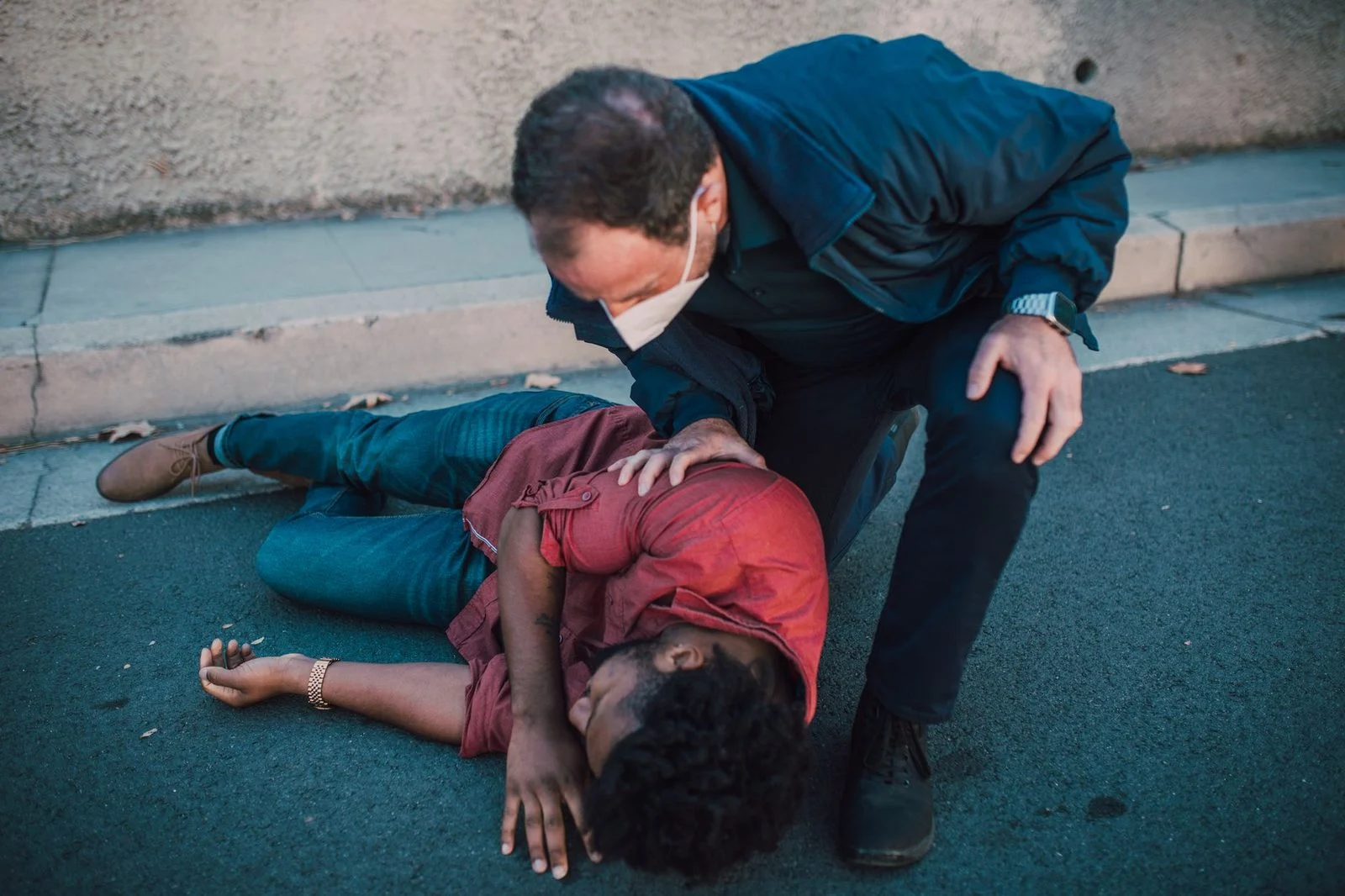
Does Georgia Require Someone to Report a Crash to Police?
Yes, Georgia’s motor vehicle code includes a crash reporting requirement. The state’s uninsured motorist law refers to it directly.
The reporting rule is found in O.C.G.A. § 40-6-273. Which crashes trigger the duty is set by that section’s own terms, so the details matter.
A reporting duty is one thing. Whether an officer responds and writes a report at the scene is another. An officer’s choice does not change what happened on the road. It does change the paper trail.
If the vehicle was a commercial truck, the driver may face extra rules.
How Long After an Accident Should Someone Report It?
When someone is hurt, the practical answer is to report as soon as possible. That means at the scene, or as soon as medical care allows.
Insurance notice runs on the policy’s own terms. Policies often ask for notice within a reasonable time or as soon as practical. The exact wording is in your own policy, and policies differ.
Waiting can complicate the record even before any deadline passes. Memories fade, witnesses move away, and video may be overwritten.
Write down the date, time, and location now. List the names and phone numbers of everyone involved and any witnesses. Note what each person said while it is still fresh.
What Not Reporting Can Do to an Injury Claim
When someone doesn’t report an accident, the first problem is usually proof. Without a police report, there is no official record of the date, place, vehicles, and scene conditions. Those facts are harder to confirm later, when people remember the crash differently.
There is one place where reporting can be a condition of recovery. If the at-fault driver is unknown, such as in a hit-and-run, recovery under uninsured motorist coverage can depend on meeting reporting requirements, and the specific steps and timing matter. Contact our team for a free case review to learn what applies to your situation. See the uninsured motorist law.
The other side’s insurer may question whether the crash caused an injury when the first medical visit came days later. Some brain and spinal injuries may not show symptoms right away. Tell your doctor about every symptom, including ones that seem minor or show up later.
Georgia law limits medical expense damages to the reasonable value of medically necessary care. The trier of fact, meaning the jury or judge, decides that amount. Your medical records help show what care was needed. See the medical expense statute.
See a medical doctor promptly and follow the treatment plan. Keep visit summaries, bills, notes on missed work, and photos of injuries and vehicles.
Do You Have to Tell Your Own Insurance Company, Even If the Crash Was Not Your Fault?
Usually, yes. Your own auto policy often has a notice clause, and skipping it can affect coverage. Whether it causes a problem turns on the policy’s wording and the facts of the crash.
Even when you were not at fault, your own policy may matter. Georgia law requires insurers to offer uninsured motorist coverage on auto policies, although an insured may reject that coverage in writing. Medical payments coverage, if your policy has it, may also apply. The uninsured motorist law sets out that framework.
Keep a copy of any notice you give. Report the facts you know: the date, the place, who was involved, and what you saw. You don’t need to guess about fault in that notice.
What to Do If Police Did Not File a Report or Said One Was Not Needed
If police did not file a report, you can still document the crash with photos, names, and medical records.
An officer may not respond, or may decide no report is needed. That choice does not end your ability to document what happened.
Take photos of the scene, the vehicles, and any injuries. Get names and phone numbers of witnesses. Write down the other driver’s insurance and license details. Ask nearby businesses whether they have video, and ask soon, since footage can be overwritten.
Contact the agency that responded. Ask whether a report exists and how to request a copy. Don’t assume one was filed.
Medical records often become the central documents. Georgia law says special damages must be proved before they can be recovered. Keep every bill and record.
Not sure what your next step is?
Talk it through with our team — the first consultation is free, confidential, and carries no obligation.
When a Crash Is Not Reported and Someone Dies
When a crash causes a death, certain family members may be able to bring a wrongful death claim under Georgia law. Losing a loved one is painful. The confusion grows when a crash was never reported or looked into right away.
For the death of a spouse or parent, Georgia wrongful death law sets out who may bring a claim and what damages may be recovered, and those rules depend on the facts of each case. If there is no surviving spouse, a child or children may recover. See the wrongful death statute.
When death results from a crime or other negligence, the personal representative may recover funeral, medical, and other necessary expenses. See the Georgia wrongful death expense statute.
Keep evidence when you can. That includes the vehicle, phone records, and medical and emergency response records. Don’t assume a missing report means no claim exists.
If the person was on foot, see our page on pedestrian wrongful death claims. If a child died in a car crash, see child wrongful death claims.
Common Questions People Ask About Unreported Accidents
Short answers to common questions follow.
What happens if someone doesn’t report an accident?
The crash can still have happened and caused real injuries. The main risks are a thinner official record and missed insurance steps.
Should I report an accident with no injury?
This page focuses on crashes with real injury. Minor incidents with no injury fall outside its scope.
What if the other driver asks me not to report it?
Don’t sign a statement or agree to terms you don’t understand. Reporting to your own insurer and getting medical care stay separate from any side agreement.
Can an unreported crash still lead to a claim?
It can. Whether a claim moves forward depends on the facts, the injuries, the evidence, and the policies involved. Georgia reduces damages by the injured person’s share of fault. Someone who is 50 percent or more responsible recovers nothing.
Does a criminal case change the time to file a claim?
Georgia law can pause the time limit for a victim’s tort claim while a related criminal case is pending. The pause cannot exceed six years, with exceptions. See the Georgia tolling statute.

Next Steps and a Free Case Review
The safest order is medical care first, then the facts, then your own insurer.
- Get medical care and follow the treatment plan.
- Write down the facts and keep photos.
- Notify your own insurer under the policy terms.
- Keep records of bills, visits, and missed work.
- Don’t sign statements about fault before getting advice.
If a crash was never reported and you’re now carrying an injury, a hospital stay, or a loss, you don’t have to work out the next step alone. Request a free case review with our team, and we’ll walk through what your facts may mean.
Your first consultation is free, confidential, and comes with no obligation to continue.
Adanna Ugwonali is the responsible lawyer for this page. Ugwonali Law Group is located at 3400 Peachtree Road NE, Atlanta, Georgia, and serves metro Atlanta and statewide Georgia. Intake is available in English and Spanish.
This page is general information, not legal advice. No outcome can be promised or predicted from it.
Why a Delay in Reporting Can Matter
A thinner official record
Police reports, crash reports, and witness statements are usually easiest to build close to the time of the collision. When a crash goes unreported, the written record may be incomplete or missing.
Evidence can fade
Skid marks, debris, traffic camera footage, and nearby business surveillance video are often overwritten or removed over time.
Injuries can appear later
Concussions, spinal injuries, and internal injuries are not always obvious at the scene. A gap between the crash and first treatment can make it harder to connect symptoms to the incident.
Insurance questions come up
Insurers often ask when and how a crash was reported and when medical care began. Clear, consistent answers help keep your claim organized from the start.
Key Tip: Get Medical Care First
If you were hurt in a crash, see a medical doctor as soon as you can, even if you feel you only have minor pain. Tell the provider exactly how the crash happened and describe every symptom. Keep copies of your records and bills.
If You Were Hurt and Haven't Reported It Yet
1. Get checked by a doctor
Your health comes first. A medical evaluation documents your injuries and creates a record of your treatment.
2. Write down what you remember
Note the date, time, location, weather, the vehicles or property involved, and the names of anyone who saw what happened.
3. Keep your evidence
Save photos, messages, receipts, and any paperwork from the scene, your insurer, or your care providers.
4. Ask someone to help you review it
Our team offers a free, confidential first consultation, with no obligation to continue. Intake staff can speak with you in English or Spanish.