


Spinal Cord Injury | Atlanta and Georgia
Spinal Cord Injury Pain: What It Can Feel Like and How to Document It
Pain after a spinal injury does not look the same for everyone. This plain-language guide explains the common patterns and how a clear record can support your medical care and your case.
By Adanna Ugwonali · Published November 12, 2026
Watching someone you love hurt after a serious crash or fall is frightening. The first question is often simple: does a spinal cord injury hurt? Yes, it can. Pain varies, though, based on where the injury is, how severe it is, and what else was hurt.
This page explains the medical reasons behind that pain. It also covers how Georgia law looks at the harm pain causes.
Short answer: yes, a spinal cord injury can be painful, but not always in the same way
A spinal cord injury can cause pain. For many people, it is one of the hardest symptoms to live with. Some people feel intense burning or stinging. Others feel mostly numbness or weakness, and some feel both.
The pattern depends on the injury’s level and whether it is complete or incomplete. It also depends on other injuries from the same crash or fall. Two people with similar injuries can describe very different sensations.
If you are caring for someone hurting after a crash or fall, we can talk through their injury and your questions during a free, confidential first consultation. Talk it through with our team — the first consultation is free, confidential, and carries no obligation.
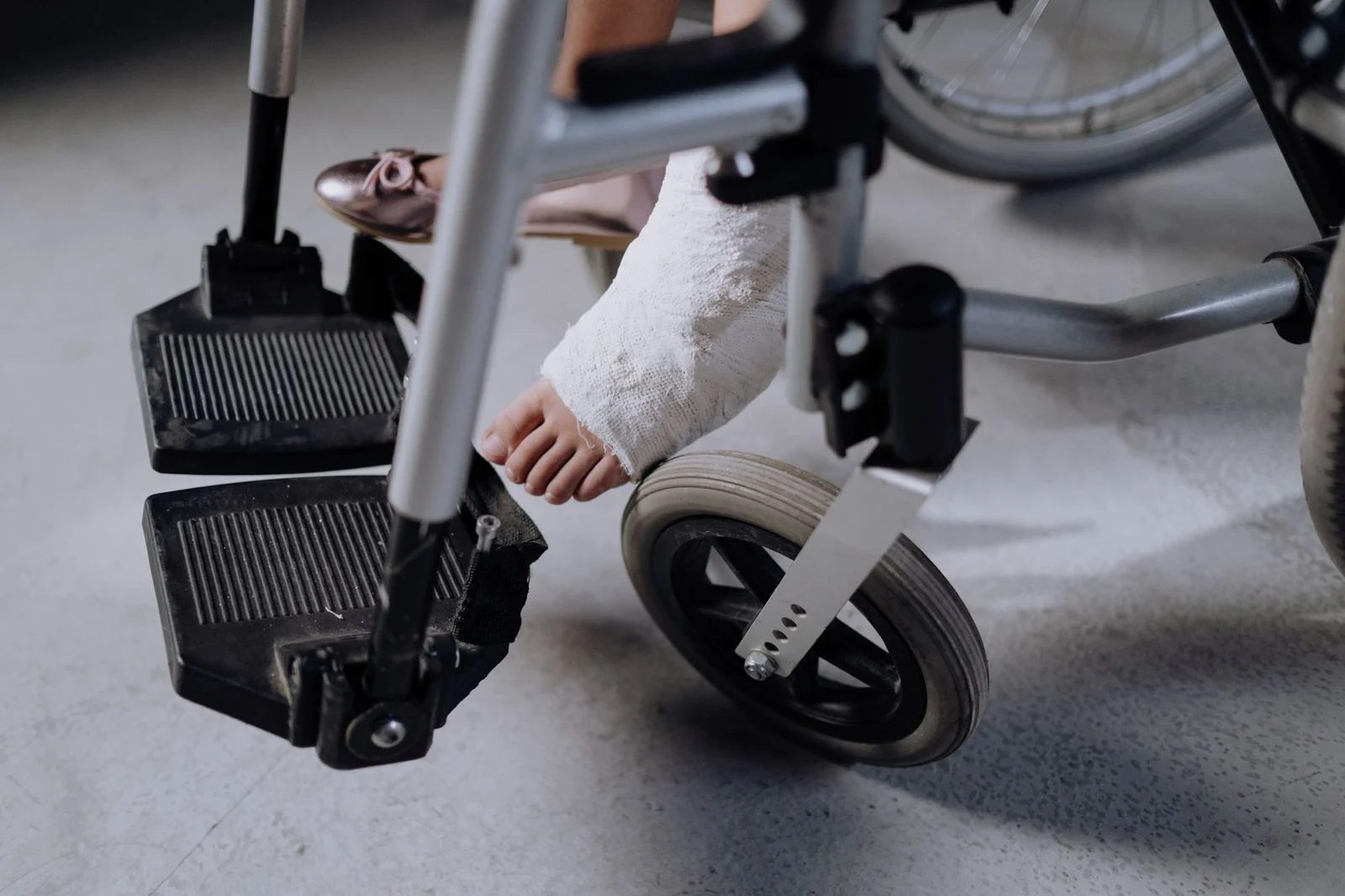
Why the spinal cord can cause pain
The spinal cord carries signals between the body and the brain. When the cord is damaged, those signals can change. The brain may interpret them as pain, pressure, or strange sensations.
Nerve damage can produce neuropathic pain. People often describe it as burning, shooting, tingling, or electric. Research-based factsheets from the Model Systems Knowledge Translation Center cover life after spinal cord injury, including these long-term needs.
Pain can also come from bones, muscles, and ligaments hurt in the same event. That musculoskeletal pain is separate from the cord itself. It matters for treatment and for the medical record.
Common types of pain after a spinal cord injury
Doctors often describe three main types of pain after a spinal cord injury.
- Neuropathic pain occurs at or below the injury level. It is sometimes felt in areas that are numb or paralyzed.
- Musculoskeletal pain comes from fractures, dislocations, muscle strain, or spasms.
- Visceral pain involves internal organs. It can be harder to describe and to locate.
Pain can change over time. A person may notice different sensations in the weeks and months after the injury than in the first days. Families should report any change to the care team.
Why some people feel numbness instead of pain
Some people lose feeling below the injury rather than feel pain. Doctors call this loss of sensation. It can sound like good news, but it is not always safe.
A person who cannot feel pressure may not notice a pressure sore or a burn. A small injury can grow before anyone sees it. That is why family members should mention any change in feeling. This holds true even when the person says they feel nothing at all.
How paralysis type and injury level relate to pain
Doctors describe spinal cord injuries by level. The levels are cervical (neck), thoracic (upper and mid back), and lumbar and sacral (lower back). They also describe whether the injury is complete or incomplete.
Paraplegia affects the legs and lower body. Tetraplegia, also called quadriplegia, affects the arms, legs, and trunk. Both can involve pain, numbness, or both.
Higher-level injuries can affect breathing. That is one reason emergency care matters in the first hours. The Model Systems factsheets linked above describe these care needs in more detail. A treating physician can explain what to expect for a specific injury.
How spinal cord injury pain is typically managed
Care usually combines several approaches. These may include medicines, nerve-focused treatments, physical and occupational therapy, and sometimes counseling. The plan often changes as symptoms change.
Physical therapy works on strength, movement, and daily function. Those changes can affect how a person feels day to day. A written pain journal can help. It should note location, intensity, timing, and what seems to trigger the pain. A clear journal helps the care team respond more accurately.
Not sure what your next step is?
Talk it through with our team — the first consultation is free, confidential, and carries no obligation.
How pain fits into a serious injury claim in Georgia
Georgia law separates general damages from special damages. General damages are those the law presumes to flow from a tortious act. They may be recovered without proof of any amount, under O.C.G.A. § 51-12-2. Special damages actually flow from the act and must be proved.
Medical expenses follow a separate rule. Special damages for medical and healthcare expenses are limited to the reasonable value of medically necessary care, under O.C.G.A. § 51-12-1.1.
Medical records document both the injury and the pain.
Frequently asked questions
Does a spinal cord injury always cause pain?
No. Some people feel pain, some feel numbness or weakness, and some feel both.
Can pain change after a spinal cord injury?
Yes. Pain can shift in the weeks and months after the injury, so written notes help.
Can a family get a loved one’s medical records after a death?
Georgia law lists who may request them. These include an appointed executor, administrator, or temporary administrator of the estate, and if none has been appointed, the surviving spouse, then any surviving child, then any parent, under O.C.G.A. § 31-33-2.
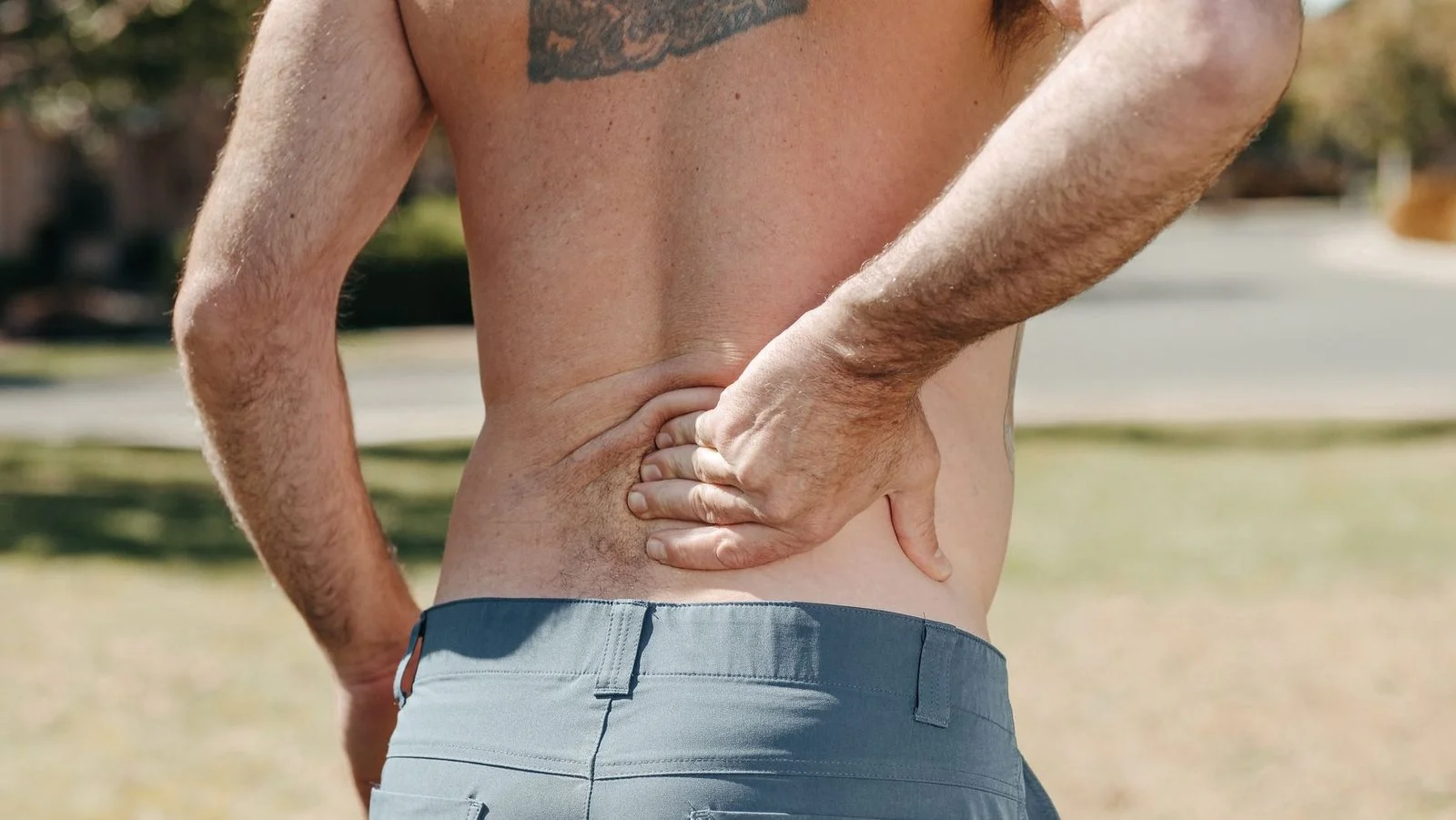
Talking with the Ugwonali Law Group about your situation
If you are caring for someone living with a spinal cord injury after a crash or fall, you may be carrying their questions, their medical decisions, and your own worry all at once. You do not have to sort out the legal side on your own. The Ugwonali Law Group offers a free first consultation that is confidential and comes with no obligation to continue. Our team can talk through the injury, the accident, and how pain is documented. You can reach the intake team by contacting the firm, by phone, or by chat, in English or Spanish, at 3400 Peachtree Road NE, Atlanta, Georgia.
Responsible lawyer: Adanna Ugwonali, Ugwonali Law Group, 3400 Peachtree Road NE, Atlanta, Georgia.
How Ugwonali Law Group Can Help
Plain-Language Guidance
We explain the legal and medical process in clear terms, so you know what to expect at each stage.
Free, Confidential First Consultation
Your first consultation is free and confidential, with no obligation to continue.
English or Spanish
Our intake team can speak with you in English or Spanish, whichever you prefer.
Based in Atlanta
Our office is at 3400 Peachtree Road NE, Atlanta, and we represent people across metro Atlanta and Georgia.
Keep a Pain Journal
Write down where it hurts, how often it happens, what makes it better or worse, and what your doctors tell you. Pain can change in the weeks and months after an injury, and a dated record is easier to share with your medical team and your attorney.
Questions to Bring to Your Medical Team
Where is the pain?
Note the location, including whether it spreads, stays in one area, or moves over time.
What does it feel like?
Describe whether it is burning, sharp, aching, or tingling, and whether you also feel numbness or weakness.
What helps and what hurts?
Track activities, positions, medications, and treatments that change your symptoms.
What comes next?
Ask which tests, treatments, and follow-up visits are planned, and keep copies of your records.