


Spinal Cord Injury Claims | Clayton County, Georgia
A spinal cord injury changes everything. Clear answers can help you plan your next steps.
Ugwonali Law Group, based at 3400 Peachtree Road NE in Atlanta, works with injured people and their families in Clayton County and across Georgia.
By Adanna Ugwonali · Published November 15, 2026
If someone you love was hurt in a truck or car crash in Clayton County, you may be searching for spinal cord injury claim help. Medical decisions are still being made, and the legal questions can feel just as urgent. A spinal cord injury claim is a civil case. It asks the party responsible for the crash to pay for the harm.
This guide explains how these claims work in Georgia, in plain terms. Ugwonali Law Group serves Clayton County and other parts of Georgia from its office at 3400 Peachtree Road NE, Atlanta.
What a Spinal Cord Injury Claim Is and Who It Is For
This kind of claim fits injuries where the spinal cord or the nerves around it are damaged. The spinal cord carries signals between the brain and the body. When that pathway is hurt, movement, feeling, and bodily functions can be affected, sometimes including paralysis.
The Model Systems Knowledge Translation Center publishes research-based spinal cord injury factsheets on life after these injuries. Long-term care needs are a central part of the picture, so a claim looks ahead as well as back.
The claim is civil, not criminal. It is separate from any criminal case about the crash. Its purpose is compensation for the injured person’s losses.
This page is written for injured adults and for the spouses, parents, and adult children who help them. It also covers families in wrongful death matters, where a crash caused a death. Ugwonali Law Group handles truck accidents, car accidents, traumatic brain injury, spinal cord injury, catastrophic injury, and wrongful death, plus premises liability and slip and fall claims.
If a crash left someone you love facing spinal cord injury care in Clayton County, you do not have to work through the legal side alone. Reach out to our team for a free case evaluation. Talk it through with our team — the first consultation is free, confidential, and carries no obligation.
How Spinal Cord Injuries Happen in Clayton County Crashes
Spinal cord injuries usually follow high-force impacts, such as rollovers, head-on collisions, and crashes with a large truck. A tractor-trailer weighs far more than a passenger car. In a collision, the force often lands hardest on the smaller vehicle and the people inside it.
Spinal injuries can come with other harm. Fractured vertebrae, herniated discs, traumatic brain injury, and internal injuries can all need emergency hospital care.
Early medical care matters for two reasons. It protects the injured person’s health, and it creates a clear record linking the injury to the crash. A gap in treatment can make that link harder to show. Keep every discharge paper, bill, imaging report, and follow-up note.
Truck crashes add another set of records. Under 49 C.F.R. § 396.3, a motor carrier must systematically inspect, repair, and maintain the vehicles it controls. It must keep those records for one year, and for six months after a vehicle leaves its control.
For a local starting point, see the Clayton County spinal cord injury guide.
What a Spinal Cord Injury Claim Can Cover
A claim can seek money for medical bills, lost income, and harm that bills do not capture.
Georgia law splits damages into two groups. General damages are harms the law presumes flow from a wrongful act, and they can be recovered without proof of an exact amount. Special damages are actual losses, such as bills and wages, and they must be proved under O.C.G.A. § 51-12-2.
For medical costs, special damages are limited to the reasonable value of medically necessary care. The trier of fact (the jury or judge who weighs the evidence) decides that value, under O.C.G.A. § 51-12-1.1.
A claim may address these categories:
- Emergency care, hospital stays, surgery, imaging, and rehabilitation
- Medications and future medical treatment
- Lost income and reduced earning capacity, including effects on physical work
- Pain, suffering, and loss of enjoyment of life
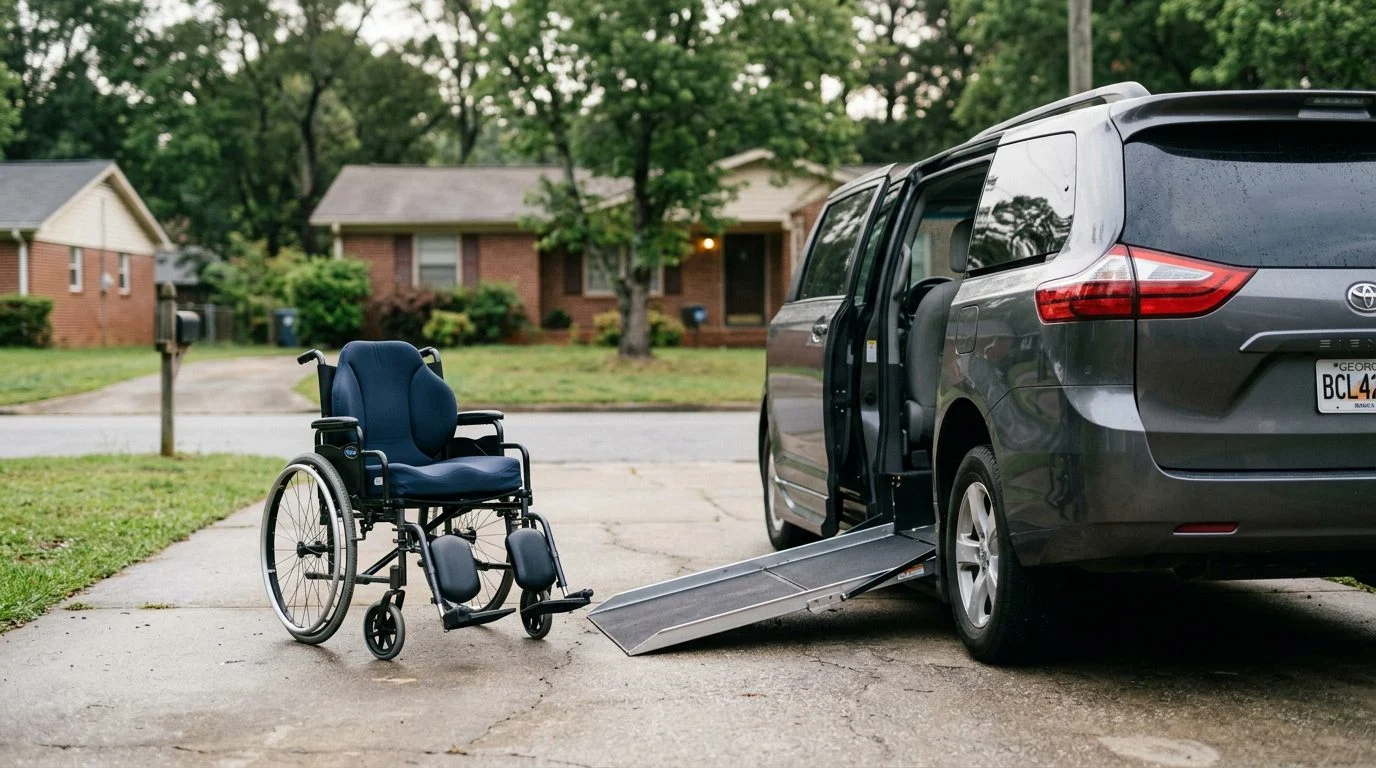
- Care and household help, and medically recommended home or vehicle changes
Future losses can be reduced to present value. Under O.C.G.A. § 51-12-13, a jury may discount future medical costs, living expenses, and lost wages using a 5 percent rate or another rate it sees fit.
No general amount can be stated here. The value depends on the crash facts, the medical records, whether the injury is permanent, and the insurance available.
Proving Fault and Meeting Georgia Deadlines
Georgia generally requires actions for injuries to the person to be brought within two years after the right of action accrues (O.C.G.A. § 9-3-33).
Under O.C.G.A. § 9-3-33, actions for injuries to the person must be brought within two years after the right of action accrues. The statute includes exceptions, so the timing of your situation should be reviewed early.
Georgia reduces damages by the injured person’s share of fault. The jury sets each percentage. Under O.C.G.A. § 51-12-33, a person who is 50 percent or more responsible for the injury recovers no damages.
The company’s own hiring, training, supervision, or retention decisions can also be a source of fault.
Useful evidence includes the crash report, photos, vehicle information, witness names, and the driver’s duty records. Motor carriers must require drivers to record their duty status. Carriers operating commercial motor vehicles must install and require drivers to use electronic logging devices no later than December 18, 2017, but a carrier may instead require manual duty-status records where this section allows it, under 49 C.F.R. § 395.8. Ask early for records to be preserved, since retention periods are limited.
How a Claim Moves Forward and How This Firm Works With You
A claim usually moves from a first call to a free case review, then investigation, insurance negotiation, and, if needed, a lawsuit.
- The first call. Intake staff, who work in English or Spanish, gather the basic facts about the crash and the injury and explain next steps.
- The case review. Ugwonali Law Group reviews the crash, the medical situation, and the insurance questions with you.
- Investigation and records. The firm collects crash reports, medical records, and bills, and works with treating doctors on the records they keep.
- Negotiation and, if needed, court. Talks with insurers can take months. If a fair resolution is not reached, the claim may go to a lawsuit.
Timelines vary with injury severity, the number of parties, and whether the case goes to trial. Ask for an estimate based on your facts.
Ugwonali Law Group is led by attorney Adanna Ugwonali. The firm is based at 3400 Peachtree Road NE, Atlanta, Georgia, and serves Clayton County and other parts of Georgia from that office. Support staff help clients through intake and records.
Frequently Asked Questions About Spinal Cord Injury Claims in Clayton County
Most families ask about amounts, deadlines, and who can act for the injured person.
Is there a typical settlement for a spinal cord injury?
No typical amount applies, because each claim turns on its own facts.
The firm can explain who may act in your case.
What if the other driver was partly at fault?
Your damages are reduced by your share of fault. You can still recover if your share is below 50 percent, under O.C.G.A. § 51-12-33.
What if the at-fault driver has little insurance?
Under O.C.G.A. § 33-7-11, Georgia automobile liability policies generally must contain an endorsement or provisions undertaking to pay the insured damages from an uninsured motor vehicle, within limits that, at the option of the insured, are chosen from the options the statute allows. This describes the coverage in the client’s own policy and does not by itself describe the coverage carried by an at-fault driver with low limits.
Do I have to decide right away?
No. The first consultation is free, confidential, and carries no obligation to continue. La consulta inicial es gratuita, confidencial y sin compromiso de continuar.
Not sure what your next step is?
Talk it through with our team — the first consultation is free, confidential, and carries no obligation.
Talk With Our Team About Your Clayton County Case
If a crash left someone you love facing spinal cord injury care, you do not have to work through the legal side alone.
You may be juggling hospital bills, rehabilitation schedules, and questions about deadlines that cannot wait. Those questions are easier to answer with the facts of your case in front of you.
Reach out through our contact page to request a free case evaluation. Our intake team can talk through your Clayton County situation with you.
Ugwonali Law Group, 3400 Peachtree Road NE, Atlanta, Georgia. Responsible lawyer: Adanna Ugwonali. This page is general information and is not legal advice.
How our team supports you
Plain-language guidance
We explain the legal process and the medical terms your doctors use, so you can make informed decisions at each stage.
Free case reviews
Your first consultation is free and confidential, with no obligation to continue.
Intake on the first call
Our intake staff can speak with you in English or Spanish and answer your questions right away.
Attention to the whole picture
We look at medical care, daily life, work, and family needs alongside the facts of how the injury happened.
Protect your health and your records
Follow the treatment plan set by your medical doctor, attend your follow-up visits, and keep copies of bills, medical records, and notes about lost work. Speak with our team before you give a recorded statement to an insurance company.
What a spinal cord injury claim often involves
Medical documentation
Hospital records, imaging, surgical notes, and therapy reports help show the nature and extent of the injury.
Long-term care planning
Spinal injuries can require ongoing rehabilitation, equipment, and home adjustments. Documenting these needs is part of building a complete picture.
Questions about fault
Crash reports, witness information, and insurance coverage can all matter when a commercial or corporate policy may be involved.
Families facing a fatal crash
When a spinal cord injury leads to death, surviving family members may have questions about a wrongful death claim. We help them understand their options.