

Understanding Incomplete Paraplegia: What the Term Means and How It Happens
A plain-language guide for injured people and families in metro Atlanta and across Georgia who are trying to make sense of a spinal cord diagnosis.
By Adanna Ugwonali · Published November 13, 2026
If a doctor has just used the word “incomplete” about a loved one’s spinal injury, you probably want a plain answer. An incomplete paraplegic is a person with paraplegia whose spinal cord injury still lets some nerve signals pass below the injury.
That one difference shapes daily life, medical care, and the questions that come later. Here is what the term means, how doctors grade it, and what it can and can’t tell you.
What does “incomplete paraplegia” mean?
Incomplete paraplegia means weakness or paralysis in the legs and lower trunk, with some feeling or movement still present below the injury. Paraplegia usually follows an injury to the spinal cord in the chest, mid-back, or lower back.
The word “incomplete” describes the spinal cord itself. The cord is not fully cut or shut off at the injury site. Some signals still travel through, so some feeling or voluntary movement remains below the injury.
The MedlinePlus spinal cord injury guide explains that spinal cord injuries can cause paralysis and loss of sensation or movement. It also notes that these injuries are described as complete or incomplete.
That label comes from a medical exam at one point in time. It is not a forecast for any one person.
If a loved one's spinal injury has left you with questions about the diagnosis, our team can talk with you in a free, confidential first consultation, without obligation to continue. Talk it through with our team — the first consultation is free, confidential, and carries no obligation.
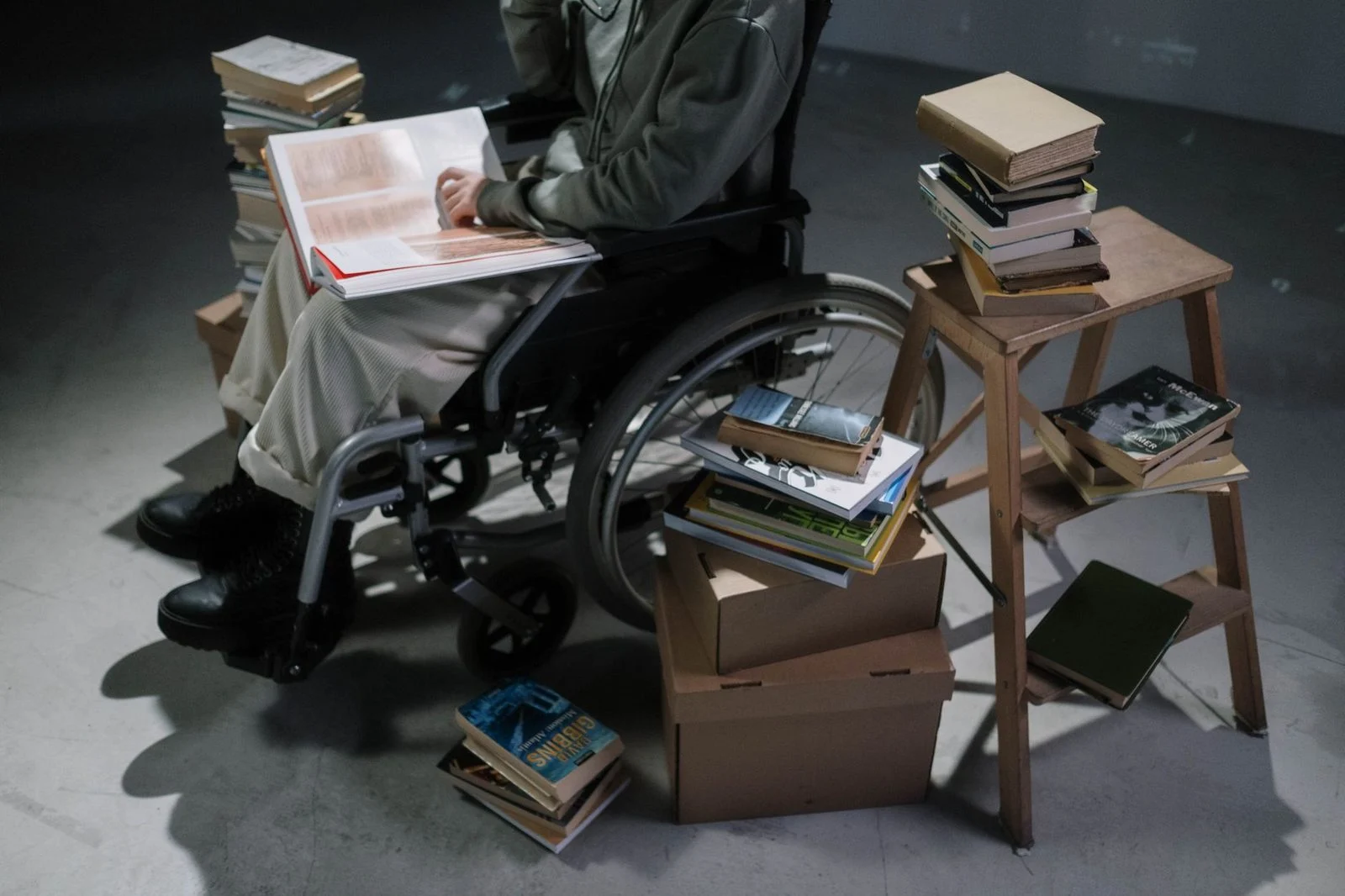
Complete vs. incomplete paraplegia
A complete injury leaves nothing preserved below the injury level. An incomplete injury leaves at least some feeling or movement.
The core difference is simple. With a complete injury, testing finds nothing working below the injury. With an incomplete injury, testing finds some.
Clinicians test both sides of the body, one region at a time. They touch the skin lightly and use a pinprick to check feeling. They check muscle strength from the arms down to the legs. They also check the lowest part of the body, since preserved function there can affect how the injury is classified.
Two people with an injury at the same spinal level can still have very different exam results. That’s why a single label doesn’t tell the whole story. The exam findings fill in the rest.
How doctors grade severity: the ASIA Impairment Scale
The ASIA Impairment Scale (AIS) is a grading tool doctors use to rate how severe a spinal cord injury is. The American Spinal Injury Association developed the scale, and it sorts injuries into grades from A to E.
- Grade A: Complete. Nothing is preserved in the lowest region of the body.
- Grade B: Feeling is preserved below the injury, but movement is not.
- Grades C and D: Some movement is preserved. In grade C, most key muscles below the injury are weak. In grade D, at least half are at a useful strength level.
- Grade E: Feeling and movement are normal.
Doctors re-check the grade over time, so an early grade is a snapshot, not a final answer.
The grade goes into the medical record.
Common causes of paralysis and spinal cord injuries
Serious spinal cord injuries often come from high-force trauma, such as motor vehicle crashes and falls from height.
Truck and car crashes are a common cause of serious spinal injury. Falls from height and other sudden blows to the back or neck can cause one too.
Paralysis also has causes that are not injuries, such as infection, tumors, or problems with blood flow to the spinal cord. Those are medical matters outside this page’s legal focus.
How an injury happened and where the spine was hurt are two separate facts. Emergency and hospital teams record how the injury happened early. The level and grade are documented later, through exams and imaging.
Spinal injuries from crashes or falls are often a central part of a catastrophic injury compensation claim, because their effects can last a long time. Ugwonali Law Group handles catastrophic injury cases in Georgia.
Bladder, movement, and daily life with incomplete paraplegia
Bladder control, walking, and daily tasks vary with the injury’s level and how complete it is. A medical team assesses each one for the individual patient.
Bladder care is one of the first questions families ask. Many people with paraplegia learn bladder management, such as catheter use, through their rehabilitation team. The team chooses the method for each patient, and family members often learn it too.
Walking is harder to predict. Some people with incomplete injuries regain some walking with therapy and assistive devices. Others use a wheelchair for daily travel. Outcomes vary widely.
Occupational and physical therapists track tasks like dressing, transfers, and getting around. They record changes over time, and those notes become part of the medical picture.
If you’re reading this for a parent, spouse, or child, you may be the one keeping track of these notes and appointments. Writing down questions before each visit can help.
Can someone recover from an incomplete spinal cord injury?
Some people with an incomplete spinal cord injury do regain some function. The amount varies from person to person.
Recovery is a medical question for the treating team. Doctors track progress through repeated exams. The medical record documents the grade, the therapy, and the care received at each stage.
Gains, when they happen, can arrive at different times. Some people see little change, and others see changes over many months. The course of recovery depends on the facts of each person’s injury and care.
Not sure what your next step is?
Talk it through with our team — the first consultation is free, confidential, and carries no obligation.
Talking with a lawyer about a spinal cord injury in your family
A spinal cord injury caused by someone else’s fault can raise questions about medical bills, lost income, and future care.
Many readers are trying to understand a diagnosis while appointments, bills, and work changes stack up. That is a heavy load, especially while you’re learning new medical words.
The jury or judge decides that amount. The medical record, including the ASIA grade and therapy notes, is central to those questions.
Ugwonali Law Group represents people seriously hurt in truck and car crashes, unsafe-property injuries, slip and falls, and spinal cord and catastrophic injury cases statewide in Georgia. Attorney Adanna Ugwonali is the responsible lawyer for this page. The firm’s office is at 3400 Peachtree Road NE, Atlanta, Georgia.
Frequently asked questions
What is an incomplete paraplegic?
An incomplete paraplegic is a person with paraplegia whose spinal cord injury still lets some feeling or movement pass below the injury.
What is the difference between complete and incomplete paraplegia?
A complete injury leaves nothing preserved below the injury level. An incomplete injury leaves at least some feeling or movement.
Can a paraplegic urinate?
Bladder function varies with the injury, and rehabilitation teams work with each patient on a bladder management plan.
If a loved one’s injury has you sorting through medical terms and paperwork, you can reach the Ugwonali Law Group intake team for a free, confidential first consultation, without obligation to continue. Intake is available in English or Spanish.
This page is general education, not legal advice. Adanna Ugwonali is the responsible lawyer for this page, at Ugwonali Law Group, 3400 Peachtree Road NE, Atlanta, Georgia. No result can be predicted from this page.
How Ugwonali Law Group Can Help
Free, confidential first consultation
Your first consultation is free, confidential, and carries no obligation to continue.
Intake in English or Spanish
Our intake team speaks with you in English or Spanish, so you can explain your situation in the language you prefer.
Plain-language explanations
We walk you through the legal and medical process step by step, so you know what to expect.
Support for families
When a loss leads to a wrongful death claim, our team helps families understand their options and what comes next.
Atlanta office
Adanna Ugwonali leads Ugwonali Law Group at 3400 Peachtree Road NE, Atlanta, serving people across metro Atlanta and statewide in Georgia.
Ask your medical team to explain your injury in writing
A spinal cord diagnosis can change over time as swelling goes down and rehabilitation begins. Ask your treating doctor to explain your injury level, what they found on examination, and how your feeling and movement are being tracked. Keep copies of your records and imaging reports.
Key Terms to Know
Paraplegia
Paraplegia refers to paralysis or loss of function in the legs and lower body, usually caused by injury to the spinal cord in the thoracic, lumbar, or sacral region.
Complete vs. incomplete
A complete injury leaves no preserved function below the injury level. An incomplete injury leaves some feeling or movement below the injury, and doctors describe the level of preservation as part of the diagnosis.
Common causes
Serious spinal cord injuries often result from high-impact events such as vehicle crashes, falls, and other sudden trauma that damage the cord or the bones and tissues around it.
Why records matter
Emergency records, imaging, surgical notes, and therapy reports all help document the injury, its level, and how it has changed over time.