

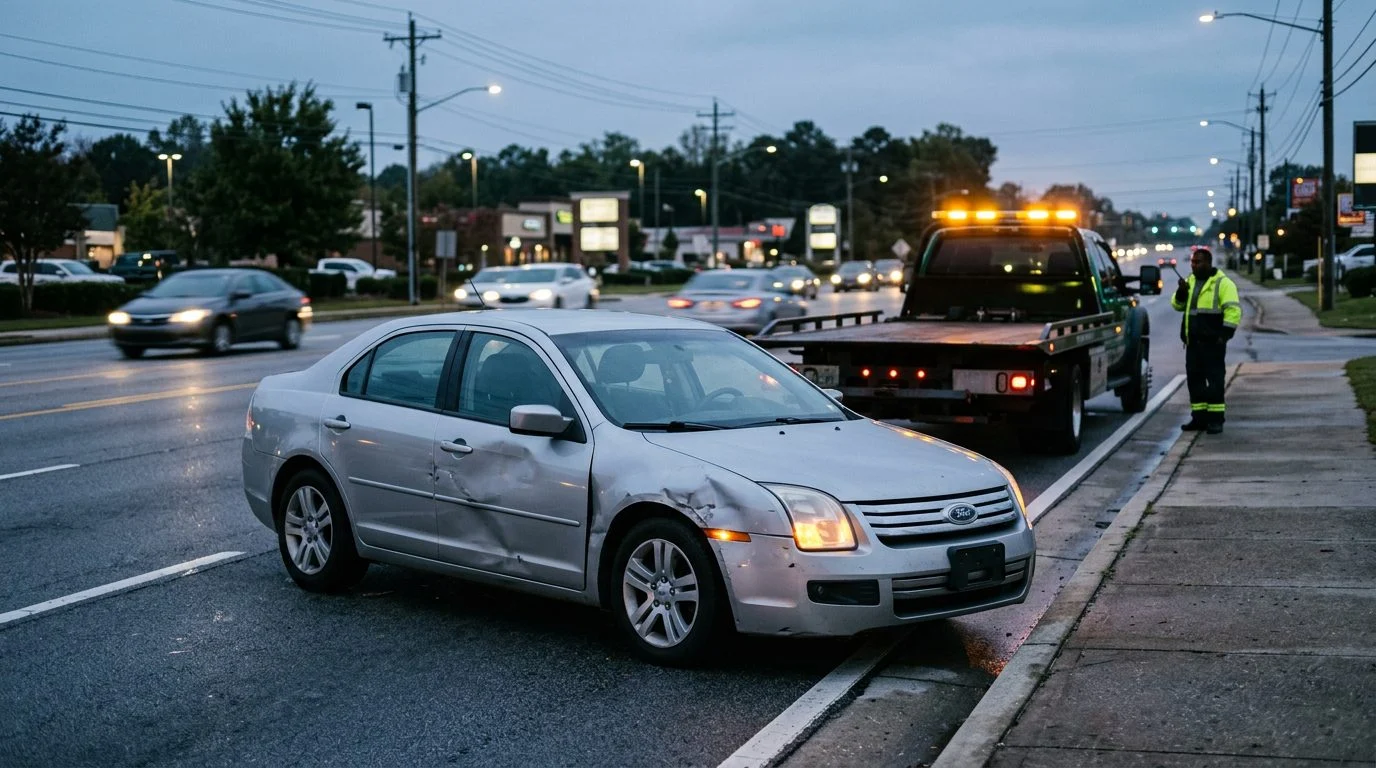
Clayton County | Brain Injury | Car Accidents
Brain Injury After a Car Accident in Clayton County: What to Know Next
A plain-language guide to recognizing brain injury symptoms, getting medical care, and understanding the legal process. Ugwonali Law Group offers a free, confidential first consultation.
How we help you start
Free
First consultation, confidential and without obligation
2
Languages for intake: English and Spanish
Atlanta
Office at 3400 Peachtree Road NE
By Adanna Ugwonali · Published November 2, 2026
A brain injury from a car crash can be serious, even when symptoms seem mild at first. Anyone in a crash can hit their head, including drivers, passengers, and pedestrians. The safest first step is a prompt medical evaluation, followed by steady care and clear records. This guide explains the medical picture and the Georgia legal basics in plain language. Ugwonali Law Group represents people seriously hurt in car and truck crashes, including people in Clayton County and Jonesboro, from its office at 3400 Peachtree Road NE, Atlanta.
What a Brain Injury From a Car Crash Means
A brain injury from a car crash is damage to brain function caused by a blow, bump, or jolt to the head. You don’t need to strike a window or dashboard to be hurt. The brain floats inside the skull, so a sudden stop can push it against the bone. This can happen without a skull fracture. It can also happen without a loss of consciousness.
Injuries range from a mild concussion to a severe brain injury. Severity is often unclear on the day of the crash. Georgia brain injury research notes that traumatic brain injury can cause temporary or permanent disability. It also notes that mild or repeated injuries can be hard to diagnose.
Symptoms usually fall into four groups. Physical effects include headache and dizziness. Thinking effects include memory and focus problems. Emotional effects include irritability and mood changes. Sleep changes can also appear. Many of these show up over days or weeks, not just at the scene.
If a crash has left you or someone you love with head injury symptoms and bills to sort out, our team can talk through your options in a free, confidential first consultation. Talk it through with our team — the first consultation is free, confidential, and carries no obligation.

Warning Signs That Need Prompt Medical Attention
Go to an emergency room right away if serious warning signs appear after a crash. These include a headache that keeps getting worse, repeated vomiting, a seizure, or confusion that grows. Other danger signs are unequal pupil size, weakness or numbness, slurred speech, and loss of consciousness.
Mild symptoms still deserve a medical evaluation. Watch for headache, dizziness, trouble remembering or concentrating, sensitivity to light or noise, nausea, sleep changes, and irritability. These can seem minor. They still matter.
Feeling fine right after a crash does not rule out a brain injury. Some symptoms develop hours or days later. A doctor can check for them with a full exam and a clear history.
Keep a written symptom log. Note the date, the symptom, how strong it feels, and what it stops you from doing. Include missed work, trouble driving, and tasks at home. A log gives your doctor a clearer picture and gives you facts to rely on later.
Medical Care After a Brain Injury Car Accident in Clayton County
Good care starts with a prompt evaluation and continues with the follow-up plan your doctor sets. The first visit usually includes a neurological check. When a doctor orders it, imaging such as a CT scan or MRI may follow.
Follow-up care can include referrals to a neurologist or primary care doctor. It may also include neuropsychological testing, physical, occupational, or speech therapy, and a balance or vision evaluation when needed. Treatment decisions belong to you and your medical doctor. The legal process runs alongside your care, not in place of it.
Attending recommended appointments matters for two reasons. It protects your health. It also builds a clear medical record that ties the crash to your symptoms. Gaps in treatment make that connection harder to show.
Keep these records:
- Discharge papers and visit summaries
- Imaging reports
- Prescription receipts
- Mileage and receipts for medical trips
- Names and contact details for each treating provider
Georgia law ties medical bills to the reasonable value of medically necessary care. Under Georgia’s medical expense statute, health insurance amounts also count as evidence. Treatment under a letter of protection, which is a promise to pay from a future settlement, can be reviewed in court.
How a Brain Injury Claim Works in Georgia
A Georgia injury claim generally must be brought within two years. Georgia law (O.C.G.A. § 9-3-33; Kenneth B. Cameron v. Jmp Pizza, Inc (2026)) generally sets a two-year deadline to file a personal injury lawsuit. The timing for a wrongful death claim can depend on different facts, so it is worth asking about your specific deadline early in a free case review. Other deadlines can apply to other claims, so timing deserves early attention.
Many injury cases involve questions about what happened, who was responsible, and how the injuries have affected the person’s life. Did the other driver owe you a duty of care? Did they break that duty? Did the breach cause your injury? What losses followed? Under Georgia’s legal duty statute, an injured person may recover for breach of a legal duty if they suffer damage.
Evidence often includes the police report, photos of the vehicles, medical records, witness statements, and records of lost work time.
Fault matters too. Georgia uses modified comparative fault. Under Georgia’s fault apportionment statute, damages are reduced in proportion to the injured person’s share of fault. A plaintiff who is 50 percent or more responsible recovers no damages.
A typical claim moves through a free consultation, investigation and records collection, ongoing treatment, talks with the insurer, and a lawsuit if needed. Timelines vary with the facts.
What a Brain Injury Claim May Include
A brain injury claim may seek money for losses caused by the crash. Georgia separates special damages from general damages. Under Georgia’s damages definitions, special damages actually flow from the act and must be proved.
Economic losses often include past and future medical bills, rehabilitation, prescriptions, medical equipment, and lost wages. Under Georgia’s necessary expenses rule, necessary expenses from an injury are a legitimate part of the damages estimate. Future losses may be reduced to present value. Under Georgia’s present value statute, the jury may use a 5 percent rate or another rate it finds appropriate.
Non-economic losses cover pain and suffering, emotional distress, and loss of enjoyment of life. Long-term thinking, memory, or therapy needs are often described by treating providers.
What a claim is worth depends on the facts, the medical evidence, and the insurance available. No one can predict the result at the start.
How Ugwonali Law Group Handles These Cases
Ugwonali Law Group represents people seriously injured in truck and car crashes, including brain and spinal cord injuries, and families in wrongful death cases. Adanna Ugwonali is the responsible attorney for this page. The firm’s support staff help with scheduling and first questions.
The firm focuses on serious injuries that involve real medical treatment, such as fractures, hospital care, brain and spinal injuries, and death. It represents clients across metro Atlanta, Clayton County, Jonesboro, and statewide in Georgia. Its office is at 3400 Peachtree Road NE, Atlanta.
Intake is available in English or Spanish. The first consultation is free, confidential, and carries no obligation to continue.
Our team explains each medical and legal step in plain terms as the case moves. You stay informed so you can make decisions that fit your situation.
Not sure what your next step is?
Talk it through with our team — the first consultation is free, confidential, and carries no obligation.
Common Questions About Brain Injury Car Accident Claims in Clayton County
Can I still have a claim if my symptoms seemed mild at first?
Mild symptoms can still matter. Some appear days later, and early medical records help show the link to the crash.
Should I get checked if I feel fine after a crash?
A medical evaluation is worth considering when symptoms are uncertain. Brain injuries can be hard to diagnose, and some symptoms develop later.
What if the other driver’s insurance company calls me?
You can tell the insurer you are seeking advice before you speak with them. Many people speak with a lawyer before giving a recorded statement.
Does a brain injury claim have to go to court?
Many claims resolve without a trial, but some need a lawsuit. The path depends on the facts.
What if a family member died in the crash?
Under Georgia’s wrongful death statute, the personal representative may recover funeral, medical, and other necessary expenses when death results from criminal or other negligence. The firm represents families in wrongful death matters.

Talk With Our Team About the Crash and Your Next Steps
If you’re watching someone you love recover, or sorting out symptoms and bills after a crash you didn’t choose, you don’t have to face it alone. Our team can answer your questions about timing, records, and next steps. You can reach out for a free case evaluation or chat with our intake team in English or Spanish. Adanna Ugwonali is the responsible attorney, and the office is at 3400 Peachtree Road NE, Atlanta.
Brain injury symptoms to watch for after a crash
Headaches and dizziness
Headaches that begin or worsen after a crash, or dizziness and balance trouble, should be described to a medical doctor in detail.
Confusion or memory problems
Trouble concentrating, forgetting recent events, or feeling mentally foggy can be signs that the brain was affected.
Mood or personality changes
Irritability, anxiety, or changes in behavior noticed by family members are worth raising with a doctor, even if they seem minor.
Sleep and light sensitivity
Sleeping much more or less than usual, or discomfort from bright lights and noise, can be part of a brain injury and should be documented.
What you can expect from our team
A free first call
Speak with our intake team about your Clayton County crash at no cost and with no obligation to continue.
Plain-language explanations
We walk you through the medical and legal process so you understand what is happening and why it matters.
Support for your family
We keep you and your loved ones informed while you focus on recovery and treatment.
Do not wait to be checked
Brain injury symptoms can be subtle and may appear days after a crash. A medical evaluation is worth considering whenever symptoms are uncertain, and early medical records can help document what happened.