

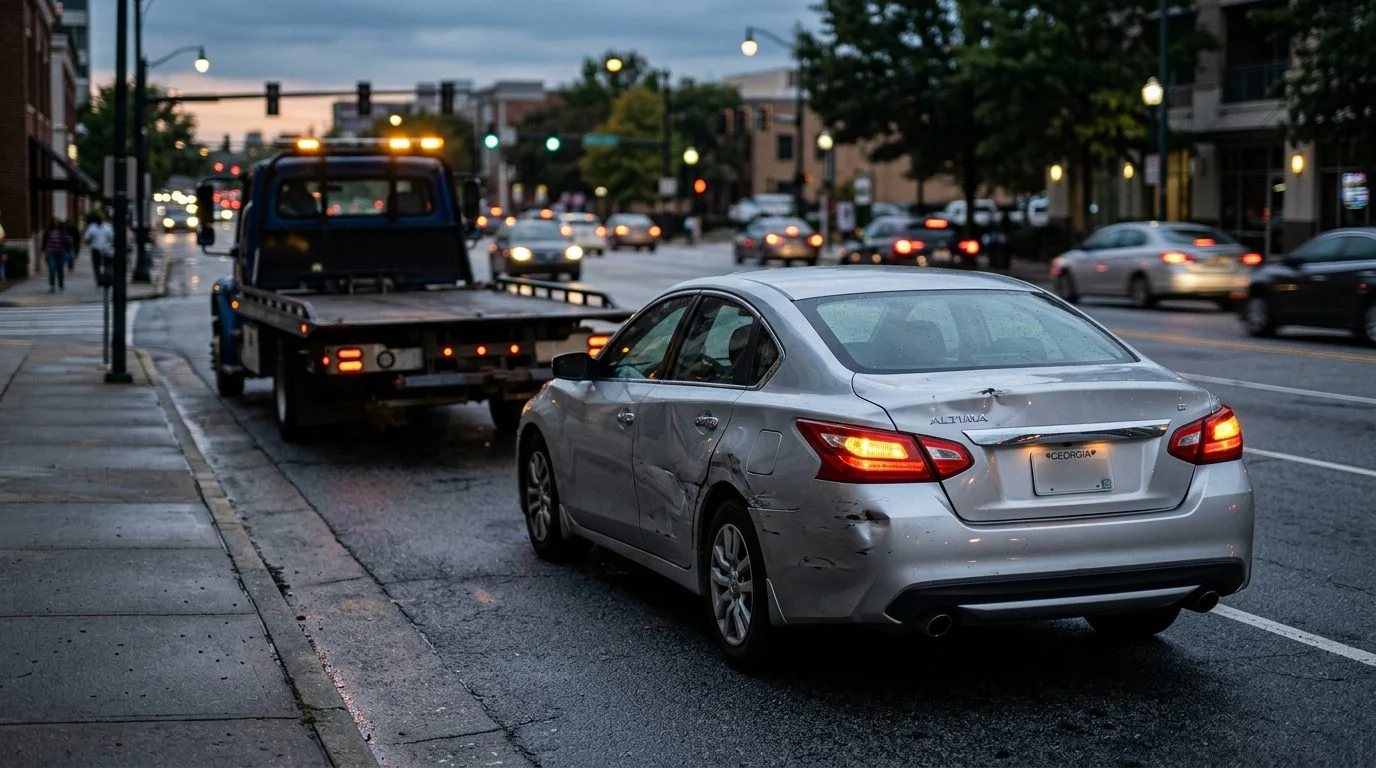
Car Accidents | Atlanta, Georgia
Dashcam Footage After a Serious Car Accident in Georgia
Learn why original, unedited dashcam video matters, how to keep it safe, and how Ugwonali Law Group can help you make sense of the evidence after a serious crash.
By Adanna Ugwonali · Published October 28, 2026
Dashcam video and phone data can be the clearest record of how a Georgia car or truck crash happened. Much of it can be overwritten or lost within days. Saving what you control right away is the first step. This guide explains what to keep, who else may hold evidence, and how Georgia’s deadlines work.
Why Dashcam and Phone Evidence Matters After a Serious Crash
Dashcam video and phone data can show what happened in the seconds before a crash. Video can show speed, lane position, traffic signals, and the path of each vehicle. Phone records can show whether a driver was on a call or texting at the time.
Injury claims depend on proof of how the crash happened and how the injuries occurred. Medical records and police reports matter. Objective recordings often help when drivers tell different stories.
Fault matters too. Under Georgia’s fault-reduction rule, a plaintiff who is 50 percent or more at fault recovers nothing. Under O.C.G.A. § 51-12-33, a judge reduces the damages otherwise awarded to a plaintiff in proportion to the plaintiff’s percentage of fault.
Evidence saved early is more useful. Footage and records can be deleted or lost through normal device and carrier retention cycles.
If dashcam video or phone records from your crash are on your mind after fractures or hospital care, you don't have to sort out what to save alone. Our team can talk it through with you in a free, confidential first consultation. Talk it through with our team — the first consultation is free, confidential, and carries no obligation.
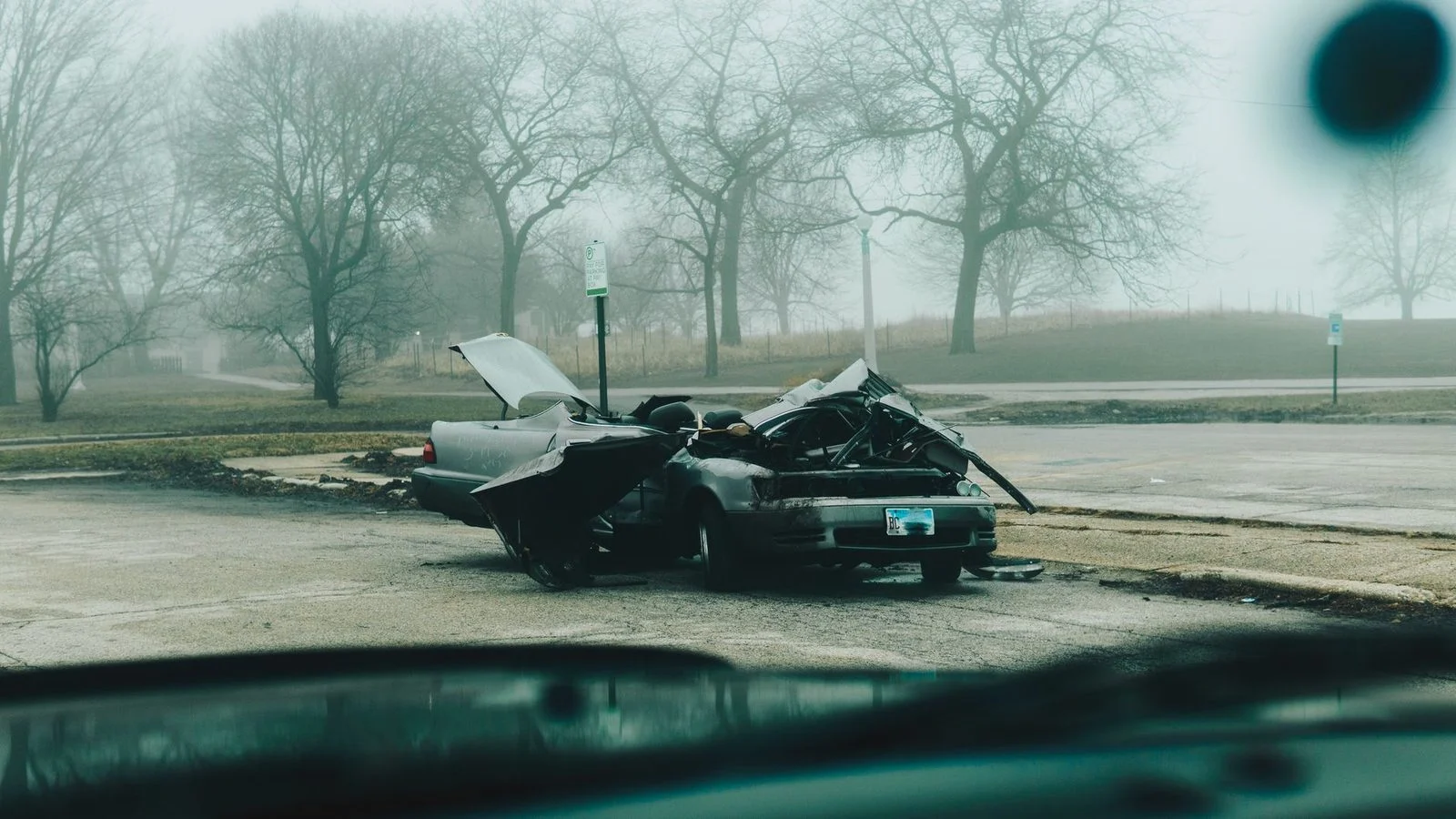
What to Save From Your Own Dashcam and Phone Right Away
Save the original dashcam file from the memory card or cloud account. A screen recording of the video is not the same thing. Keep the date and time stamps intact.
Back up the footage to a second location. Don’t edit, trim, or re-save the original file. Editing can make it harder to show what the camera actually recorded.
Photograph the scene, the vehicle damage, your injuries, and the road and weather conditions. Keep the original image files, since they carry metadata such as time and location.
Save call logs, text messages, and app-based location or navigation history from around the crash time. Write down the exact time you remember the crash happening.
Don’t delete messages or apps after a crash. The full record may show what happened in the minutes before and after the collision.
Evidence Held by the Other Driver, Carriers, and Nearby Businesses
Much of the key evidence sits with other parties. Some of it is overwritten on short schedules.
The other driver’s phone records are held by the wireless carrier. They are usually obtained through a formal legal process, not a simple request.
Commercial trucks may carry electronic logging devices. Federal retention rules set minimum periods for records that companies subject to this part must keep, as provided in appendix A. After those periods, companies may destroy records at their own discretion, but this part does not excuse compliance with the lawful requirements of any other governmental body that prescribes longer retention periods. That is why early written requests matter.
Phone evidence from a truck driver can matter for that reason.
Nearby businesses, traffic cameras, and building security systems often record over footage on short cycles. Gather witness names, phone numbers, and statements while memories are fresh. Note the police report number. Georgia Department of Transportation crash reporting describes how crash data and reports are handled in Georgia.
How Preservation Requests and Spoliation Work in Georgia
A preservation request is a written notice. It asks another party to keep specific evidence while a claim is pending. Examples include footage, phone data, vehicle data, and maintenance records.
A strong request names the exact items. It also lists the date and time range of the crash. It names the people or companies believed to hold each item.
Spoliation is the loss, alteration, or destruction of evidence that a party knew, or should have known, would matter to a claim. Georgia handles lost evidence inside the lawsuit. A court can respond in different ways, depending on the facts.
Sending a clear request promptly helps show the other side knew what needed to be kept. Prompt requests also reduce the chance of an argument that the loss was a surprise.
Time Limits for Georgia Car Accident Claims
The rule has exceptions, so the exact date depends on the facts. Track the date from the day of the crash, and write it down.
Damages rules also shape the evidence you need. Special damages must be proved to be recovered. Keep bills, treatment notes, and prescriptions.
Footage and carrier records can disappear well before a filing deadline. Waiting until the deadline to gather evidence is often not practical. Missing a deadline can bar a claim, so keep a written timeline from day one.

Talk to Ugwonali Law Group About Your Footage and Phone Records
How do I start preserving evidence after a Georgia crash?
Save original files first, then send written requests to other parties. Keep a dated list of every item and every request.
Can dashcam footage help a Georgia car accident claim?
Original dashcam files can show how a crash happened. That is why they are worth preserving in their unedited form.
What if the other driver deletes footage?
Put the request in writing and keep a copy. A court can respond to lost evidence within the lawsuit, based on the facts.
If you are deciding what to do with dashcam video, phone data, or the other driver’s records after a crash that caused fractures, hospital care, or ongoing treatment, you don’t have to decide alone. Contact Ugwonali Law Group for a free, confidential first consultation, with no obligation to continue. Intake staff can help in English or Spanish. The firm is at 3400 Peachtree Road NE, Atlanta, Georgia, and you can reach the firm here.
Responsible attorney: Adanna Ugwonali, Ugwonali Law Group, 3400 Peachtree Road NE, Atlanta, Georgia. Contact: attorneyadanna.com/contact.
Why Original Dashcam Files Matter
Unedited originals
The original file, with its metadata and timestamps, is usually more useful than a clip or screenshot sent to a phone.
Timing of the crash
Footage can show the sequence of events, the speed of vehicles, and the time between a warning and an impact.
Protection against lost evidence
Many systems overwrite older recordings automatically, so saving footage early helps keep it from being lost.
Support for medical records
Video that shows how a crash happened can help explain the injuries described in your medical treatment records.
Important: Do Not Edit or Post the Footage
Avoid trimming, filtering, or re-recording the video, and avoid posting it on social media. Changes can make the original harder to verify, and public posts can be used against you. Keep the untouched file and a copy stored in a second safe place.
How to Preserve Dashcam Evidence
1. Save the original file
Remove the memory card or export the original recording from the device as soon as you safely can. Keep the file in its native format.
2. Make a dated list
Record what you saved, the device used, the date and time of the crash, and where each file is stored.
3. Send written requests
Ask the other parties and their insurers in writing to preserve any footage, data, and records they hold about the crash.
4. Share with your attorney
Bring the original files and your list to your attorney so the evidence can be reviewed and handled properly from the start.
Have Dashcam Footage From a Serious Crash? Ugwonali Law Group Can Help
Related practice areas
- Car Accidents in Georgia: What Injured People Should Know Before They Call a Lawyer
- Car Accidents in Atlanta