


Traumatic Brain Injury | Atlanta, Georgia
How a Fractured Skull Is Treated, and What Comes Next
A plain-language guide to the types of skull fractures, the medical steps doctors take, and how a serious head injury can affect your life and your family. Ugwonali Law Group serves injured people across metro Atlanta and Georgia.
Working With Our Firm
Free
First consultation, confidential and with no obligation
EN / ES
Intake in English or Spanish
Atlanta
3400 Peachtree Road NE, Atlanta, GA
By Adanna Ugwonali · Published November 7, 2026
A fractured skull is usually treated by first checking the brain, then choosing between careful hospital monitoring and surgery. The right path depends on the type of fracture, where it sits, and whether the brain was hurt. This guide explains those steps in plain language, along with warning signs and what recovery can involve. If you’re reading this while a family member waits for test results, you’re not alone with these questions.
What a Fractured Skull Means
A skull fracture is a break in one of the bones that form the skull. MedlinePlus The skull is a hard shield around the brain. So the first concern after a fracture is whether the brain was injured too.
Skull fractures are often found together with a traumatic brain injury. That means the medical team looks at the brain as well as the bone. A fracture on a scan doesn’t always show how much the brain was affected.
A person can seem alert and talk normally after a hard blow to the head. Because symptoms can change over time, people with a significant head impact are usually checked in a hospital, even if they say they feel fine.
If a crash or fall has left someone you love with a head fracture, you don't have to sort out the medical and legal questions alone. Our team is ready to talk whenever you are. Talk it through with our team — the first consultation is free, confidential, and carries no obligation.
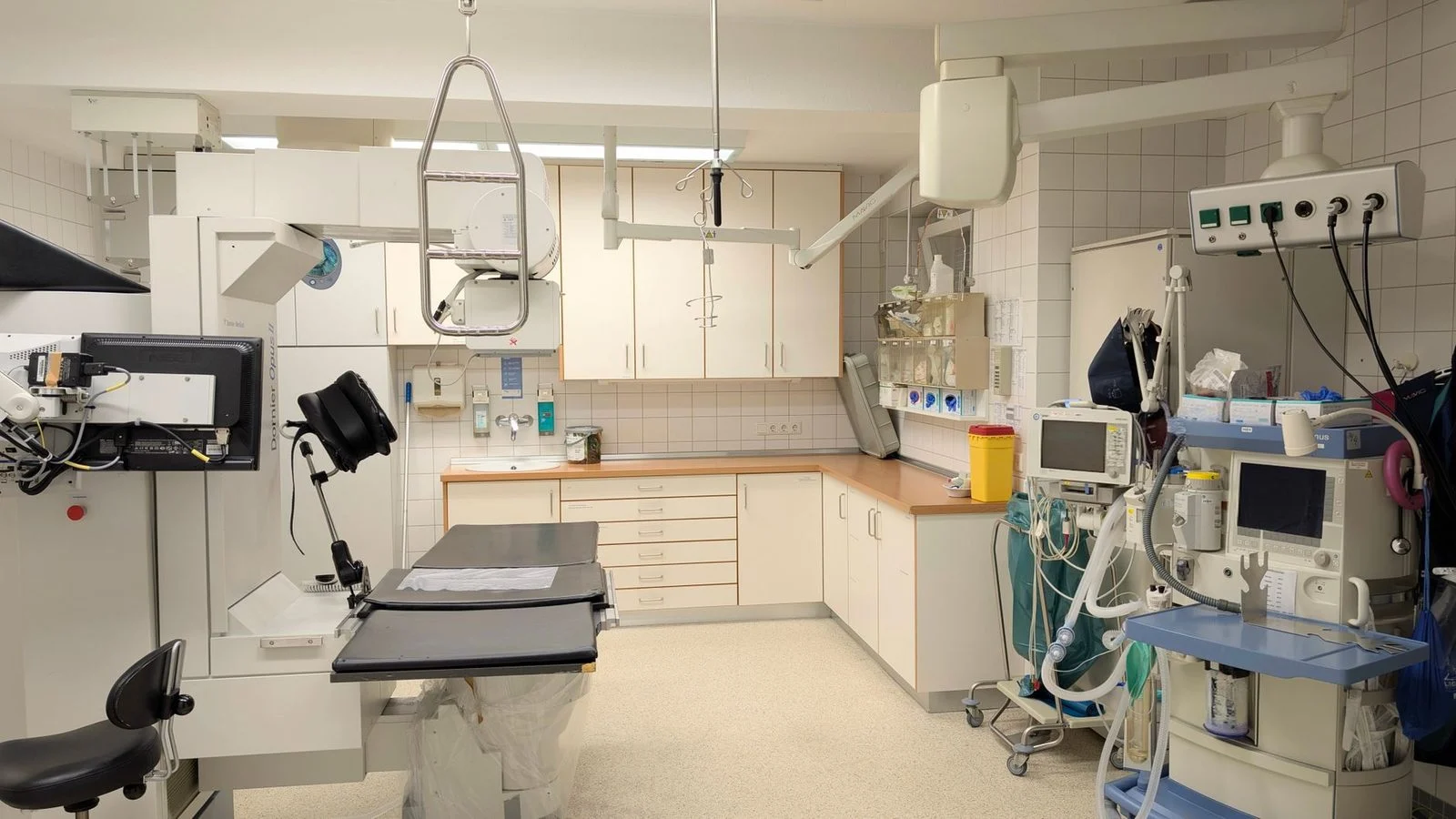
Types of Skull Fractures
The type and location of a skull fracture shape which treatment path the medical team considers. Cleveland Clinic describes skull fractures by type, including linear, depressed, and skull base fractures.
Linear fractures are thin, line-shaped breaks. They can be nondisplaced, meaning the bone stays in place, or displaced, meaning the bone has shifted.
Depressed fractures are breaks where a section of bone is pressed inward. This type is where surgical questions most often come up.
Skull base fractures happen in the bones at the bottom of the skull. They can be harder to see on imaging. They can also affect nearby nerves, the ear, and the sinuses.
Open fractures break through the scalp as well as the bone. The wound creates a risk of infection, so cleaning and care become urgent.
Diastatic fractures involve separation of the joints between skull bones, called sutures. They are more common in young children.
How Doctors Evaluate a Suspected Skull Fracture
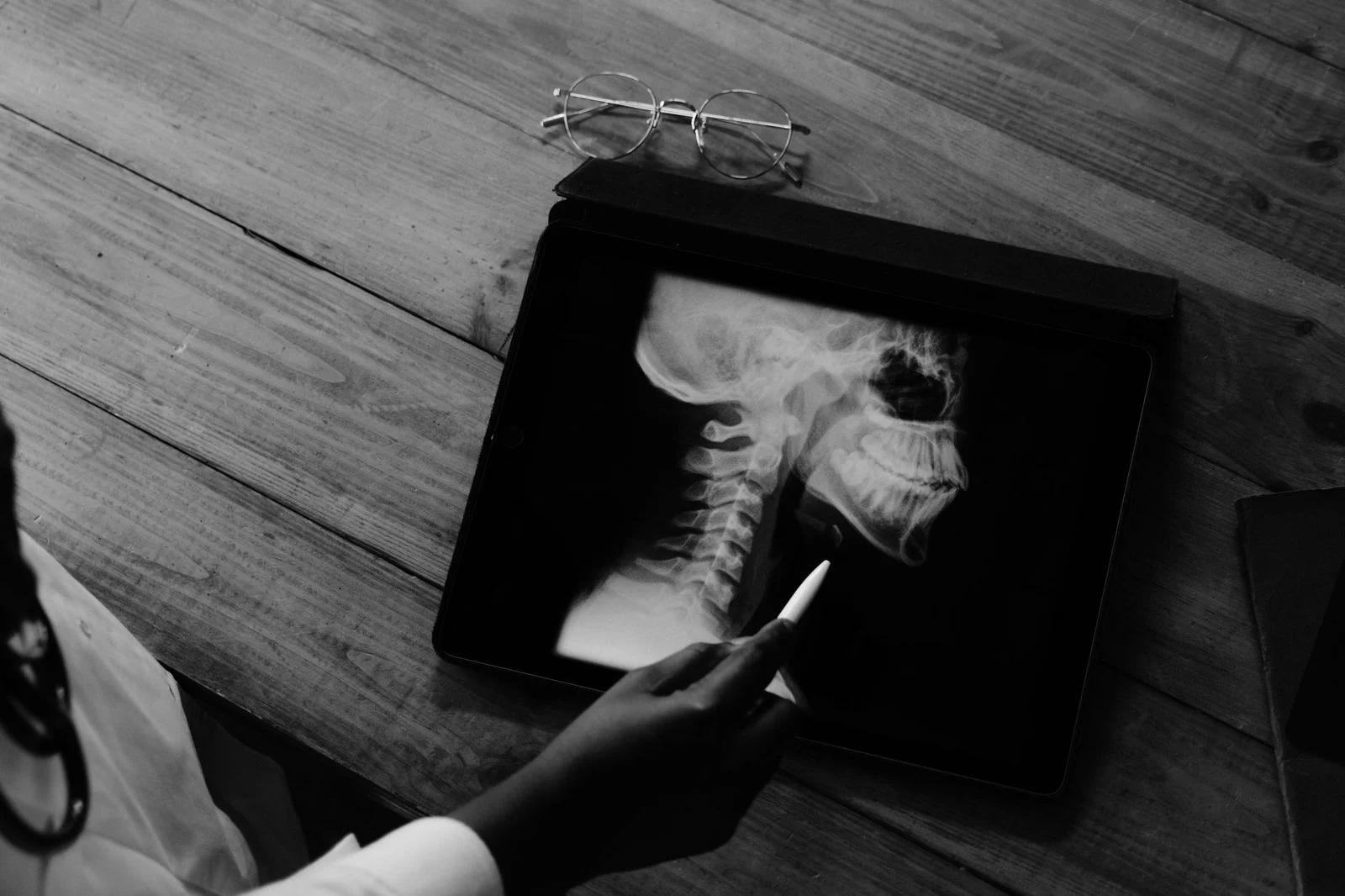
Doctors start with a fast neurological exam. The exam checks alertness, speech, pupil response, movement, and balance. Then imaging, such as a CT scan, shows the fracture pattern and any bleeding inside the skull.
A neurosurgeon may be consulted when imaging shows bone out of place, bleeding, or brain swelling. Not every patient needs that consult. The team may order repeat imaging if symptoms change, because bleeding can develop after an earlier scan looked stable.
The emergency visit usually creates the first written record of the injury. Keep copies of everything the hospital gives you. That record matters later, both for the family and for any legal questions.
Treatment Options for a Fractured Skull
Many skull fractures are managed without surgery, while some need an operation. Cleveland Clinic explains that the type and location guide the options. Treatment depends on the facts of each case, and only the treating medical team can decide the right plan for a specific patient.
Nondisplaced linear fractures. Without brain injury, these are often watched in the hospital. Care can include neurological checks, pain control, raising the head of the bed, and activity limits. Discharge instructions follow once the team is satisfied.
Depressed fractures. Surgery to lift the bone back into place, often called elevation, is commonly considered. It may be considered when the depression is significant, when there is brain injury or bleeding, or when the protective membrane is torn. Cosmetic concerns can also be part of the discussion.
Open fractures. The wound is cleaned, and damaged tissue is removed. This is called debridement. Antibiotics are given when the team judges them necessary to lower infection risk.
Skull base fractures. These are often treated with supportive care and close monitoring. Teams watch for complications such as leaks of cerebrospinal fluid (the clear fluid around the brain and spinal cord), infection, or nerve problems. Not every skull base fracture needs surgery.
Medicines and monitoring. Pain medicine is common. Some patients receive anti-seizure medicine. Blood pressure and oxygen levels may be watched closely during hospital care.
Warning Signs That Need Emergency Care
A worsening headache, repeated vomiting, confusion, or unequal pupils are reasons to get emergency care right away. Other warning signs include drowsiness, trouble waking up, seizures, weakness or numbness, slurred speech, and clear fluid from the nose or ears. You can read more about skull fracture symptoms on MedlinePlus.
A skull base fracture can cause bruising around the eyes or behind the ears. That bruising can appear hours or even days after the injury. Look for it, especially in the first days after a crash or fall.
Don’t leave a person with a head injury alone. Watch for changes in behavior, memory, or alertness. Tell the treating team about any change, even a small one.
Recovery, Follow-Up, and Long-Term Effects
There’s no single recovery timeline. Fracture type, brain injury, age, and overall health all shape how a person heals. Some people recover with rest and monitoring. Others need surgery and a longer rehabilitation period.
Follow-up often includes repeat imaging, visits with a neurologist or neurosurgeon, and check-ins with a primary care doctor. Persistent symptoms such as headaches, dizziness, memory or focus problems, fatigue, mood changes, or sleep trouble should be reported to the treating doctor.
Keep a written symptom journal with dates and details. Save discharge papers, imaging reports, surgical notes, and bills. These records show what happened and what care followed.
Not sure what your next step is?
Talk it through with our team — the first consultation is free, confidential, and carries no obligation.
How a Fractured Skull Can Affect a Legal Claim in Georgia
When a skull fracture comes from a crash, a fall, or unsafe property, medical records become central proof. Georgia law limits recoverable medical costs. Under O.C.G.A. § 51-12-1.1(b), special damages for medical and healthcare expenses are limited to the reasonable value of medically necessary care, treatment, or services. The trier of fact decides that amount.
Complete records help show the link between the incident and the injury. That includes emergency room notes, scans, surgical reports, and follow-up visits. Crash reports can matter too. The Georgia Department of Public Safety explains how to request Georgia State Patrol crash reports through a local post or its Open Records Unit.
Separately, under O.C.G.A. § 9-3-33, except as otherwise provided in that article of Georgia law, a lawsuit for injuries to the person must be brought within two years after the right of action accrues, but a lawsuit for injuries to the reputation must be brought within one year, and a lawsuit for injuries to the person involving loss of consortium must be brought within four years. Other deadlines can apply depending on the situation.
This page is general educational information, not legal advice about any specific case. To learn more, read our guide to traumatic brain injury after a crash in Georgia.
Talk With Our Team About Your Situation
If a crash or fall has left someone you love with a head fracture, you may be spending long hours in a waiting room. You may have questions that no one has fully answered yet. Our team at Ugwonali Law Group can talk through those questions with you by phone. The first consultation is free, confidential, and comes with no obligation to continue. Intake staff can speak with you in English or Spanish. You can reach us through our contact page.
How is a fractured skull treated?
Treatment depends on the fracture type and any brain injury. Some fractures are managed with hospital monitoring, while others need surgery.
Does a skull fracture always need surgery?
Not always. Surgery is commonly considered for depressed or open fractures, or when there is brain bleeding.
What warning signs need emergency care?
A worsening headache, repeated vomiting, confusion, seizures, or unequal pupils need prompt emergency care.
How long do you have to file a lawsuit in Georgia?
Georgia generally requires these injury actions to be brought within two years after the right of action accrues.
Adanna Ugwonali is the responsible lawyer for this page. Ugwonali Law Group, 3400 Peachtree Road NE, Atlanta, Georgia. This page is general information only. Nothing here predicts how any claim will turn out.
What Our Team Can Help You Understand
Your Medical Records
Imaging reports, hospital notes, and treatment plans help explain what happened and what care you may need next.
Your Recovery Path
Brain and skull injuries can affect memory, mood, and daily tasks. We help you think through the long-term picture, not just the first weeks.
Your Family's Concerns
Medical bills, lost work, and changes at home affect everyone close to you. We explain the process in terms your whole family can follow.
The Legal Process
We walk you through how a personal injury claim generally works, step by step, so you know what to expect before you decide anything.
Seek Emergency Care Right Away
Call 911 or go to the nearest emergency room if someone has a head injury with a skull fracture and shows confusion, repeated vomiting, a seizure, unequal pupils, clear fluid from the nose or ears, weakness, or trouble staying awake. Medical care comes first. Legal questions can wait.
Common Steps in Skull Fracture Care
Emergency Evaluation
Doctors check breathing, blood pressure, and neurological function, then use CT scans or other imaging to see the fracture and any bleeding or swelling inside the skull.
Hospital Monitoring
Many fractures without bleeding or displacement are watched closely in the hospital for changes in alertness, vision, or behavior over the following hours or days.
Medications and Pressure Control
Doctors may use medicines to control swelling, prevent seizures, manage pain, and keep blood pressure in a safe range while the brain heals.
Surgery When Needed
Surgery is commonly considered for depressed or open fractures, or when bleeding presses on the brain. Procedures vary widely depending on the injury.
Rehabilitation and Follow-Up
Physical, occupational, speech, and cognitive therapy, along with regular medical follow-up, can help address lasting effects of the injury.
Have Questions About a Serious Head Injury?
Talk With Us. Your First Consultation Is Free and Confidential.