


Traumatic Brain Injury | Atlanta and Georgia
A Normal CT Scan Does Not Mean Your Brain Injury Is Not Real
Ugwonali Law Group helps people with serious head injuries understand what a normal CT result can and cannot tell them, and how symptoms, medical follow-up, and records fit into a claim. Our first consultation is free and confidential.
How We Work With You
Free
First consultation, confidential and with no obligation to continue
EN / ES
Intake in English or Spanish
Atlanta
Office at 3400 Peachtree Road NE, Atlanta, GA
By Adanna Ugwonali · Published October 28, 2026
Short Answer: A Normal CT Does Not Automatically End a Brain Injury Claim
A normal CT scan does not mean a brain injury did not happen. It means the scan did not show the kinds of changes it is built to find. Whether a claim is viable depends on the facts of the crash, the medical records, and the symptoms that continue over time.
If you were told a head CT was normal, you may feel relieved, confused, or both. Many people still have headaches, trouble concentrating, or dizziness, and they wonder why. Family members often ask the same questions on someone else’s behalf.
This page works through those questions step by step. It explains what a CT can and cannot show, how brain injuries are diagnosed, what evidence matters in a Georgia claim, and which deadlines to understand early. For a broader overview, read our traumatic brain injury after a crash in Georgia guide.
If a normal scan has left you unsure what's wrong, you don't have to sort out the medical and legal questions alone. Our team can talk through your situation with you. Talk it through with our team — the first consultation is free, confidential, and carries no obligation.
What a CT Scan Is Designed to Show
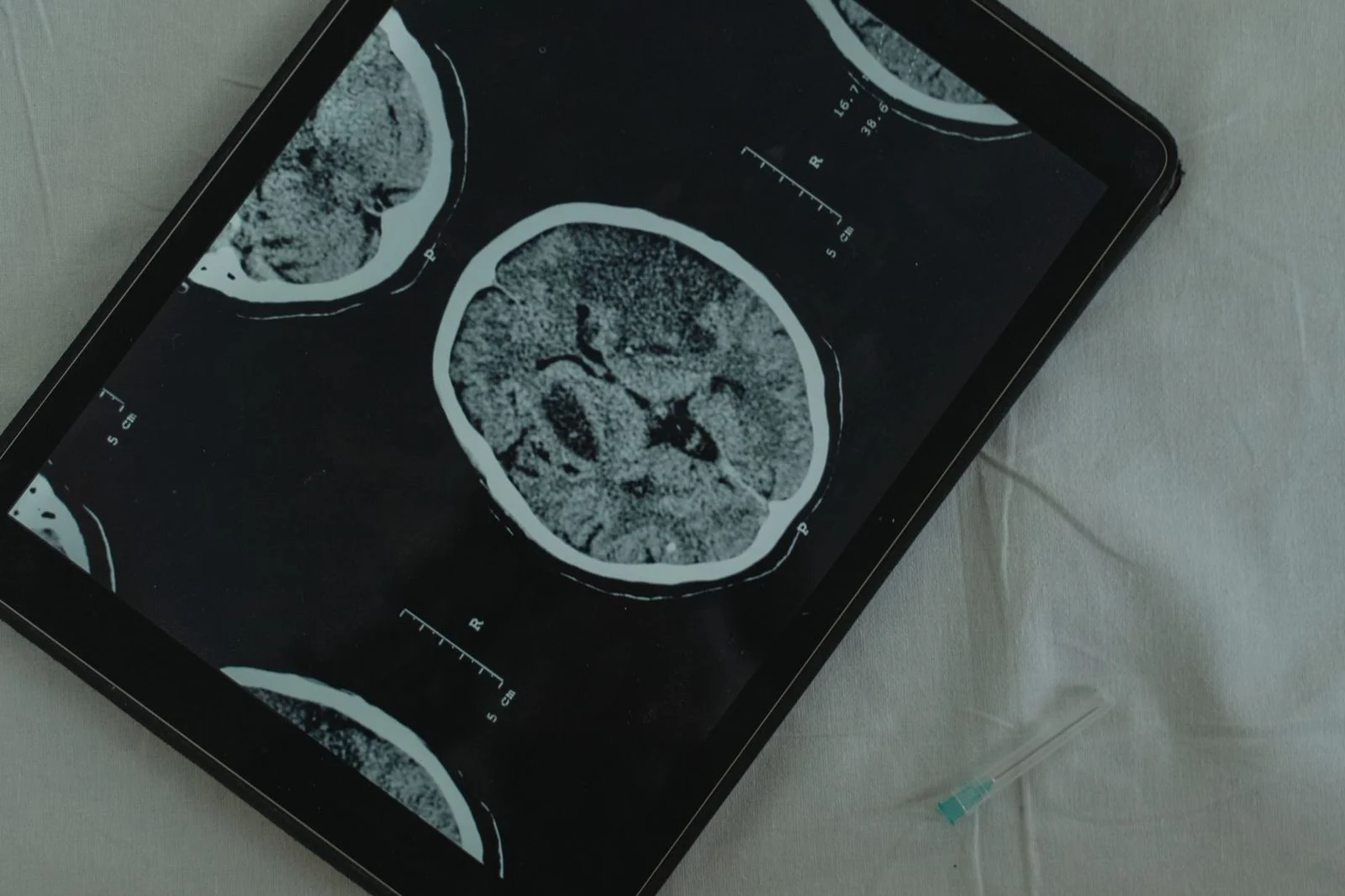
A CT scan is a fast imaging test that takes detailed cross-section pictures of the head. Doctors often use it soon after a crash because it can be done quickly. Its main strength is finding larger, visible problems that may need urgent care, such as bleeding, a skull fracture, or swelling that presses on the brain.
That strength is also its limit. A CT is not built to show every change in brain tissue. Subtle injuries to the connections between brain cells often do not appear on it. When a doctor wants a more detailed picture, they may order an MRI.
So a normal CT means the scan did not show those specific problems. It does not mean the brain is healthy. Treat a normal result as one piece of the medical picture, not the final answer.
Insurance companies may still point to a normal scan to argue that an injury was minor. That is one reason the rest of the medical record matters so much.
Why a Brain Injury Can Exist With a Normal CT
A brain injury can be real even when the CT looks normal. The American Association of Neurological Surgeons explains that a traumatic brain injury may result from a blow, a jolt, or a penetrating injury that disrupts normal brain function. A crash can cause that kind of jolt. Automobile crashes are a known cause of these injuries, according to the Administration for Community Living.
Concussion is a form of mild traumatic brain injury. Some of its effects involve how the brain works, not just how it looks on a picture. Diffuse axonal injury is different. It involves tiny stretching or tearing of nerve fibers when the head moves suddenly. Standard imaging can miss it.
Symptoms can be real even when imaging looks normal. Common ones include:
- Headaches
- Memory problems
- Dizziness
- Sensitivity to light or noise
- Mood changes
- Sleep disruption
Some doctors order MRI, including advanced MRI sequences, when symptoms continue. Whether that test is needed is a medical decision for the treating doctor.
How a Traumatic Brain Injury Is Diagnosed Beyond Imaging
Diagnosis usually comes from the whole clinical picture, not from one scan. Doctors look at how the injury happened, the neurological exam, the symptoms reported, and how those symptoms change over time.
Emergency teams may record a Glasgow Coma Scale score. This score rates how awake a person is and how well they respond. It is recorded soon after the crash, so it captures early condition.
Follow-up care can include a visit with a neurologist, cognitive or neuropsychological testing to check memory and thinking, and vision or balance evaluation. Therapy can be tailored to the symptoms a person has. Each step creates records.
Notes from every visit matter. That includes urgent care, emergency room, and primary care records. Together, they form the picture a doctor uses to describe the injury. Gaps in treatment can make it harder to show how symptoms developed.
What Evidence Matters in a Georgia Brain Injury Claim
Consistent care from a medical doctor, followed through on the recommended plan, matters most. Georgia law limits medical expense recovery. Special damages for medical and healthcare expenses are “limited to the reasonable value of medically necessary care, treatment, or services” under § 51-12-1.1. Both sides may challenge the reasonableness of those costs and whether treatment was medically necessary.
Georgia also separates general damages from special damages. General damages are those the law presumes to flow from a wrongful act. Special damages, such as medical bills, must be proved, as stated in § 51-12-2.
Other evidence can help a normal CT scan brain injury claim in Georgia. It can include:
- A symptom timeline written soon after the crash, with the date each symptom began and how it affects work, driving, and home life.
- Crash records, such as police reports, photos, vehicle damage, and witness information.
- Accounts from people who knew the injured person before the crash, which can show changes in memory, mood, or daily function.
A normal CT is weighed together with all of this. It is not read alone.
Timing Matters: Georgia Deadlines to Understand Now
Georgia generally allows two years to file a lawsuit for injury to the person. § 9-3-33 says these actions “shall be brought within two years after the right of action accrues.” The statute includes exceptions, so the exact date depends on the facts.
Fault also matters. Under § 51-12-33, damages are reduced in proportion to the injured person’s percentage of fault. A person who is 50 percent or more responsible for the injury is not entitled to receive damages. Each person found at fault is responsible for their own share.
Don’t assume time pauses while symptoms settle or test results come back. Waiting can use up time you may need to protect a claim. Reviewing the timing early gives you more options.
Not sure what your next step is?
Talk it through with our team — the first consultation is free, confidential, and carries no obligation.
Practical Steps While Your Medical Care Continues
Keep following up with your doctor, even if the CT was normal. Report every symptom, including ones that seem minor. Your doctor can only treat what they know about.
Keep a daily symptom journal. Note the date, the severity, what seems to trigger the symptom, and how it affects work, sleep, and family responsibilities. Save every bill, prescription receipt, mileage log, and insurance letter. Keep copies of all medical records.
Necessary costs from an injury count. Under § 51-12-7, “necessary expenses consequent upon an injury are a legitimate item in the estimate of damages.”
Frequently Asked Questions
Can I still pursue a normal CT scan brain injury claim in Georgia?
A normal CT does not by itself end a claim. Whether a claim is viable depends on the facts, the medical records, and symptoms over time.
How long do I have to file in Georgia?
Georgia generally allows two years for injury-to-the-person actions under § 9-3-33. The statute has exceptions, so check the facts of your case.
Should I keep seeing a doctor if my scan was normal?
Yes, keep your follow-up visits and report ongoing symptoms. Your treating doctor decides which tests are needed.
Talk With Ugwonali Law Group About Your Situation
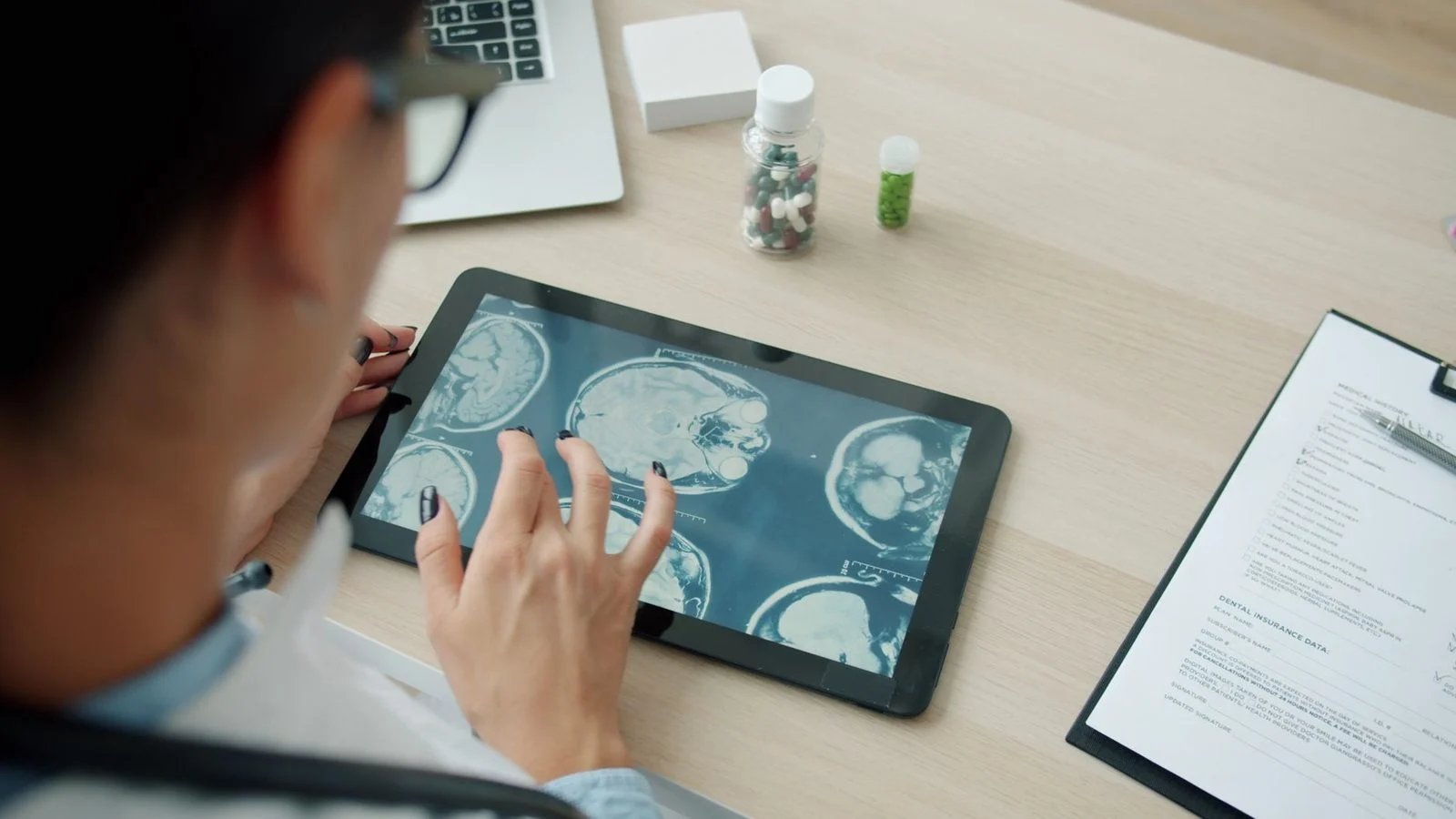
A normal scan can leave you or a loved one with real symptoms and no clear answer. That uncertainty is hard, especially while care is still going on. You don’t have to work out the medical and legal questions by yourself.
Ugwonali Law Group represents people seriously hurt in car and truck crashes, and families in wrongful death cases, across metro Atlanta and statewide in Georgia. The firm offers a free first consultation. It is confidential and carries no obligation to continue. Intake is available in English or Spanish.
If you’d like to talk through what happened, request a free case evaluation. Our team can walk through the process at your pace.
Disclaimer: This page is general educational information, not legal advice. Responsible lawyer: Adanna Ugwonali, Ugwonali Law Group, 3400 Peachtree Road NE, Atlanta, Georgia. Contact the firm through the contact page.
What Our Team Focuses On
Your Health Comes First
Brain injuries can change how you think, feel, and work. We encourage you to follow your doctor's advice and keep every appointment, even when you feel a little better.
Organized Medical Records
We help you gather ER records, imaging reports, follow-up notes, and work-related documentation so the full picture of your injury is clear.
Symptoms Over Time
Headaches, memory problems, dizziness, and mood changes often appear or grow in the days and weeks after a crash. We explain how these symptoms are documented.
Support for Families
When a brain injury affects the whole household, our team explains the process in plain language and keeps families informed at every step.
Important: Do Not Assume a Normal Scan Settles Your Case
A normal CT scan is one tool among many. Many brain injuries do not show clearly on a CT, and symptoms may develop or change over time. Talk with a doctor about ongoing symptoms, and contact our team to discuss your situation before you decide what to do.
Steps to Take After a Head Injury Crash
Get Medical Care
Seek evaluation from a medical doctor even if your first scan looks normal. Describe every symptom you notice, including ones that seem minor.
Keep a Symptom Journal
Write down headaches, sleep changes, memory lapses, and emotional changes each day. This record can help your doctors and your legal team understand your recovery.
Save Your Records
Keep discharge papers, imaging reports, prescriptions, bills, and letters from your employer. Do not throw away anything related to your injury.
Call for a Free Review
Our team can review the facts of your crash, your medical history, and your symptoms in a free, confidential first consultation with no obligation to continue.