


Clayton County · Total loss crashes and brain injuries
Hurt in a Clayton County Car Crash? Get Your Brain Injury Claim Reviewed Free
Your car may be totaled, but your injury claim is separate. Ugwonali Law Group helps Jonesboro and Clayton County drivers and passengers understand the legal and medical steps after a serious crash.
By Adanna Ugwonali · Published November 3, 2026
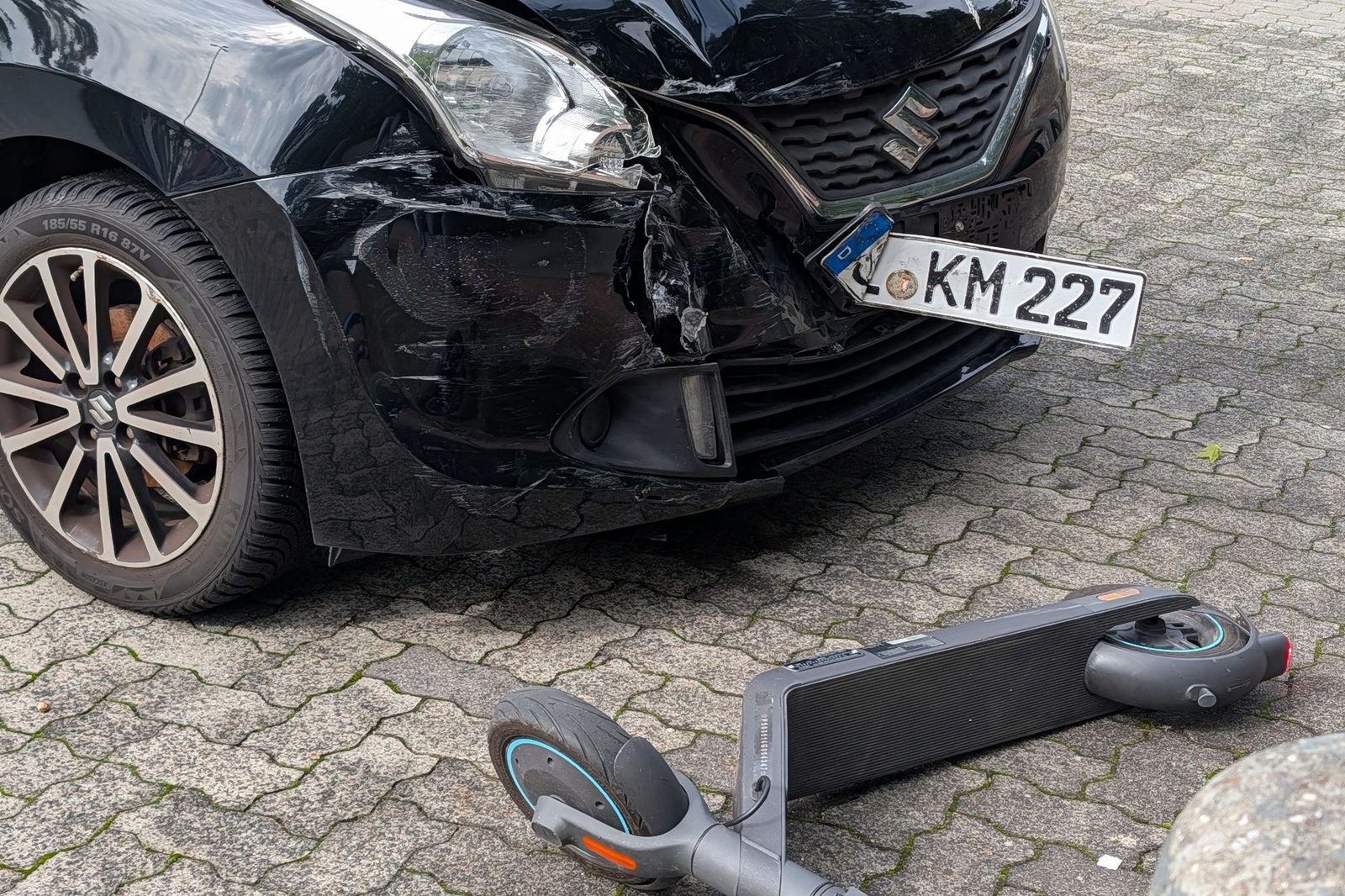
A total loss car crash with a brain injury in Clayton County creates two claims from one wreck. The car claim pays for the vehicle’s value. The injury claim pays for medical care and the losses that follow. Each claim has its own proof, its own insurance coverage, and its own timing. This page explains how they fit together for people in Clayton County and metro Atlanta.
Who This Page Is For and What a Total-Loss Crash With a Brain Injury Involves
A total-loss crash happens when repairing the vehicle would cost more than the car is worth. The insurer then declares the car totaled and pays its value instead of paying for repairs.
A brain injury can follow a crash even when the person never lost consciousness. Some symptoms, such as headaches, memory trouble, or trouble sleeping, may not show up until hours or days later. That delay is one reason the injury claim often needs more time than the car claim.
This page is written for the injured driver or passenger. It is also written for a spouse, parent, or adult child who is handling the claim for someone still recovering. The page focuses on serious injuries with real medical treatment, such as hospital care, brain imaging, and follow-up with a medical doctor.
If a crash left your car totaled and you're dealing with a head injury, you don't have to sort out both claims alone, and our team can talk it through with you. Talk it through with our team — the first consultation is free, confidential, and carries no obligation.

What the Vehicle Total-Loss Claim Covers
The vehicle claim pays the car’s actual cash value, which is its fair market value just before the crash. Insurers usually build that number from comparable sales, the car’s condition, its mileage, and its options. Check each figure in the offer. Look at the trim level, recent upgrades, and whether the comparable cars are truly similar to yours.
If you still owe a car loan, the payoff may be more than the car’s value. Gap coverage, if your policy includes it, may address that difference. Confirm the lender’s payoff amount before the title moves.
Other costs can belong to the vehicle side too. These include personal items left in the car, rental or loss-of-use costs, and towing and storage fees. Save receipts and written estimates for each one.
Keep the vehicle payment separate from the injury claim in your mind. The two are handled under different parts of an insurance policy.
What the Brain Injury Claim Covers
The injury claim seeks compensation for medical care, lost income, and the way the injury changes daily life. Under Georgia law, medical damages are limited to the reasonable value of medically necessary care, treatment, or services (O.C.G.A. § 51-12-1.1). Necessary expenses from an injury are a legitimate part of the damages estimate (O.C.G.A. § 51-12-7).
Common items in this claim include:
- Medical bills: emergency care, hospital stays, CT and MRI scans, neurology visits, rehabilitation, and prescriptions.
- Lost wages: time away from work for recovery, and any lasting drop in earning ability.
- Daily life: changes in memory, concentration, mood, sleep, and balance.
- Future care: ongoing treatment that a medical doctor documents, with recovery limited to the reasonable value of medically necessary care.
General damages are the effects the law presumes from a tortious act, and they can be recovered without proof of an exact amount. Special damages, such as bills and wages, must be proved (O.C.G.A. § 51-12-2).
Brain injury documentation takes time. Symptoms can change, and testing can take a while to complete. For background, read the symptom checklist and the medical testing guide.
How the Two Claims Connect and Where They Can Conflict
The two claims share the same crash evidence, including the police report, photos, and vehicle damage. A property payment does not close the injury claim. Insurers sometimes settle the car quickly while the injury is still being treated. Read every release before you sign it. Some releases cover only property damage, while others may reach injuries.
Fault matters in both claims. Under Georgia’s fault-sharing rule, damages are reduced in proportion to the injured person’s percentage of fault (O.C.G.A. § 51-12-33). A person who is 50 percent or more responsible for the injury cannot receive any damages under that rule.
Timing is also a factor. Georgia’s general deadline for injury-to-person claims is two years after the right of action accrues, except for injuries to the reputation, which have one year, and for actions for injuries to the person involving loss of consortium, which have four years (O.C.G.A. § 9-3-33). Track each claim’s timing on its own.
If the plaintiff has any form of public or private health insurance, Georgia law makes both the amounts charged and the amounts needed to satisfy the insurance contract relevant evidence, regardless of whether the health insurance has been used, is used, or will be used to satisfy such charges (O.C.G.A. § 51-12-1.1).
Coverage Sources to Review After a Crash in Clayton County
Several insurance sources may pay after a crash. Which ones apply depends on who was at fault, who was driving, and what coverage each driver carried.
- The at-fault driver’s liability policy. The amount of auto liability insurance an at-fault driver carries can affect how much coverage is available to an injured person, so the policy limits are an important early question in a crash claim. Higher limits may apply.
- Commercial or corporate policies. If the at-fault driver was working, such as in a delivery van or company car, a business policy may be involved.
- Medical payments coverage. Your own policy may pay medical bills under this part, depending on its terms.
- Collision coverage. This part of your own policy may pay the car’s value while other claims continue.
What to Expect: Steps and Timeline From the First Call
The process starts with medical care and a clear record of your injuries. It then moves to a free review of the facts.
- See a medical doctor and keep every appointment. Follow referrals for neurological testing.
- Gather records. Collect the police report, insurance information, photos, and receipts for the car, rental, and towing.
- Free case review. The intake team reviews the crash facts, your injuries, and your insurance information in English or Spanish. The first consultation is free, confidential, and without obligation to continue.
- Investigation and documentation. This includes requests for medical records, a review of the vehicle valuation, and a search for every coverage source.
- Negotiation. The firm presents the injury and property losses to insurers, with supporting records.
- Resolution. This may be a settlement or, if needed, a lawsuit. Timelines vary with the medical picture and the insurers involved, and recovery is hard to predict at the start.
Not sure what your next step is?
Talk it through with our team — the first consultation is free, confidential, and carries no obligation.
Why Work With Ugwonali Law Group on These Claims
Ugwonali Law Group is a personal injury firm led by attorney Adanna Ugwonali. The firm represents people seriously hurt in crashes across metro Atlanta and Georgia. Its work includes truck and car accidents, wrongful death, traumatic brain and spinal cord injuries, premises liability, and slip and fall cases. The firm also serves Clayton County and Jonesboro.
The firm’s office is at 3400 Peachtree Road NE, Atlanta, Georgia. Our team includes support staff who help with records, medical bills, and insurer communication. Intake is available in English and Spanish, so you can talk through your crash in the language you prefer.
Our attorneys explain the legal and medical process at each step. That way, you can make informed decisions about your claims.
Frequently Asked Questions About Total-Loss Crashes and Brain Injury Claims
Can I pursue the brain injury claim if the insurer already paid for my totaled car?
Yes. The injury claim is separate from the vehicle payment. Review any release before you sign it.
Do I need symptoms right away to have a brain injury claim?
Not always. Some symptoms appear later, so get checked promptly and report every symptom you notice.
What if the at-fault driver was working at the time?
A commercial or corporate policy may be involved. Our team reviews who was driving and for whom.
What if I owe more on my car loan than the car is worth?
Gap coverage, if your policy has it, may help. Confirm the lender’s payoff before the title transfers.
Is the first consultation free?
Yes. The first consultation is free, confidential, and without obligation to continue.
If a crash left your car totaled and you’re living with a head injury, you don’t have to face both claims alone. Contact Ugwonali Law Group at our contact page for a free, confidential first consultation.
What Clayton County crash victims often need to know
Vehicle payment and injury claim are separate
An insurer's payment for your totaled car does not settle a brain injury claim. Ask us before you sign any release or settlement paperwork.
Symptoms can appear later
Headaches, dizziness, memory trouble, or mood changes can follow a head impact. Keep every medical visit and tell your doctor about every symptom you notice.
Commercial coverage can matter
If the other driver was working, in a company vehicle, or covered by a commercial policy, additional insurance may be involved. We review the insurance picture with you.
Help in English or Spanish
Our intake team can speak with you in English or Spanish, and we explain each step of the process in plain language.
Do not sign a release yet
Insurance companies may ask you to sign papers quickly. Review any release with a lawyer first, because it can affect your injury claim even after your vehicle has been paid.
Steps to take after a Clayton County crash
Get medical care
See a medical doctor promptly, even if your symptoms seem mild. Brain injuries are not always obvious at the scene.
Document the crash
Keep the police report number, photos, repair estimates, medical bills, and records of any missed work.
Be careful with recorded statements
Talk with a lawyer before giving a recorded statement to an insurance adjuster or signing a release.
Request a free review
Contact Ugwonali Law Group for a confidential, no-obligation consultation about your crash and injuries.
Talk with Ugwonali Law Group about your Clayton County crash
Related practice areas
- Traumatic Brain Injury After a Crash in Georgia: A Plain-Language Guide