


Truck Accidents | Spinal Cord Injuries | Georgia
Truck Crash Spinal Cord Injuries: How Claims Work in Georgia
Plain-language answers on medical treatment, the claim process, and what to expect. Adanna Ugwonali and the team at Ugwonali Law Group in Atlanta offer free case reviews in English or Spanish.
About the firm
Free
First consultation, confidential and without obligation to continue
2
Languages: English and Spanish
Atlanta
3400 Peachtree Road NE, Atlanta, Georgia
By Adanna Ugwonali · Published October 21, 2026
A truck accident spinal cord injury in Georgia can change daily life and work for years. A claim for these injuries may involve the truck driver, the trucking company, or the employer, depending on the facts. This page explains how these claims work, what they can cover, and the deadlines that matter.
What a Truck Accident Spinal Cord or Brain Injury Claim Is
A truck crash injury claim asks for compensation for harm that a commercial truck driver’s negligence caused. Negligence means carelessness that falls below what a reasonable person would do. Serious cases often involve spinal cord injuries, traumatic brain injuries, multiple fractures, or a death.
These claims usually fit people who have real medical treatment. That includes hospital care, surgery, and diagnoses from a medical doctor. Families whose loved one died in a truck crash may also bring a wrongful death claim.
Commercial trucks differ from passenger vehicles. A tractor-trailer is much heavier. The trucking company usually keeps driver, maintenance, and dispatch records. Federal trucking rules also apply, so more records may be available to review.
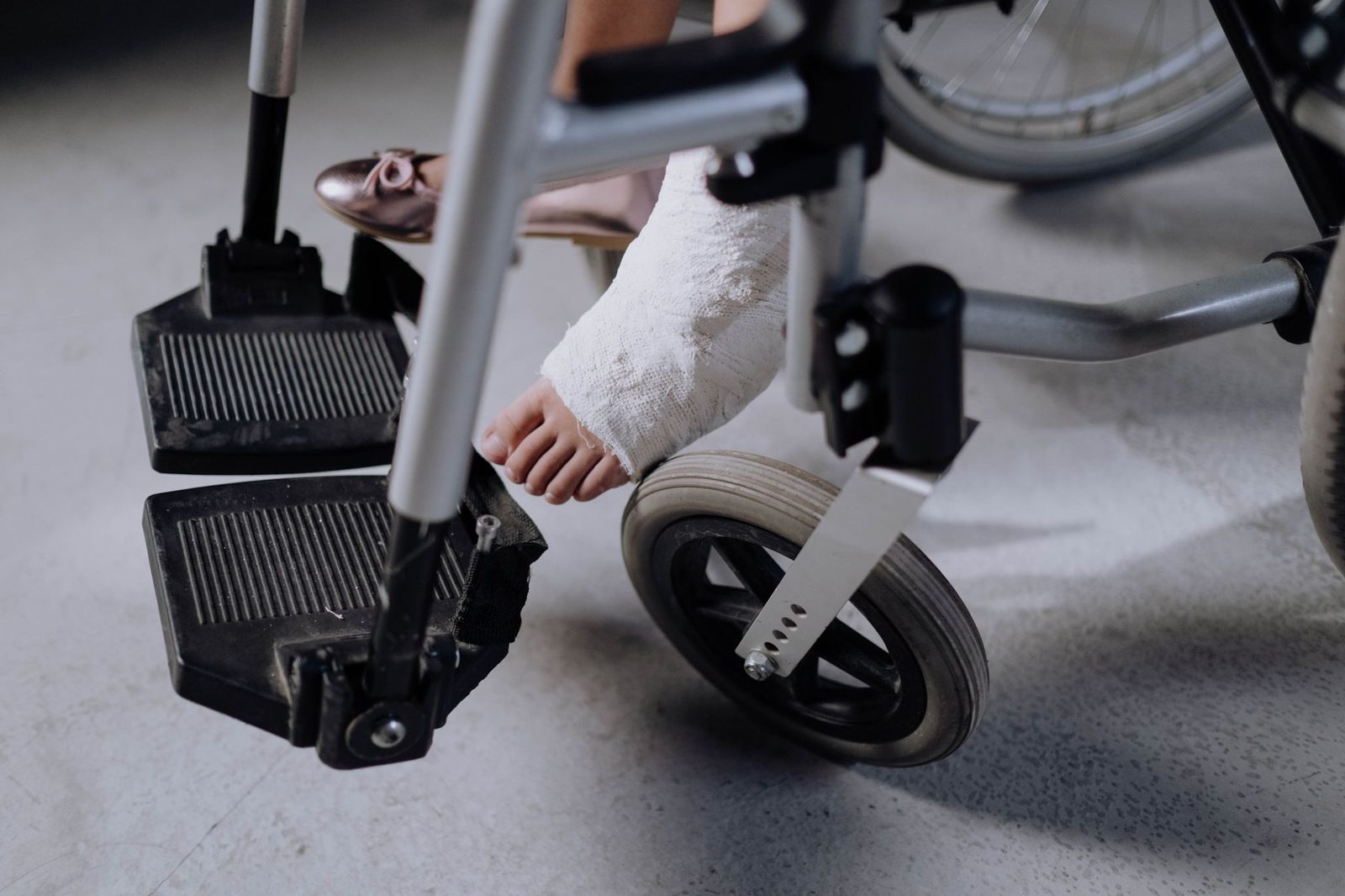
Spinal Cord and Brain Injuries: Why Medical Records Matter
Medical records are the core proof in a spinal cord or brain injury claim. Doctors’ notes, imaging, surgery reports, and therapy notes show what happened to the body and what care it needs.
A spinal cord injury affects the nerves that carry signals between the brain and the body. Doctors describe these injuries as complete or incomplete, and the level of injury on the spine matters for function. Research-based factsheets on life after spinal cord injury come from the Model Systems Knowledge Translation Center.
Brain injury symptoms can vary widely. Reporting every change to a doctor, even ones that seem minor, helps build a complete record. Consistent follow-up with treating doctors matters as much as the first emergency visit.
What a Claim Can Cover in a Serious Truck Crash Case
A claim can seek medical costs, lost income, future care, and other losses that Georgia law allows. General damages are presumed to flow from the wrong. Special damages, such as bills and lost wages, must be proven (O.C.G.A. § 51-12-2-2017-pdf.pdf)).
Medical expenses follow a specific rule. Under Georgia law, special damages for medical and healthcare expenses may not exceed the reasonable value of care that was medically necessary, and the trier of fact sets that figure (O.C.G.A. § 51-12-1.1-pdf.pdf)). If the injured person has any form of public or private health insurance, including workers’ compensation benefits, the evidence includes both the amounts charged and the amounts actually necessary to satisfy those charges under the insurance contract, regardless of whether the insurance has been or will be used to satisfy them.
Common categories include:
- Emergency care, hospital stays, surgery, rehabilitation, medication, and equipment.
- Future care a doctor says the person will need.
- Lost income and reduced ability to earn in the future.
- Pain and suffering, a general category of damages.
For a wrongful death claim where the death results from a crime or from criminal or other negligence, the deceased person’s personal representative is entitled under Georgia law to recover the funeral, medical, and other necessary expenses caused by the injury and death (O.C.G.A. § 51-4-5-2017-pdf.pdf)).
Who Can Be Responsible in a Georgia Truck Crash
The truck driver, the motor carrier, and the employer may all be responsible, depending on the facts. Under Georgia law, a person is liable for torts that an employee commits at that person’s command or in carrying out and within the scope of that person’s business (O.C.G.A. § 51-2-2-2017-pdf.pdf)).
Shared fault changes the outcome. An injured person who is 50 percent or more responsible for the injury or damages claimed is not entitled to receive any damages (O.C.G.A. § 51-12-33-pdf.pdf)). Each at-fault party pays only its own share.
Federal rules set minimum insurance for trucks. For many for-hire interstate carriers of nonhazardous property, the minimum is $750,000 (49 CFR 387.9). That is a floor, not the full value of a claim.
Key evidence includes:
- Duty-status records. Carriers must keep these for at least six months from the date of receipt (49 CFR 395.8).
- Driver error records.
Because records have set retention periods, asking for them early matters.
How a Spinal Cord or Brain Injury Claim Works, Step by Step
A claim usually moves from a free case review to medical care, investigation, a demand to the insurer, and sometimes a lawsuit. Timing depends on the facts of each case.
- Free case review. You share the crash facts and your medical situation with the intake team.
- Medical care comes first. Follow your doctor’s treatment plan. A lawyer does not replace medical care.
- Investigation. Requests go out for the police report, carrier details, and trucking records such as logs and maintenance files.
- Building the damages picture. The team organizes medical records, bills, wage records, and, where needed, views from treating providers on future care.
- Demand to the insurer. A written demand sets out the claim and the proof behind it.
- Lawsuit, if needed. If a fair resolution is not reached, the case can be filed in the appropriate Georgia court.
Spinal and brain injury cases can take longer than simpler claims. The full medical picture may need time to develop.
Deadlines and Steps to Protect a Claim in Georgia
Unless another provision applies, Georgia law sets a two-year deadline, counted from when the right of action accrues, for filing a lawsuit over injuries to the person. The same section sets one year for injuries to reputation and four years for injury claims involving loss of consortium (O.C.G.A. § 9-3-33-2023-pdf.pdf)). This is the general rule, and other provisions can change it.
Practical steps can protect your position:
- Keep every bill, discharge paper, and appointment record.
- Keep a journal of symptoms and how the injury limits daily life.
- Save photos, texts, and crash documents.
- Ask what a request is for before giving a recorded statement to the trucking company’s insurer.
- Ask a family member to help track appointments and gather records when the injured person cannot.
Why Ugwonali Law Group Handles Serious Truck Crash Claims
Ugwonali Law Group handles truck and car crash injuries, traumatic brain and spinal injuries, slip and falls, and wrongful death claims for families. Adanna Ugwonali is the responsible lawyer for this page.
The firm serves metro Atlanta, including Fulton, Clayton, Cobb, and Rockdale Counties and cities such as Marietta, Jonesboro, and Conyers. It also serves clients across Georgia. The office is at 3400 Peachtree Road NE, Atlanta, Georgia.
Intake staff take calls and chats in English or Spanish. Our team aims to explain each step in plain language from the first call onward.
Common Questions About Truck Accident Spinal Cord Injury Claims
Is the first consultation free?
The first consultation is free, confidential, and carries no obligation to continue.
Can a family file after a fatal truck crash?
Yes. Georgia provides for wrongful death recovery, and families can contact the firm for a free case review.
How long do I have to file?
Georgia generally requires most injury actions to be brought within two years after the right of action accrues. Your exact deadline depends on the facts.
Can I still recover if I was partly at fault?
Georgia reduces damages by your share of fault. You recover nothing if you are 50 percent or more responsible (O.C.G.A. § 51-12-33-pdf.pdf)).
Will my case go to court?
Some claims resolve before trial and some do not. The firm explains options as the case develops.
Can I get help in Spanish?
Yes. Intake staff take calls and chats in English or Spanish.
Talk With Us About Your Truck Crash
If a commercial truck left you or someone you love with a spinal cord or brain injury, you do not have to sort out the claim alone. You can request a free case evaluation through our contact page, or chat with our intake team in English or Spanish.
Adanna Ugwonali is the responsible lawyer for this page. Ugwonali Law Group, 3400 Peachtree Road NE, Atlanta, Georgia. This page is general information, not legal advice.
How our team approaches a spinal cord injury claim
Medical records come first
Spinal cord injuries are documented through hospital records, imaging, and notes from the treating medical doctor. We help you understand what those records say and why they matter.
Education before decisions
We explain the legal and medical process in plain language so you can make informed choices about your case at every stage.
Families included
Our team works with injured people and with families, including those facing a wrongful death after a fatal truck crash.
Support in English or Spanish
Intake staff can speak with you in English or Spanish, so you can describe your crash and treatment in the language you prefer.
Important: keep your medical care and records
Spinal cord injuries can change over time. Keep every medical record, bill, and appointment note, and tell your doctor about all symptoms, even ones that seem minor.
Common questions about these claims
Who might be involved?
A truck crash can involve the driver, the trucking company, and other parties. Identifying who was involved is part of investigating the crash, and it depends on the facts of each case.
What losses can a claim address?
Claims may look at hospital care, surgery, rehabilitation, lost income, and future medical needs. Every case is different, and no outcome can be predicted in advance.
What happens on the first call?
Intake staff will talk with you about the crash and your medical care. The first consultation is free, confidential, and carries no obligation to continue.
Why act sooner rather than later?
Evidence from a crash, such as photos, vehicle data, and witness information, can be lost over time. Reaching out early helps preserve important details.