

Atlanta and statewide Georgia | Catastrophic Injury
Hurt in a Rollover Crash? Learn What Comes Next, Step by Step.
Plain-language guidance for Georgia families facing serious medical care, insurance calls, and hard decisions after a rollover, from Ugwonali Law Group.
How We Work With You
Free
Case reviews
EN / ES
Intake in English or Spanish
Atlanta
3400 Peachtree Road NE
By Adanna Ugwonali · Published November 10, 2026
If you have been hurt in a rollover crash, the weeks that follow can feel confusing, and a rollover can cause catastrophic injuries. If you’re reading this for yourself or a family member, you’re not alone in trying to sort out what comes next. A rollover in Georgia can cause brain, spinal, and other serious injuries, and key evidence can disappear quickly. This page explains how rollovers happen, which injuries are common, and what to protect early.
What a Rollover Crash Is and Who This Page Is For
A rollover crash happens when a vehicle tips onto its side or roof. It can be a single-vehicle event, such as a car that leaves the road and flips. It can also be a multi-vehicle crash in which a vehicle is struck and overturns.
Rollovers happen in cars, SUVs, pickup trucks, and commercial trucks. They can also eject occupants, meaning a person is thrown partly or fully out of the vehicle. Ejection can be especially dangerous.
This page is written for two groups. The first is people hurt in a rollover as drivers or passengers. The second is families of people killed or seriously hurt. It covers serious injuries that need medical treatment, including fractures, hospital care, traumatic brain injury, spinal cord injury, and wrongful death.
If a rollover left you or someone you love seriously hurt, our team can talk through what happened in a free, confidential consultation with no obligation to continue. Talk it through with our team — the first consultation is free, confidential, and carries no obligation.

How Rollover Accidents Happen
Most rollovers come from a mix of vehicle, driver, road, and cargo factors, not one cause.
- Vehicle factors. Taller vehicles such as SUVs, vans, and loaded trucks can be easier to tip. A blown tire or a sudden steering input can start a rollover in many vehicles.
- Driver factors. Speeding through a curve or off-ramp, a sharp evasive move, distraction, impairment, and fatigue all raise the risk.
- Road factors. Curves, shoulders that slope away from the pavement, and wet or loose surfaces can cause a driver to lose control.
- Commercial factors. Federal rules limit how long a commercial driver may drive. Overloaded or improperly loaded cargo can also shift and affect stability.
Catastrophic Injuries Common in Rollover Crashes
Rollovers often cause head, spinal, and crush injuries. Some of these injuries are not obvious at the scene.
- Brain injury. The head can strike the roof, a window, or a pillar. A medical check after the crash matters, even if you feel okay at first.
- Spinal cord injury. Compression, twisting, or roof crush can damage the spinal cord. Injuries may be partial or complete, and that difference shapes the long-term picture.
- Fractures and internal injuries. Broken bones, organ injuries, and crush injuries often need surgery, rehabilitation, or long-term care.
- Medical costs. Medical expense claims are limited to the reasonable value of medically necessary care, under Georgia’s medical expense rule.
Vehicle and Electronic Evidence That Disappears Quickly
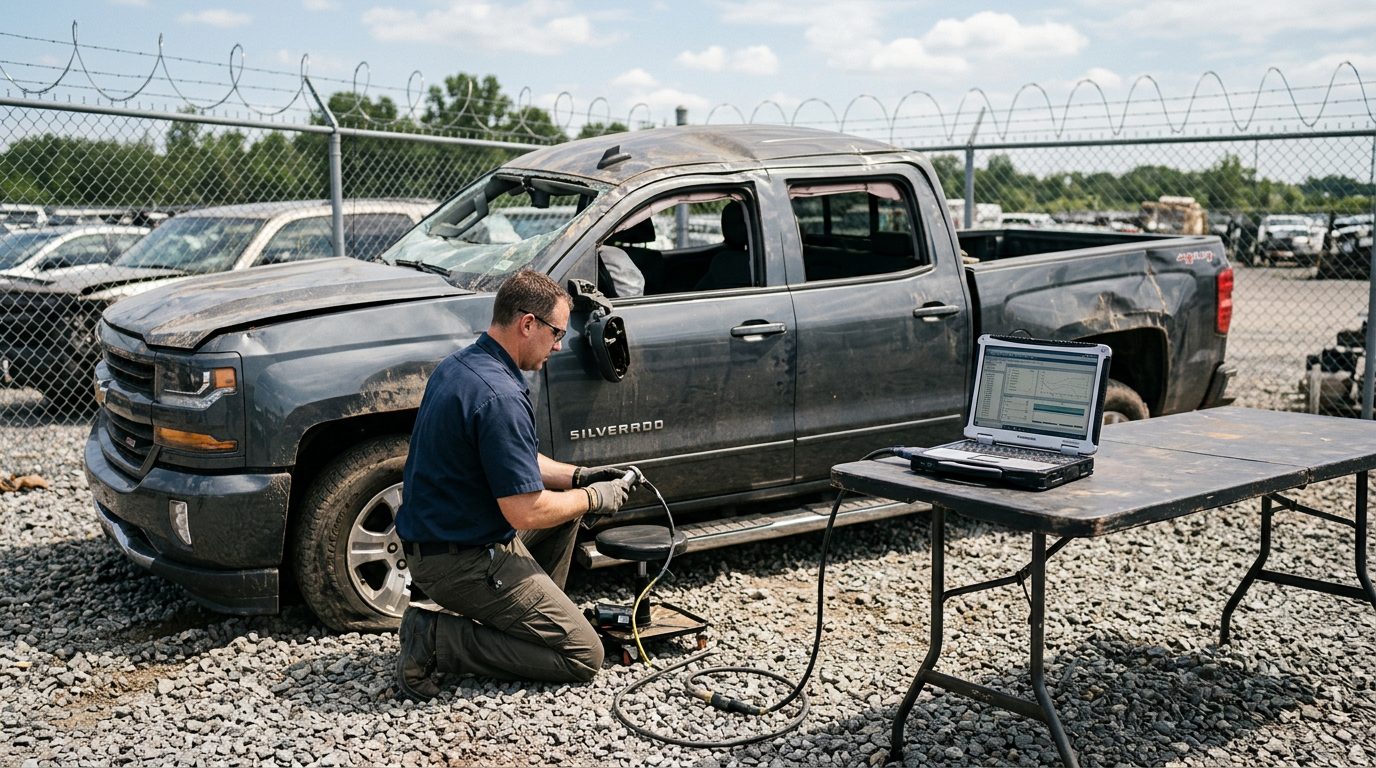
The vehicle, its data, and trucking records are the evidence most likely to be lost after a rollover.
Vehicles are often repaired, salvaged, or sold after a crash. Tire condition, roof and pillar damage, seat position, and restraint condition can show how the crash unfolded.
Many vehicles and commercial trucks store electronic data about speed, braking, and engine activity. That data can be overwritten or lost if the vehicle is not preserved.
Trucking records can disappear too. Federal rules require motor carriers to keep duty-status records and supporting documents for at least six months from the date of receipt, under 49 C.F.R. § 395.8. Records kept only for that minimum period may be discarded after it ends.
Photos, dashcam footage, witness contact details, and the police report are also worth gathering. A written request to preserve evidence, sent early, helps protect it.
Who May Be Responsible and How a Claim Develops
Responsibility can reach beyond the driver, depending on the facts. Possible responsible parties include the at-fault driver, the vehicle owner, a trucking company, a maintenance contractor, or a cargo loader.
An employer can face claims for its own negligent hiring, training, or supervision, even if it admits it answers for its driver. The Georgia Supreme Court’s decision in Quynn v. Hulsey explains this.
Georgia uses a modified comparative fault rule. If an injured person is partly at fault, the damages are reduced in proportion to that share. A person who is 50 percent or more responsible cannot recover damages. Each defendant pays only its own apportioned share, under Georgia’s apportionment law.
Under O.C.G.A. § 33-7-11, Georgia auto policies generally must include uninsured motorist coverage terms, unless an insured named in the policy rejects that coverage in writing.
A typical claim includes a case review, evidence preservation, medical record collection, investigation, a demand to the insurer, and a lawsuit if needed. Timelines vary with injury severity, medical recovery, and how much evidence must be reviewed.
Georgia Deadlines You Should Know About
Georgia generally gives two years to file a lawsuit for injuries to the person. Under O.C.G.A. § 9-3-33, these actions must be brought within two years after the right of action accrues.
Loss of consortium claims, which involve a spouse’s loss of marital relationship, have a four-year period under the same statute. Waiting to gather evidence can shrink the time left to investigate it.
Wrongful death claims follow their own timing rules. That is one reason families benefit from an early review of the facts.
Not sure what your next step is?
Talk it through with our team — the first consultation is free, confidential, and carries no obligation.
What to Expect From a Free Consultation With Ugwonali Law Group
The first step is a free, confidential consultation with no obligation to continue. It can be held in English or Spanish.
Adanna Ugwonali is the responsible lawyer for this page. Support staff handle intake and case coordination.
Helpful items to bring include:
- The crash date and location
- The police or crash report number
- Names of medical providers
- Insurance information for every vehicle involved
- Any photos or videos
Our office is at 3400 Peachtree Road NE, Atlanta, Georgia. We serve Atlanta, Fulton, Clayton, Cobb, and Rockdale counties and clients across Georgia.
If a case moves forward, clients may still be responsible for court costs and case expenses.
Frequently Asked Questions About Rollover Crash Claims
Can a passenger file a claim after a rollover?
Yes. Passengers hurt in a rollover may have claims against the at-fault driver or other responsible parties.
Do I need a police report?
A police report helps document what happened. It is one of several records that can support a claim.
How soon should I see a doctor?
Get a medical evaluation promptly. Some brain and spinal injuries may not show symptoms right away.
Can a family bring a wrongful death claim?
Who may bring a wrongful death claim, and how the rules apply to a particular family, depends on the facts of each case. A free case review can help families understand their options. The recovery is the full value of the decedent’s life, as shown by the evidence, under Georgia’s wrongful death statute.
Does a commercial truck change the claim?
It can add federal driving rules, company records, and questions about the trucking company’s insurance.

Talk With Our Team About Your Rollover Crash
After a rollover, many families are juggling hospital visits, missed work, and questions about a loved one’s care. You may be trying to understand what happened while also making decisions.
If you’re weighing your options, Ugwonali Law Group offers a free, confidential case review. You can call, send a request through our online contact form, or chat with our intake team in English or Spanish.
Why Rollover Crashes Often Lead to Serious Injury
Roof and body damage
When a vehicle rolls, the roof can crush and occupants can be thrown or pinned, which often causes spinal, head, and chest injuries.
Injuries that appear later
Some serious injuries, including brain injuries, may not show symptoms right away. Medical evaluation matters even when you feel you can walk away.
Many records to gather
Crash reports, hospital charts, imaging, repair estimates, and photos all help show what happened and how it affected your life.
Families are affected too
A rollover can change the lives of drivers, passengers, and loved ones who depend on them, including in cases involving a death.
Be Careful With Early Insurance Calls
An insurance adjuster may contact you soon after a crash. Before giving a recorded or detailed statement, consider speaking with a lawyer who can explain what you are being asked and why.
Practical Steps After a Rollover
Get medical care
Go to an emergency room or see a doctor, even if pain is delayed. Follow the treatment plan and keep every appointment you can.
Document the scene
If you are able, take photos of the vehicles, roadway, and injuries, and note witness names and contact details.
Keep your records
Save medical bills, prescriptions, work absence notes, and receipts for out-of-pocket costs in one place.
Ask questions early
Call our team for a free case review to learn how the process works, what records matter, and what questions to ask.