


Spinal Cord Injury | Atlanta and Georgia
Spinal Cord Injury Care After a Georgia Crash: What to Expect
A plain-language guide to medical treatment, rehabilitation, and the legal steps injured people and their families often face.
By Adanna Ugwonali · Published November 16, 2026
What Spinal Cord Injury Care Involves After a Georgia Crash?
When a crash leaves someone with a spinal cord injury, the next weeks can feel fast and confusing. This guide explains what spinal cord injury care involves after a Georgia crash, from the scene to life at home. Most care moves through emergency treatment, diagnosis, surgery when it is needed, rehabilitation, and follow-up visits. Each step creates medical records and bills that matter later.
The care can last for years, so it helps to know what comes next. Here is the path most families see, in plain terms.
If a crash has left someone you love facing a spinal injury, you don't have to sort out the care and the choices alone, and our team offers a free case review. Talk it through with our team — the first consultation is free, confidential, and carries no obligation.
Why Spinal Cord Injuries Happen in Georgia Crashes
A spinal cord injury damages the bundle of nerves that runs through the spine. In crashes, it usually comes from blunt force that bends, compresses, or twists the spine. Truck and car crashes can produce these forces in several ways.
A rollover can throw the head and neck against the roof or the ground. A rear-end impact at high speed can snap the neck forward and back. A person thrown from a vehicle or falling from a high truck cab can land hard on the back. For more on how serious these injuries can be, read how serious a spinal cord injury is.
Scans do not always tell the whole story. The spine can look intact on early X-rays while the cord is still bruised or swollen. That is why symptoms matter as much as images.
Doctors often describe injuries as complete or incomplete. A complete injury means no movement or feeling below the injury site. An incomplete injury means some signals still get through. Either type can change over time, and no one can say ahead of time how a particular person will do.
Emergency Care at the Scene and in the Hospital
Emergency care starts with a 911 call and careful handling of the injured person. Tell responders about any neck or back pain, numbness, tingling, or weakness, even if the person says they feel fine. Let trained responders move the person. Untrained lifting or twisting can make a spinal injury worse.
At the hospital, the trauma team checks breathing, blood flow, and blood pressure first. Then they test movement, feeling, and reflexes. Imaging follows to look at the bones and soft tissue. Early care aims to keep the patient stable and protect the spinal cord from further harm.
Families can help by writing down what happened, who saw it, and what symptoms they noticed. This history helps the medical team. Our guide to the first steps after a spinal injury covers the first days in more detail.
How Spinal Cord Injuries Are Diagnosed
Doctors diagnose a spinal cord injury with a neurological exam and imaging. Imaging can include X-rays, CT scans, and MRI.
The neurological exam checks strength in the arms and legs, feeling in different areas, reflexes, and bladder and bowel function. These results show where the injury may be and how serious it looks at that time.
X-rays show the bones. CT scans give more detail about fractures. MRI scans show the spinal cord and soft tissue, such as ligaments and discs.
Follow-up exams and scans track changes over days and weeks. Swelling can change the picture, so repeat testing matters.
Sudden weakness, numbness, loss of bladder or bowel control, or sudden severe back pain needs urgent medical attention. These signs can also point to other spinal problems, such as a spinal stroke.
Surgery, Stabilization, and Medical Treatment
Surgery is used when the spine needs stabilizing or when pressure on the spinal cord needs relief. Whether it is needed depends on the type and location of the injury. Surgeons may realign or fuse parts of the spine, repair fractures, or ease pressure on the cord.
Treating medical doctors make these decisions with the patient. Early treatment also includes pain control and other medicines, as the treating doctor decides. The team watches for complications such as blood clots, infections, pressure sores, breathing problems, and bladder problems.
Records matter from the first day. Under O.C.G.A. § 31-33-2, a provider with custody and control of an evaluation, diagnosis, prognosis, laboratory report, or biopsy slide in a patient’s record generally must keep it for at least ten years from the date it was created, but the statute lists exceptions, such as for an individual provider who has retired from or sold a practice and followed its notice requirements, and hospital records can follow separate rules. The patient can request a copy. If the patient has died, the appointed executor, administrator, or temporary administrator of the estate can request the record; if none has been appointed, the surviving spouse can, then a surviving child if there is no spouse, then a parent if there is no child. The provider must furnish the record within 30 days of a proper written request with the required authorizations.
Rehabilitation and Adjusting to Daily Life
Rehabilitation is the phase where therapy works toward daily goals. These goals include moving, dressing, eating, and communicating.
Physical therapy builds strength and mobility. Occupational therapy works on self-care and daily tasks. Speech therapy helps when speaking or swallowing is affected. Goals are set with the patient and reviewed as they change.
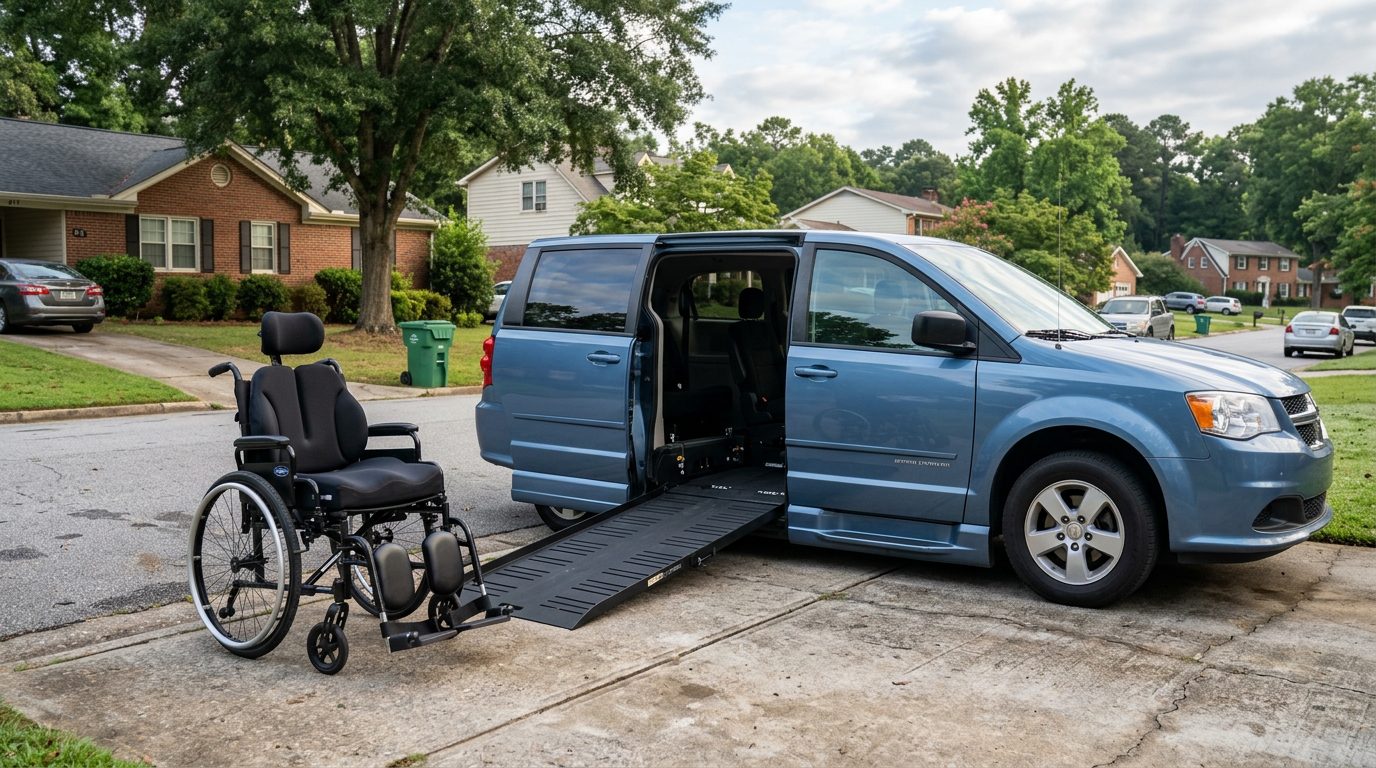
Assistive devices are often part of this care. They can include wheelchairs, braces, and transfer equipment. Therapists help choose them based on the person’s strength, balance, and home.
Home and vehicle changes, such as ramps, bathroom updates, or hand controls, are often planned with the rehabilitation team. That way they fit the person’s actual needs.
Emotional support also matters. Counseling and support groups are common parts of rehabilitation after a catastrophic injury. The MSKTC spinal cord injury factsheets cover life after injury. They come from research in NIDILRR-funded model systems.
Not sure what your next step is?
Talk it through with our team — the first consultation is free, confidential, and carries no obligation.
Can You Recover From a Spinal Cord Injury, and Is It Career Ending?
Recovery varies widely, and no one can say in advance how much movement or feeling will return. Recovery depends on the level and completeness of the injury, the person’s health before the crash, and how soon good care begins.
Some people regain movement or feeling over time. Others adapt to lasting changes with therapy and assistive tools. Neither path is a promise for any one person.
Work is a common question. Options depend on the injury, the type of job, and whether an employer can offer accommodations. Vocational rehabilitation services can help plan a return to work or a different kind of job.
The medical team’s assessments over time give the most useful picture. Families who keep notes on progress and setbacks can share them at each visit.
Long-Term Care, Costs, and Family Planning
Long-term care often includes follow-up visits, medicines, therapy, equipment, and help at home. These needs can continue for years.
Equipment wears out and needs repair or replacement. Families may also pay for rides to appointments or for in-home help. Lost income adds up when a family member cuts back on work.
Families often keep a simple log of each expense, with receipts, mileage, and missed wages. Georgia law says that necessary expenses from an injury are a legitimate item in the estimate of damages. See O.C.G.A. § 51-12-7. Special damages are losses that actually flow from the crash, and they must be proved, under O.C.G.A. § 51-12-2.
Planning early helps a household make informed choices about work, caregiving, and money.
How a Georgia Crash Claim Relates to These Medical Needs
A Georgia personal injury lawsuit generally must be filed within two years after the right of action accrues, but injuries to reputation must be brought within one year and loss of consortium actions within four years. The two-year filing limit for actions for injuries to the person comes from O.C.G.A. § 9-3-33. Some claims, such as those arising from a death, follow their own rules, so the timing should be checked early.
Medical records, imaging, therapy notes, and bills document the injury and the care it needs. Georgia limits medical expenses to the reasonable value of medically necessary care. The judge or jury decides that amount, under O.C.G.A. § 51-12-1.1.
No lawyer can promise a result or a settlement amount. Each case turns on its own facts and evidence.
Talk With Ugwonali Law Group About Your Family’s Situation
Reading about spinal cord injury care often happens during a hard season. A family member may be in the hospital or rehab, and decisions come quickly.
Ugwonali Law Group, led by attorney Adanna Ugwonali, represents people seriously hurt in truck and car crashes. The firm also represents families in wrongful death cases. It serves metro Atlanta and Georgia statewide from 3400 Peachtree Road NE, Atlanta, Georgia. Intake staff can help in English or Spanish.
The first consultation is free, confidential, and carries no obligation to continue. In Spanish: La consulta inicial es gratuita, confidencial y sin compromiso de continuar.
What is the first step after a crash that causes a spinal cord injury?
Call 911 and tell responders about any neck or back pain, numbness, or weakness. Let trained responders handle the person’s movement.
Do trucking companies carry insurance for crash injuries?
Federal law sets minimum financial responsibility levels for many motor carriers that haul property, under 49 U.S.C. § 31139. The coverage in each case depends on the policy and the facts.
Can family members recover funeral costs after a fatal crash in Georgia?
Yes, when death results from criminal or other negligence, the personal representative can recover funeral, medical, and other necessary expenses. See O.C.G.A. § 51-4-5.
If a crash has left someone you love facing a spinal injury, our team at Ugwonali Law Group offers a free case review to talk through the care, the records, and your options.
What spinal cord injury care can involve
Emergency care first
Care often begins at the scene with trained responders, followed by emergency imaging and hospital evaluation.
Medical treatment
Treatment may include surgery, medication, and monitoring by a medical doctor, depending on the type and location of the injury.
Rehabilitation over time
Recovery can involve physical and occupational therapy and can continue for a long time after the crash.
Records and bills
Medical records, imaging results, and bills help document the injury and the care it required.
Family impact
Caregiving, lost income, and daily changes often affect the whole household, not only the person who was hurt.
Questions to ask
Keeping a written list of questions for each doctor visit helps you understand your options and your next steps.
Do not try to move someone with a suspected spinal injury
If you suspect a neck or back injury, call 911 and let trained responders handle movement. Tell them about any numbness, weakness, or pain you notice.
Keeping track of your care
Appointments
Write down every visit, test, and therapy session, along with the name of the provider who saw you.
Symptoms
Record changes in feeling, movement, bladder or bowel function, and pain, including when they started and how they change.
Costs and paperwork
Save bills, insurance letters, and receipts for medical equipment and travel to appointments.