

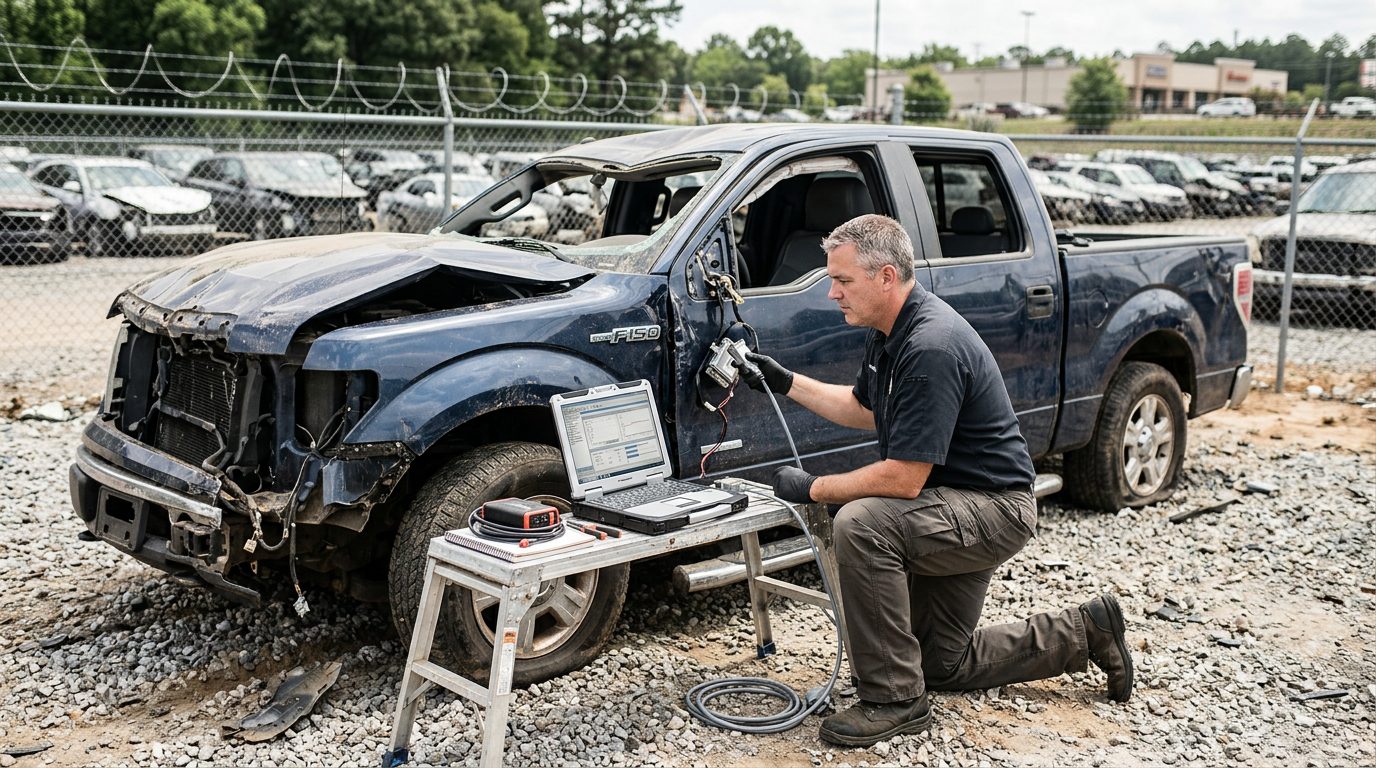
Truck Accidents · Clayton County, Georgia
Hurt in a Truck Crash in Clayton County? Talk With Our Team Today
Serious injuries bring medical appointments, lost income, and difficult decisions. Our team walks you through the process in plain language, in English or Spanish.
How We Work With You
Free
Case review and first consultation
English & Spanish
Intake team available in both languages
Georgia
Representing clients in Clayton County and across the state
By Adanna Ugwonali · Published November 20, 2026
If a commercial truck crash has left you or someone you love with serious harm, a claim may seek compensation for that harm. The harm can include a brain or spinal cord injury, broken bones that need surgery, or a death. Under Georgia law, the injured person or the family may be able to pursue the people responsible, depending on the facts. This guide explains how these claims work in Clayton County and across Georgia. It is written for injured people and for family members handling a claim for someone they love.
What a Truck Crash Catastrophic Injury Claim Is and Who It Is For
A catastrophic injury claim seeks payment for serious harm that needs real medical care and may last a long time. Examples include a fracture that needs surgery, a traumatic brain injury, a spinal cord injury, or a fatal crash. Minor vehicle damage with no real medical treatment is a different kind of matter.
A truck case differs from an ordinary car crash case in two ways. More parties may be involved, including the driver, the trucking company, and sometimes a company that leased the truck. Federal trucking rules also apply. The federal regulation at 49 CFR 387.9 provides, in part: “The minimum levels of financial responsibility referred to in § 387.7 are hereby prescribed as follows:” The schedule that follows lists those minimum levels by type of carriage and commodity transported. It has entries for vehicles with a gross vehicle weight rating of 10,001 or more pounds, and one entry for vehicles under 10,001 pounds that carry certain hazardous materials in interstate or foreign commerce.
The injured person files a claim for their own injuries.
Clayton County sits south of Atlanta.
Not sure what your next step is?
Talk it through with our team — the first consultation is free, confidential, and carries no obligation.
Catastrophic Injuries That Often Arise in Truck Crashes
Truck crashes often cause injuries that need hospital care, surgery, and a long recovery. The most serious include:
- Traumatic brain injury: a range of harm, from concussion to more serious damage to the brain.
- Spinal cord injury: damage that can change movement or feeling and may need rehabilitation and equipment.
- Severe fractures, crush injuries, and amputations: these often mean surgery, hospital stays, and follow-up care.
- Wrongful death: a fatal injury that leaves a family to pursue a claim.
Some symptoms take time to appear. Tell your doctor about every symptom, even ones that seem small, and keep each follow-up visit. Medical records from a licensed medical doctor are central. They link the crash to the injury and show what care has cost and what it may still need.
Who May Be Responsible and the Evidence That Matters
Responsibility can reach beyond the driver. Possible parties include the motor carrier, a leasing company, maintenance providers, and cargo loaders. Federal rules limit how long drivers may work. Under 49 CFR 395.3, a driver of a property-carrying commercial motor vehicle may not drive without first taking 10 consecutive hours off duty, may not drive after a period of 14 consecutive hours after coming on duty following 10 consecutive hours off duty, and may drive a total of 11 hours during that period.
Evidence to protect early includes:
- The police crash report
- Photos of the scene, the truck, and your vehicle
- Names and contact details for witnesses
- Medical records, imaging, bills, and treatment notes
Damages and Georgia Deadlines
Georgia generally requires an injury lawsuit to be filed within two years after the right of action accrues. That rule is in O.C.G.A. § 9-3-33. The statute has exceptions, including a four-year period for certain loss-of-consortium claims.
Georgia also uses modified comparative fault, or shared fault. The judge reduces damages in proportion to the injured person’s share of fault, under O.C.G.A. § 51-12-33. A person who is 50 percent or more responsible cannot recover damages.
Future economic losses may be reduced to present value, under O.C.G.A. § 51-12-13.
The amount of any claim turns on the crash, the injuries, and the insurance available. No one can predict a result in advance.
What to Expect: The Claim Process Step by Step
A claim usually moves from a first call to investigation, medical review, insurer negotiation, and, if needed, a lawsuit.
- Free first consultation. We review the crash, the injuries, and the timeline. The initial consultation is free, confidential, and carries no obligation to continue.
- Investigation. The team requests the crash report, carrier records, and witness information. It also looks for vehicle data where it exists.
- Medical review. We review records, imaging, and bills, and build a picture of current and future care needs.
- Claim presentation. The claim goes to the insurers, followed by negotiation where appropriate.
- Lawsuit, if needed. If a fair resolution is not reached, a suit may be filed in the proper Georgia court.
Many truck cases take months to years, and timing varies by case.
Why Clients Work With Ugwonali Law Group
Ugwonali Law Group is a personal injury firm in Atlanta, Georgia, led by attorney Adanna Ugwonali. The firm handles truck accidents, car accidents, wrongful death, traumatic brain injury, spinal cord injury, catastrophic injury, premises liability, and slip and fall claims.
- Office: 3400 Peachtree Road NE, Atlanta
- Service area: metro Atlanta, Clayton County, and statewide across Georgia
- Intake: available in English or Spanish
- Support staff: our team includes assistants and office staff.
Our team focuses on explaining the legal and medical process, so clients can make informed decisions.
Not sure what your next step is?
Talk it through with our team — the first consultation is free, confidential, and carries no obligation.
Common Questions About Truck Crash Claims
Most readers ask about fault, time limits, and who pays. Short answers follow.
Can I still make a claim if I was partly at fault?
Under O.C.G.A. § 51-12-33, a plaintiff who is 50 percent or more responsible for the injury or damages claimed is not entitled to receive any damages. Your damages are reduced by that share. At 50 percent or more, you cannot recover damages (O.C.G.A. § 51-12-33(g)).
Who pays a truck crash claim?
Whether a claim is paid depends on the insurance policies involved and the facts of the case. Available coverage is limited by each policy.
How long does a claim take?
Many truck cases take months to years.
Can a family bring a claim after a death?
Family members may be able to bring a wrongful death claim. Our team can explain the process.
Do I need a lawyer right away?
Early steps help protect evidence. The first consultation is free and confidential, with no obligation to continue.
Can I speak with someone in Spanish?
Yes. Intake staff assist in English or Spanish.

Talk With Our Team About Your Truck Crash Claim in Clayton County
You may be in a hospital bed, a rehab center, or caring for a family member after a truck crash. You do not have to sort out the legal side alone. Request a free case evaluation and talk through what happened, in English or Spanish.
This page is general information, not legal advice. The responsible lawyer for this page is Adanna Ugwonali, Ugwonali Law Group, 3400 Peachtree Road NE, Atlanta, Georgia.
What to Expect When You Contact Us
A Real Conversation
Your first call is with our intake team, who listen to what happened and answer your questions about the next steps.
Confidential From the Start
The initial consultation is free, confidential, and carries no obligation to continue.
Plain-Language Explanations
We explain the legal and medical process step by step, so you understand each decision before you make it.
Support for Your Family
Truck crashes affect everyone at home. We keep you informed and make sure your questions get clear answers.
Be Careful With Insurance Calls
An insurance adjuster may contact you soon after a crash. Before giving a recorded statement or signing any release, talk with a lawyer about what you are being asked to agree to.
Helpful Steps to Take After a Serious Truck Crash
Get Medical Care
Seek treatment from a medical doctor, even if your injuries seem minor at first. Follow through with recommended care and keep every record.
Document the Scene
If you are able, photograph vehicle damage, road conditions, and visible injuries. Write down the names and contact details of anyone who saw the crash.
Save Your Paperwork
Keep bills, prescriptions, pay stubs, and mileage logs. These records help show how the crash has affected your health and your work.
Call Us Before You Settle
Once a claim is resolved, it is difficult to change the outcome. Contact our team first so we can review your situation before you accept any offer.