


Personal Injury Guide | Atlanta, Georgia
Is It Worth Suing for Pain and Suffering in Georgia?
A plain-language look at how pain and suffering fits into serious injury claims, and how to decide whether to talk with a lawyer about your case.
By Adanna Ugwonali · Published November 8, 2026
A pain and suffering claim can be worth a closer look when a serious injury has needed real medical treatment. Whether it is worth suing for pain and suffering depends on the facts, and no one can predict the result in advance. This page explains what pain and suffering means under Georgia law, how emotional harm fits in, what shapes a claim’s value, and what the process involves.
It is written for people hurt in a truck crash, a car crash, a slip and fall, or an unsafe property, and for families who have lost someone. Ugwonali Law Group represents people hurt in serious accidents across metro Atlanta, including Fulton and Clayton counties, and statewide in Georgia.
What Pain and Suffering Means in a Georgia Injury Claim
Pain and suffering is the non-economic part of an injury claim. It covers physical pain and the way an injury changes daily life.
General damages are harms the law presumes flow from a wrongful act, and they can be recovered without proof of an exact amount. Special damages actually flow from the act and must be proved, such as medical bills and lost wages. The Georgia Code provision on general and special damages limits special damages for medical and healthcare expenses to the reasonable value of medically necessary care, treatment, or services.
Under O.C.G.A. § 51-12-4, damages compensate for injury. Where an injury can be estimated in money, that compensation is generally the measure. If an injury is small or the mitigating circumstances are strong, only nominal damages are given.
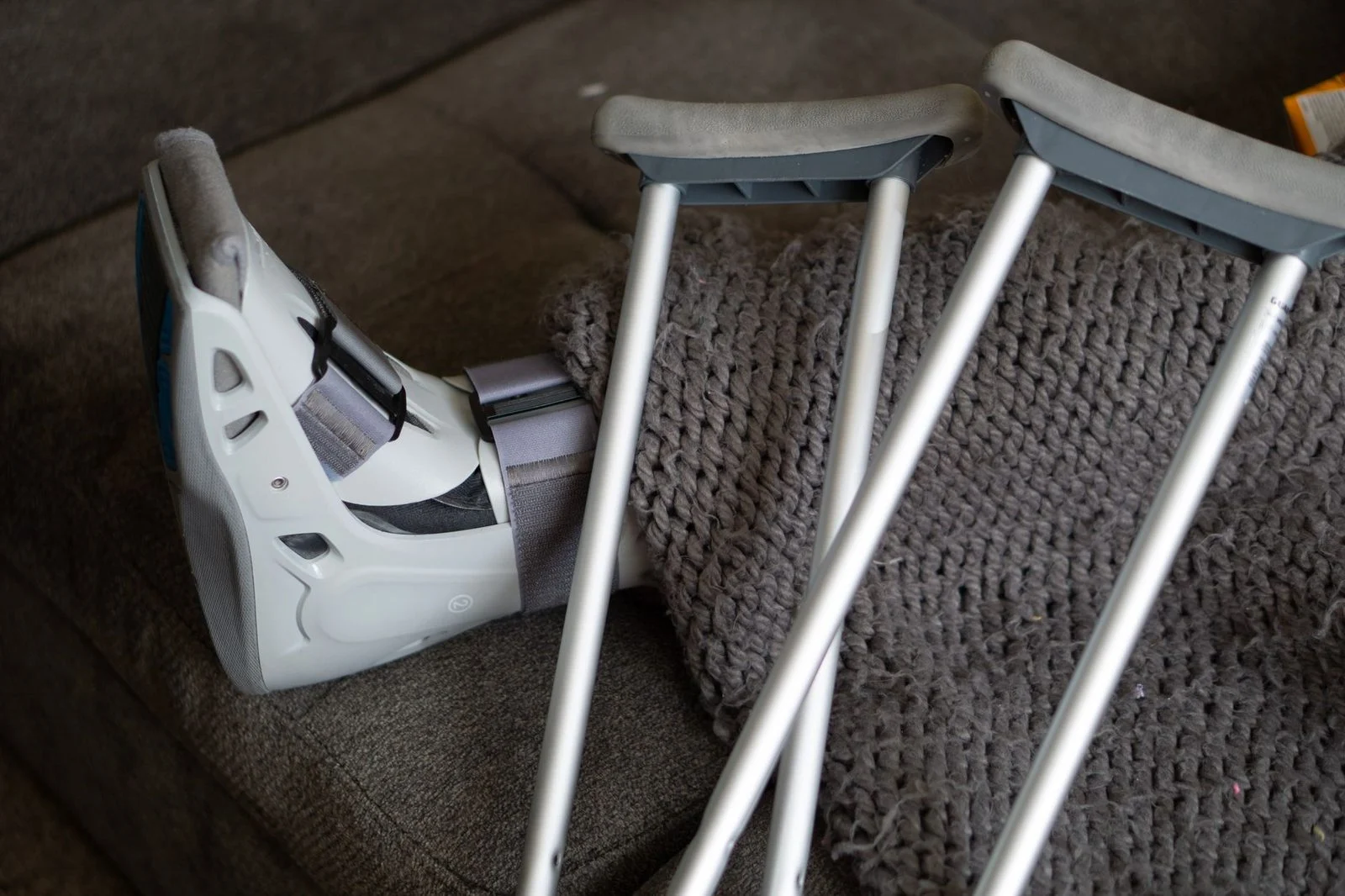
If you are reading this beside a hospital bed, or at home with a brace and a stack of bills, you are asking a fair question. The bills are easy to add up. The pain and the lost months are harder to put a number on, and that is where this question usually starts.
If someone you love is still in the hospital or living with a serious injury, you don't have to sort out the claim alone. Our team can talk through the facts with you in English or Spanish. Talk it through with our team — the first consultation is free, confidential, and carries no obligation.
Emotional Distress and Mental Anguish: How They Fit In
Emotional distress and mental anguish are often part of pain and suffering when a serious physical injury changes a person’s life. They describe the fear, worry, and grief that follow a serious injury.
A fracture can keep someone off work for months. A traumatic brain injury can affect memory, mood, and concentration. A spinal cord injury can change how a person moves and cares for family. MSKTC spinal cord injury factsheets describe the long-term and daily-living needs that follow this kind of injury.
Georgia draws a sharp line when the harm is only emotional. Under O.C.G.A. § 51-12-6, if the entire injury is to a person’s peace, happiness, or feelings, jurors’ consciences set the measure of damages. O.C.G.A. § 51-12-6 reads: “In a tort action in which the entire injury is to the peace, happiness, or feelings of the plaintiff, no measure of damages can be prescribed except the enlightened consciences of impartial jurors.” In that kind of action, punitive damages cannot be awarded. In other tort actions, under O.C.G.A. § 51-12-5.1, punitive damages may be awarded only when it is proven by clear and convincing evidence that the defendant’s actions showed willful misconduct, malice, fraud, wantonness, oppression, or that entire want of care which would raise the presumption of conscious indifference to consequences.
Claims tend to stand on firmer ground when the emotional harm ties to a physical injury with medical records behind it. Proving it usually means showing the injury, the treatment, and how the injury affected daily life.
Signs of Emotional Trauma After an Accident
Common signs include trouble sleeping, nightmares or unwanted memories of the crash, anxiety when driving, irritability, low mood, and pulling away from activities you used to enjoy.
Some symptoms appear days or weeks after the event. A person may feel fine at first, then notice broken sleep or panic on the route they drove every day. Changes like these are worth writing down.
A simple journal helps. Record the date, sleep, pain level, appointments, activities you had to skip, and changes at work or home. Notes made close to the event are easier to recall later.
Tell your doctor about emotional symptoms, not only physical ones. That puts them in the medical record, where they can be reviewed. This section is for education only. It does not diagnose anyone, and a medical doctor is the right person to evaluate symptoms.
How Insurance Companies and Courts Approach Valuation
Insurers and courts do not use one fixed formula for pain and suffering. Two rough estimating methods are commonly discussed.
The multiplier method takes medical costs and multiplies them by a factor based on how severe the injury is. The per diem method assigns a daily amount to the period of recovery. Both are estimation tools. Neither one fixes an outcome. Adjusters and jurors weigh many facts, including the injury itself and how it changed daily life.
Medical bills follow their own rules. Under O.C.G.A. § 51-12-1.1, medical expenses are limited to the reasonable value of medically necessary care, treatment, or services. If the injured person has health insurance, evidence of reasonable value includes both the amounts charged and the amounts actually needed to satisfy those charges under the insurance contract. Georgia Code Title 51 contains the full text.
Insurers may dispute amounts, the need for treatment, or how the injury affected your life. Keep records organized from the first visit. Clear documentation answers those disputes better than memory does.
Factors That Shape the Value of a Serious-Injury Claim
The main factors are the medical record, the length of care, the liability evidence, and the insurance behind the at-fault party. Each one depends on the particular facts of the case.
- Medical documentation. Diagnoses from a medical doctor, imaging, surgery notes, and treatment plans form the core of the record.
- Continuity of care. Long gaps in treatment invite questions. Following the treatment plan keeps the record clear.
- Liability evidence. Police reports, photos, property records, maintenance logs, and witness statements help show how the injury happened.
- Insurance coverage. Policy limits matter. A commercial or corporate policy can be part of truck and premises cases.
Fault matters too. Under O.C.G.A. § 51-12-33(a), the judge reduces an award in proportion to the injured person’s share of fault. Under subsection (g), the plaintiff recovers nothing if 50 percent or more responsible for the injury or damages claimed. Each liable person pays only its own apportioned share under subsection (b). The full text is in Georgia Code Title 51.
When a Serious-Injury Claim Is Worth an Evaluation
A claim is usually worth an evaluation when a serious injury needed real medical treatment. Examples include a fracture, hospital care, surgery, a traumatic brain or spinal cord injury, a catastrophic injury, a total-loss crash, or a death.
Minor collisions with no real injury or treatment usually are not the kind of matter discussed here. Situations where the injured person may be at fault are also outside this page’s scope, because that changes the fault analysis above.
A useful question is whether a medical doctor has treated the injury, and whether insurance stands behind the at-fault party. Those answers shape what any review can examine.
For slip and fall injuries, federal OSHA walking-working surfaces standards address slip, trip, and fall hazards. Our slip and fall page covers premises injuries in more detail.
When a loved one dies, Georgia law addresses the family’s recovery.
Not sure what your next step is?
Talk it through with our team — the first consultation is free, confidential, and carries no obligation.
How Hard Is the Process? Deadlines, Evidence, and Costs
The general deadline for injury claims in Georgia is two years. O.C.G.A. § 9-3-33 provides: “Except as otherwise provided in this article, actions for injuries to the person shall be brought within two years after the right of action accrues, except for injuries to the reputation, which shall be brought within one year after the right of action accrues, and except for actions for injuries to the person involving loss of consortium, which shall be brought within four years after the right of action accrues.” Loss of consortium claims have four years under the same section.
Most claims follow a similar path. The team gathers facts and medical records, presents a demand to the insurer, and negotiates. If the claim does not resolve, a lawsuit may be filed. Most claims do not reach trial, but careful handling still prepares as though one could.
Case costs are a separate question from the fee. A client may still be responsible for court costs and case expenses, such as records fees and filing costs.
Quick answers
Can I sue for emotional distress without a physical injury?
Georgia measures emotional-only harm differently, under O.C.G.A. § 51-12-6.
How long do I have to file?
For most injury claims, the general rule is two years under O.C.G.A. § 9-3-33.
What if I was partly at fault?
Your award is reduced by your share of fault, and you recover nothing at 50 percent or more (O.C.G.A. § 51-12-33; Quynn v. Hulsey (2020)).
Talk With Our Team About Your Situation
Our team can review your facts and help you understand whether the claim merits a closer look.
Maybe you are a daughter sitting beside a parent after a truck crash. Maybe you are a father on crutches after a fall on a store floor, or a spouse watching a brain injury change everyday life. Those are hard places to make decisions from. Ugwonali Law Group works with people in English or Spanish, and the first step is a conversation.
You can request a free case review and our intake team will walk through what happened. The first consultation is free, confidential, and comes with no obligation to continue (Spanish: consulta inicial gratuita, confidencial y sin compromiso).
This page is general information, not legal advice. Responsible lawyer: Adanna Ugwonali, Ugwonali Law Group, 3400 Peachtree Road NE, Atlanta, Georgia.
Questions to Think About Before You Decide
What your injuries have changed
Pain and suffering covers the physical and emotional effects of an injury, such as ongoing pain, limits on daily life, and stress that follows a serious crash or fall. Writing down how your life has changed can help you think it through.
The medical picture
Fractures, head and spinal injuries, and hospital care are documented through medical treatment. Keeping every appointment, prescription, and therapy record gives a clearer picture of what you have been through.
Who may be responsible
A claim depends on the facts of how the injury happened, including what the other party did or failed to do. Each situation is different, so the details matter.
What a claim involves
Some cases settle and others go to court. Either path takes time, paperwork, and patience, and many people find it helpful to understand the process before making a choice.
How Our Team Approaches Your Case
Plain-language answers
We explain the legal and medical process in terms you can follow, without pressure to decide on the first call.
Respect for your recovery
We take the time to understand your injuries, your treatment, and how the harm has affected your family and work.
English or Spanish
Our intake team can speak with you in English or Spanish, so you can describe your situation in the language you are most comfortable using.
Based in Atlanta
Our office is at 3400 Peachtree Road NE, Atlanta, serving metro Atlanta and clients across Georgia.
Keep Your Records and Speak Carefully
Save medical bills, photos, and notes about your symptoms. Before speaking with an insurance adjuster about your injuries, consider talking with a lawyer first, since early statements can be used later.