


Atlanta, Georgia Injury Guide
What Is the Hardest Injury to Prove? A Plain-Language Georgia Guide
Some serious injuries are harder to document than others. Here is how brain, spinal, and soft-tissue injuries are evaluated, and what helps build a clear record from the start.
How we work with injured clients
Free
First consultation, confidential, with no obligation to continue
2
Languages for intake: English and Spanish
Atlanta
Office at 3400 Peachtree Road NE
By Adanna Ugwonali · Published October 31, 2026
There is no single answer. The hardest injury to prove depends on the injury itself, the medical evidence, and the facts of the crash or fall. In general, brain injuries without clear scan results, back and neck injuries that imaging does not fully show, and injuries with delayed symptoms are often harder to document than a broken bone. This page explains why. Ugwonali Law Group, located at 3400 Peachtree Road NE in Atlanta, represents people hurt in truck and car crashes, falls on unsafe property, and families in wrongful death cases across metro Atlanta and Georgia.
Why There Is No Single Answer to the Hardest Injury to Prove
No single injury is hard to prove in every case. Each part needs its own evidence.
Objective findings are the easiest to document. A fracture on an X-ray is clear to a doctor and to anyone reviewing the film. Injuries that show up mainly as symptoms, such as pain or dizziness, still matter. They simply need more support from records, testing, and treatment notes.
Damages are the losses an injured person may seek to recover in a claim. Under O.C.G.A. § 51-12-2, special damages must actually flow from the act and must be proved. Medical bills are a common type of special damages, so records of care matter a great deal.
If you are worried about a family member still recovering, or about symptoms others cannot see, our team can talk through your situation in a free, confidential first consultation. Talk it through with our team — the first consultation is free, confidential, and carries no obligation.

Why Traumatic Brain Injuries Are Often the Hardest to Show
Mild traumatic brain injuries can be difficult to diagnose, which can make them harder to prove. A brain injury care review notes that mild or repetitive brain injuries can be hard to diagnose. The same review notes that traumatic brain injury can cause temporary or permanent disability.
Many brain injury symptoms are hard for other people to see. Common ones include headaches, memory problems, dizziness, sensitivity to light, and changes in mood or concentration. A person may look fine while struggling to work, read, or follow a conversation.
The Georgia traumatic brain injury facts page explains how TBI is defined, what causes it, and its possible long-term effects. The Georgia Department of Public Health also covers symptoms and consequences.
Documentation matters here. Neurological evaluations, cognitive testing, and follow-up visits with a treating physician create a written record over time. Your doctor makes the diagnosis and decides treatment. A clear, dated record of symptoms is easier to review than a single description given once.
Back, Neck, and Spinal Injuries When Imaging Does Not Tell the Whole Story
Disc and spinal injuries treated by a medical doctor can cause serious pain and limits, even when early imaging looks unremarkable. Pain that keeps someone from lifting, sitting, driving, or working is real. It deserves careful medical attention and clear records.
Doctors document these injuries in several ways. Physical examinations, nerve testing, and imaging each add to the picture. Notes that describe how pain limits daily activities and work also show the injury’s effect on a person’s life.
Spinal cord injuries with confirmed nerve damage generally involve more objective findings than soft-tissue back pain. Those findings may include test results that show changes in nerve function. Your treating physician, not your lawyer, decides diagnosis and treatment. A lawyer can help you understand the records, but the medical team makes the medical calls.
Delayed Symptoms and Gaps in Treatment
Symptoms that appear hours or days after a crash or fall can make an injury harder to connect to the event. Brain injuries and disc problems are two examples where early signs may be mild or slow to show.
Seeing a doctor promptly, even when symptoms seem mild, creates a clearer record. The visit notes what you reported, when it started, and what the clinician found. That timeline helps link the incident to the injury.
Treatment gaps can make an injury look less serious, even when it is not. Missed appointments or long breaks can be read by others as a sign of recovery. Consistent follow-up care helps show the ongoing effect of an injury.
Under O.C.G.A. § 51-12-2, special damages, such as medical expenses, are those that actually flow from the wrongful act, and they must be proved in order to be recovered. Keep a simple symptom journal too. Write the date, pain level, and how symptoms affect sleep, work, and daily tasks.
Pre-Existing Conditions and How Causation Is Questioned
Many people have an old back problem, a past injury, or another health condition. Having one does not, by itself, decide whether a crash or fall caused a new injury.
The other side may argue that symptoms were already present before the incident. Medical records from before the crash or fall help answer that question. Notes from your treating physician on the timeline also matter.
An aggravation of an existing condition is different from a new injury. An aggravation means an old condition became worse because of the incident. A new injury means the incident caused a problem that did not exist before. Your physician’s notes on which applies can be central to the discussion.
Documentation That Helps Prove a Hard-to-Prove Injury
The records that help most show what happened, what was diagnosed, and what treatment followed. Keep copies of:
- Emergency and hospital records
- Imaging reports
- Physician and therapy notes
- Prescription records
- Itemized bills
Scene evidence helps too. Photos of the location and conditions, names of witnesses, and any incident or police report all add context. Take photos as soon as it is safe to do so.
Be careful about what you say after an incident. Statements to a property owner or the other driver’s insurer can be used later. Advice on those conversations is something our team can discuss with you.
Timing matters as well. Georgia law generally requires actions for injuries to the person to be brought within two years after the right of action accrues. O.C.G.A. § 9-3-33 sets this rule. Exceptions exist, and loss of consortium claims have a four-year period under the same statute.
Not sure what your next step is?
Talk it through with our team — the first consultation is free, confidential, and carries no obligation.
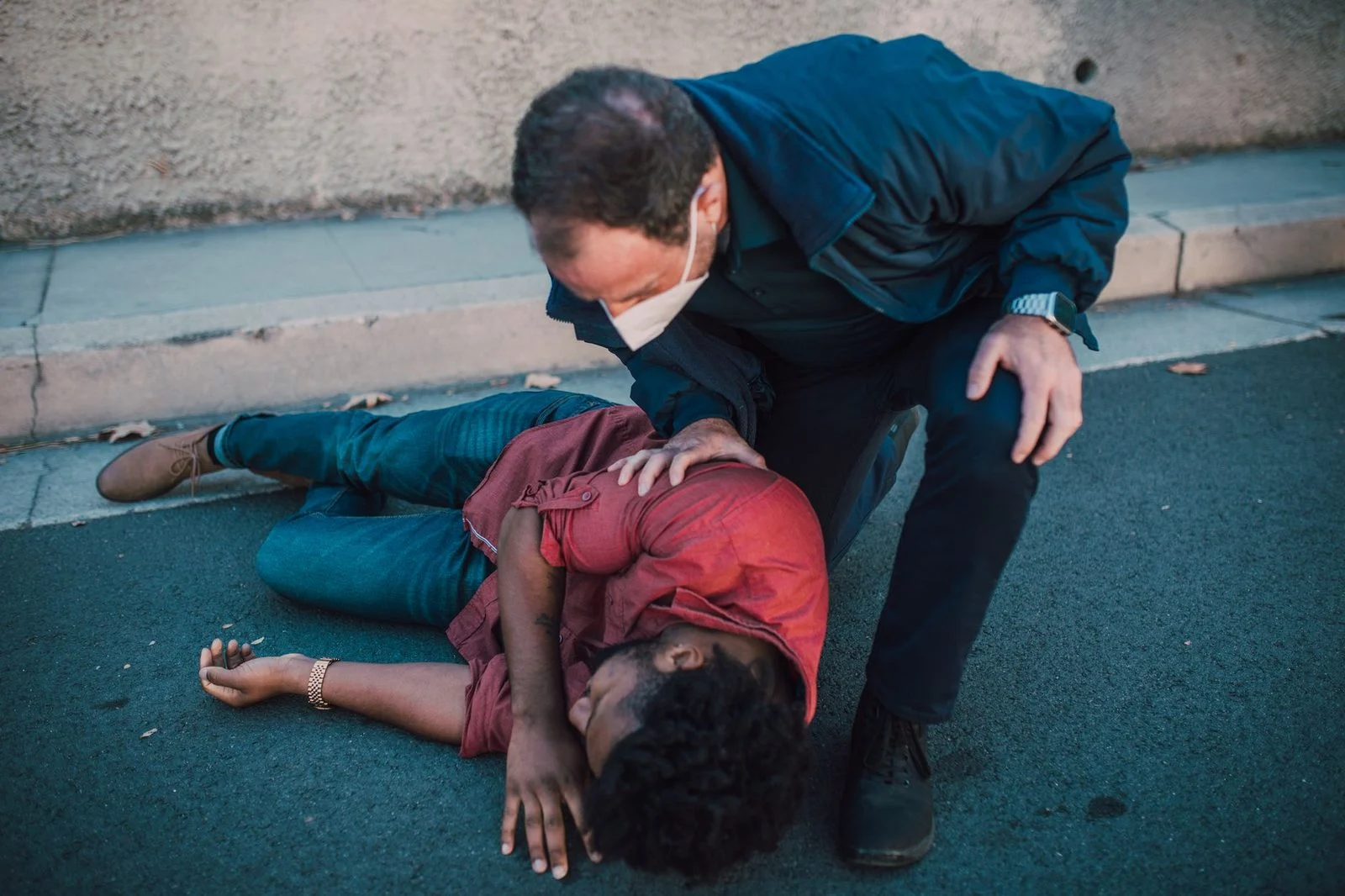
Talking Through Your Situation With Ugwonali Law Group
If you are worried about a family member still recovering, or about symptoms no one else can see, you do not have to sort out the medical and legal questions alone. Reading about a serious injury and the legal process can feel like a lot to take in.
Ugwonali Law Group offers a free first consultation. It is confidential, with no obligation to continue. We can talk through the specific injury, the medical records, and the timeline in your situation. Intake staff can speak with you in English or Spanish. The firm serves metro Atlanta and Georgia from its office at 3400 Peachtree Road NE, Atlanta. You can request a free case evaluation to start that conversation.
What is the hardest injury to prove in Georgia?
There is no single answer. Brain injuries without clear scan results and soft-tissue back injuries are often harder to document.
How long do I have to file an injury lawsuit in Georgia?
Georgia law generally gives two years for actions for injuries to the person. Exceptions exist, so the timing depends on the facts.
Does a pre-existing condition block an injury claim?
Not by itself. The other side may dispute whether the incident caused the symptoms, so earlier medical records matter.
What records help prove a hard-to-prove injury?
Emergency and hospital records, imaging reports, treatment notes, prescription records, and itemized bills help most.
Responsible attorney: Adanna Ugwonali, Ugwonali Law Group, 3400 Peachtree Road NE, Atlanta, Georgia. This page is general information, not legal advice.
What makes an injury harder to document
Brain injuries without clear scan results
A concussion or traumatic brain injury may not show up on a standard CT or MRI, so symptoms, cognitive testing, and follow-up care carry more weight.
Soft-tissue back and neck injuries
Ligament, muscle, and disc injuries can be real and painful yet hard to see on imaging, which makes consistent treatment records especially important.
Delayed symptoms
Some injuries become noticeable hours or days after a crash or fall. A gap between the event and the first medical visit can make the connection harder to explain.
Injuries with a serious long-term impact
Spinal cord and catastrophic injuries often require ongoing care, and the records of that care help show how the injury affects daily life.
Get medical care first, then call us
Your health comes first. See a medical doctor as soon as you can after a serious crash or fall, even if you feel you can wait, and follow the treatment plan you are given. Keep copies of your records and bills.
Steps that help build a clear record
Seek prompt medical evaluation
Describe every symptom to your doctor, including headaches, dizziness, numbness, or pain that appears later.
Keep every appointment
Consistent treatment creates a timeline that shows how your injury has affected your health and work.
Save your paperwork
Keep discharge papers, prescriptions, imaging results, and receipts for out-of-pocket costs in one place.
Write down what happened
Note the date, location, and conditions while your memory is fresh, and record how your daily life has changed.
Not sure how hard your injury will be to document?
Talk with our team. Your first consultation is free, confidential, and carries no obligation to continue.