

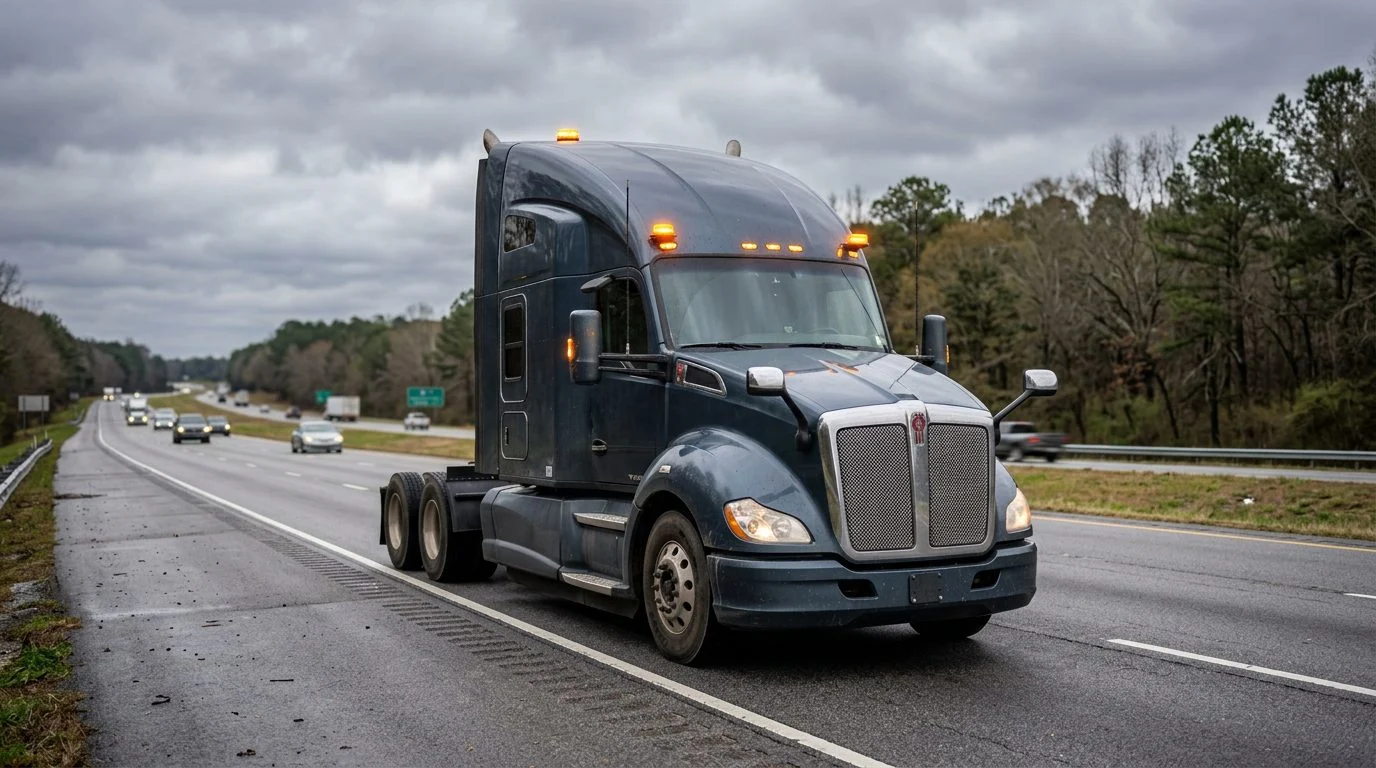
Truck Accidents | Atlanta, Georgia
Hurt in a Truck Crash? Learn Who May Be Held Responsible
Ugwonali Law Group represents people seriously injured in truck and car collisions, and families in wrongful death cases, across metro Atlanta and Georgia. We explain the legal and medical process in plain language, in English or Spanish.
Getting Started With Our Firm
Free
Case reviews and first consultations, with no obligation to continue
EN / ES
Intake in English or Spanish
Atlanta
Office at 3400 Peachtree Road NE
Statewide
Serving clients across metro Atlanta and Georgia
By Adanna Ugwonali · Published November 7, 2026
What a box truck injury claim is and who it is for
A box truck injury claim asks the at-fault party to pay for harm caused by a serious crash involving a commercial box truck. It is a civil case, and it can name the driver, the company that employed the driver, and other parties whose negligence (failure to use reasonable care) contributed to the crash.
Serious crashes often cause fractures, hospital and surgical care, traumatic brain injuries, spinal cord injuries, and death. Many of these cases involve a commercial or corporate insurance policy behind the at-fault party, and that policy shapes who gets named.
Ugwonali Law Group’s practice covers truck accidents, car accidents, catastrophic injury, traumatic brain injury, spinal cord injury, premises liability, and wrongful death. We serve Atlanta, Fulton, Clayton, Cobb, and Rockdale counties and statewide in Georgia. Our office is at 3400 Peachtree Road NE, Atlanta.
If a box truck crash left someone you love seriously hurt, our team can talk with you about who may be responsible, at no cost and without any obligation. Talk it through with our team — the first consultation is free, confidential, and carries no obligation.
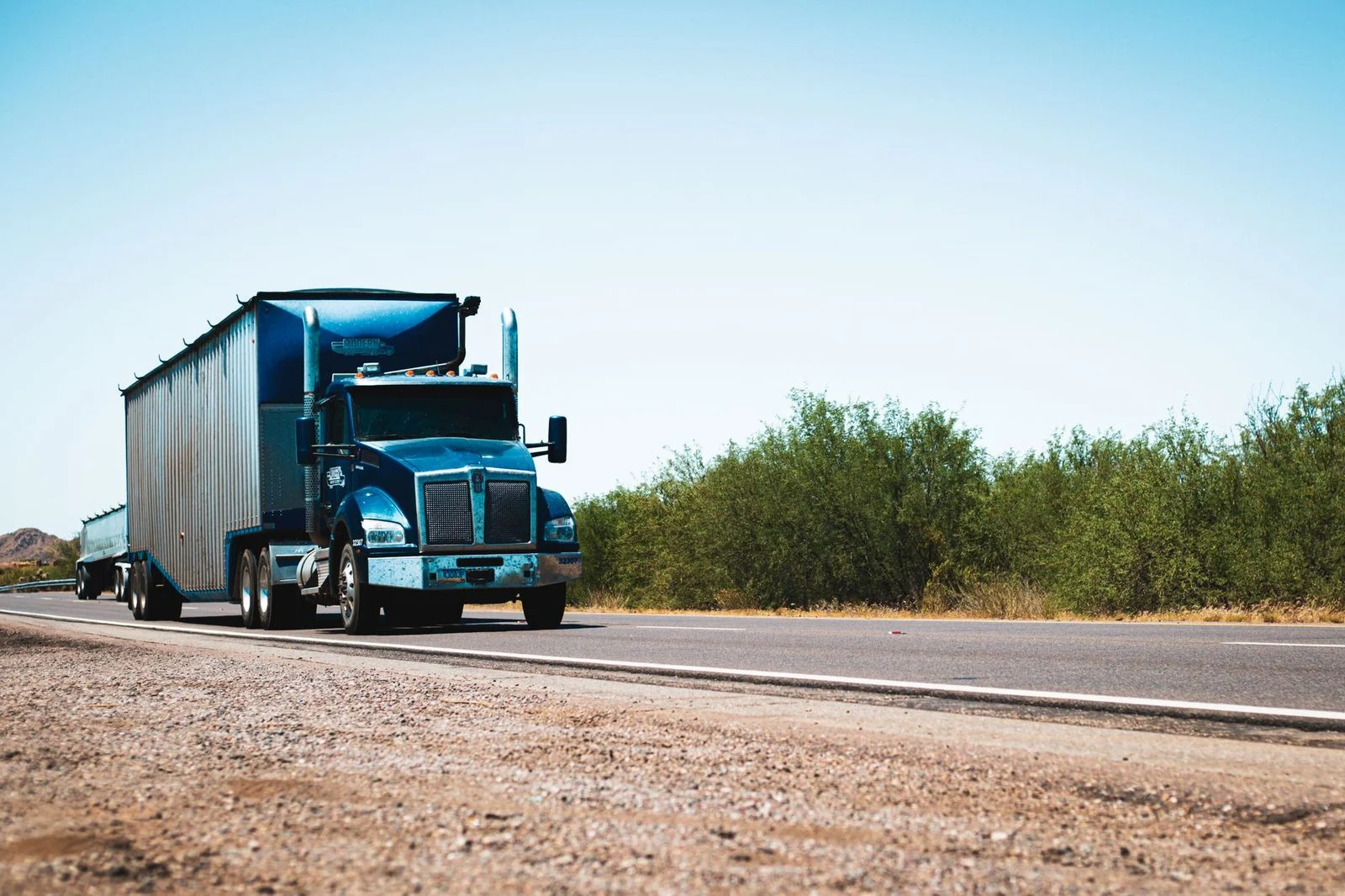
Who can be held responsible in a box truck crash
Several parties can share responsibility, so the driver is often not the only one. Which parties apply depends on the facts of each crash.
- The driver. A driver can be liable for careless acts such as speeding, following too closely, distracted driving, impaired driving, or fatigue.
- The employer or motor carrier. Georgia law makes a person liable for torts of a servant committed within the scope of the person’s business. See O.C.G.A. § 51-2-2. This is why the company that employed the driver is often part of a truck accidents lawsuit in Atlanta.
- The company’s own decisions. Where the facts support it, a claim can look at how the company hired, trained, supervised, or assigned the driver.
- The vehicle owner or maintenance contractor. Brake, tire, or steering failures can contribute. Carriers must keep vehicles in safe condition under 49 CFR § 396.3.
- Cargo loaders and parts makers. Unsecured loads or defective parts can add to a crash.
See O.C.G.A. § 51-12-33.
What a claim can recover and the evidence it depends on
General damages, such as pain and suffering, can be recovered without proof of an exact amount. Special damages, such as medical bills and lost wages, must be proved. See O.C.G.A. § 51-12-2.
When a crash causes a death, O.C.G.A. § 51-4-2 lets a surviving spouse recover the full value of the decedent’s life, as shown by the evidence. If there is no surviving spouse, a child or children may recover. The surviving spouse receives no less than one-third of the recovery.
Key evidence often includes:
- The police crash report and witness statements
- Electronic logging device (ELD) data and driving-hour records
- Driver qualification files and training records
- Maintenance and inspection records
- Dashcam footage and cargo records
Some records have set retention periods. Carriers must keep inspection and maintenance records for one year and for six months after a vehicle leaves their control, per 49 CFR § 396.3. Early requests help protect these records.
How the claim process works, step by step
Most claims follow the same general path, though each one moves at its own pace.
- Free first consultation. You share the crash details, your injuries, and the parties involved. The first consultation is free, confidential, and carries no obligation to continue.
- Investigation. The team gathers the police report, identifies insurers, and requests records from the trucking company. Driving-hour rules, such as the 14-hour limit in 49 CFR § 395.3, can make logs important evidence.
- Medical documentation. Treatment from a medical doctor is tracked alongside the claim, so the full scope of injuries is documented.
- Demand and negotiation. The claim is presented to the insurers for the at-fault parties.
- Lawsuit, if needed. If a fair resolution is not reached, a lawsuit can be filed in the appropriate Georgia court.
Timelines vary with injury severity, the number of parties, and the court schedule. Discovery, depositions, and mediation or trial can take a long time in commercial-vehicle cases.
Partial fault, deadlines, and common insurance defenses
Georgia’s general deadline for injury lawsuits is two years after the right of action accrues. See O.C.G.A. § 9-3-33. Acting early also helps preserve evidence while it is still available.
Partial fault does not always end a claim. Under O.C.G.A. § 51-12-33, damages are reduced in proportion to the injured person’s share of fault. A plaintiff who is 50 percent or more responsible cannot recover damages.
Under O.C.G.A. § 40-1-112(a), a motor carrier’s failure to file the required forms “shall not diminish the rights of any person to pursue an action directly against a motor carrier’s insurer.” Subsection (c) separately limits when the insurer may be joined in the same action as the carrier. Under O.C.G.A. § 40-1-112, the insurer can be joined in the same action only when a related motor carrier is insolvent or bankrupt, or when personal service cannot be made on the driver or the motor carrier after reasonable diligence.
Insurers often dispute liability, blame the driver alone, question how serious the injuries are, or point to earlier health problems. Having a clear record of treatment and crash facts helps answer these points.
Why injured people bring these cases to our firm
Adanna Ugwonali is the responsible lawyer for this page. Our lawyers and support staff handle serious injury and wrongful death matters for clients across metro Atlanta and statewide in Georgia.
Our approach is to explain each step in plain language. We focus on the facts of each crash, not on promised results. No outcome can be predicted from the facts of one crash.
Intake staff can speak with you in English or Spanish. The first consultation is free, confidential, and carries no obligation to continue. Our office is at 3400 Peachtree Road NE, Atlanta.
Not sure what your next step is?
Talk it through with our team — the first consultation is free, confidential, and carries no obligation.
Frequently asked questions about box truck injury claims
Can I sue a trucking company after a box truck crash in Atlanta?
Yes, where the facts support negligence by the company, its driver, or another party.
Can I sue the driver and the company together?
Often, when the facts support claims against both. Each liable person’s share of fault is decided separately.
What if I was partly at fault?
Georgia reduces damages by your share of fault. A plaintiff who is 50 percent or more responsible cannot recover damages (O.C.G.A. § 51-12-33 (Quynn v. Hulsey (2020))(g)).
How long do I have to file?
Georgia’s general deadline for injury claims is two years under O.C.G.A. § 9-3-33.
Who can bring a wrongful death claim?
A surviving spouse can recover under O.C.G.A. § 51-4-2. If there is no surviving spouse, a child or children may recover.
Will I have to pay anything upfront?
The first consultation is free, confidential, and carries no obligation to continue.
Talk with our team about your box truck crash
If a box truck crash left you or someone you love seriously hurt, or took a family member’s life, you may be making decisions while still dealing with medical care and grief. You do not have to sort out who may be responsible on your own. Our intake team can talk with you in English or Spanish during a free, confidential first call, with no obligation to continue. Reach out through our contact page to start that conversation.
How We Approach Your Case
Explanations first
We walk you through how truck crash claims are built, from the crash report to the medical records, so you know what to expect at each step.
Attention to your injuries
Serious injuries such as fractures, brain injuries, and spinal cord injuries often need ongoing care. We take your treatment and recovery seriously from the start.
Careful review of responsibility
Crashes involving trucks can involve several parties, including the driver, the carrier, and others. We look at each possible source of responsibility.
Easy first contact
Our intake team answers calls and can speak with you in English or Spanish. Your first consultation is free and confidential.
Before You Speak With an Insurance Company
Insurance adjusters for the at-fault party may contact you soon after a crash. Talking with a lawyer before giving a recorded statement or signing any paperwork can help you understand what you are agreeing to.
Parties That May Be Held Responsible in a Truck Crash
The trucking company
The carrier that employed or contracted with the driver may be responsible for negligent hiring, training, dispatch, or supervision.
The truck driver
A driver who was distracted, fatigued, impaired, or speeding may be personally responsible for the crash.
Maintenance and repair providers
Companies that inspected or repaired brakes, tires, or other equipment may share responsibility if their work was careless.
Cargo loaders and manufacturers
Improperly loaded cargo or defective parts can contribute to a crash, and the companies involved may be part of a claim.