


Truck Accidents | Atlanta and Georgia
Truck Crash Records That Can Shape Your Injury Claim
Driver logs, drug and alcohol testing, and maintenance files can reveal what happened before a serious collision. Here is how to think about them.
By Adanna Ugwonali · Published November 25, 2026
If someone you love was hurt in a truck accident, driver logs and post-accident testing may be new to you.
Federal rules can require alcohol and drug testing of the driver after certain serious truck crashes. They also require trucking companies to keep records of driving hours.
Why Testing and Driver Logs Matter After a Serious Truck Crash
Test results and driver logs are two separate records. Both document what the driver was doing before the crash.
A test shows whether alcohol or drugs were in the driver’s system after the crash. A log shows when the driver was driving, working, resting, or off duty.
You may be in a hospital or caring for a relative right now. These records can feel far away from that. Still, they often matter to a case, so knowing what they are helps.
The trucking company holds these records, not the injured person. That is why families often need to ask for them early. This guide explains the rules and what the records contain.
If you're unsure what a truck driver's logs or test results mean after a serious crash, our team can talk it through with you. Talk it through with our team — the first consultation is free, confidential, and carries no obligation.
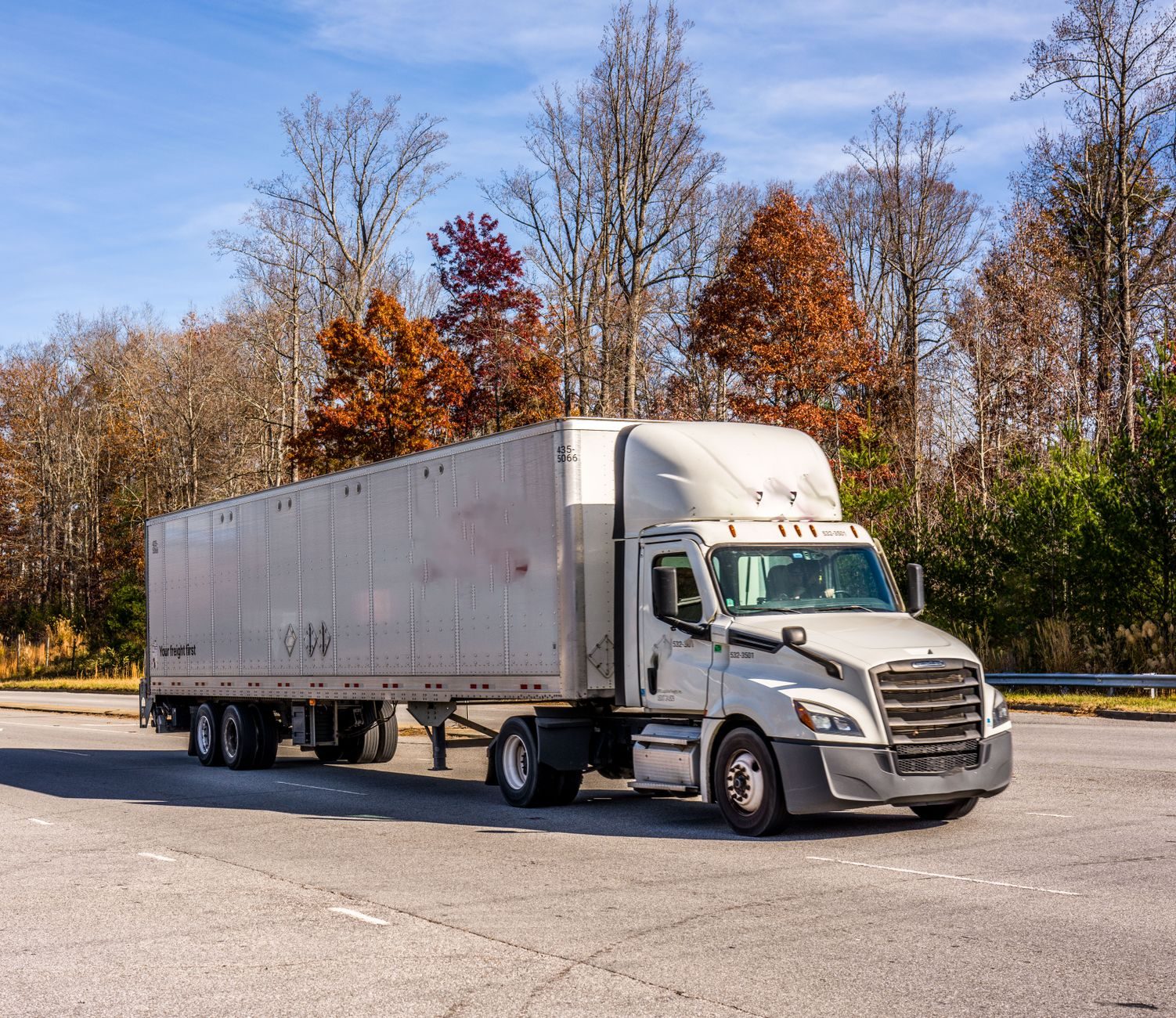
When Federal Rules Require a Post-Accident Drug and Alcohol Test
Federal rules require testing after certain crashes, including any crash that causes a death.
Under 49 C.F.R. § 382.303, as soon as practicable following an occurrence involving a commercial motor vehicle operating on a public road in commerce, the employer must test each surviving driver for alcohol. This applies when the driver was doing safety-sensitive work and the crash involved a loss of human life.
Other triggers exist.
The clock matters. If an alcohol test is not given within two hours, the employer must keep a written record of why. Alcohol test attempts stop at eight hours. Drug test attempts stop at 32 hours, and the reasons must be recorded.
The employer must keep a record explaining why a test was not promptly given.
The employer arranges the tests and must prepare and maintain on file a record stating the reasons a test was not promptly administered. The rule also protects medical care. Nothing in it requires delaying necessary medical attention for injured people.
What a Truck Driver’s Log Records and How Hours-of-Service Rules Work
A driver log, called a record of duty status, shows how a driver spent each 24-hour period.
Carriers must require each driver to record duty status for every 24-hour period. The method follows the federal rule (49 C.F.R. § 395.8).
A carrier that must use an electronic logging device (ELD) has to use one on FMCSA’s registered list (49 C.F.R. § 395.22). An ELD automatically records the date, time, CMV geographic location, engine hours, vehicle miles, driver or authenticated user identification data, vehicle identification data, and motor carrier identification data; when the driver has indicated authorized personal use of a commercial motor vehicle, location is logged with a single decimal point resolution (approximately within a 10-mile radius), and engine hours and vehicle miles are left blank only in intermediate recordings created during that period (49 C.F.R. § 395.26).
Duty status falls into four types: driving, on duty but not driving, sleeper berth, and off duty. Each change is logged with a time and place.
The main hours limits come from 49 C.F.R. § 395.3. A driver may not drive without first taking 10 consecutive hours off duty. A driver may not drive after 14 consecutive hours on duty following that rest.
Within that 14-hour period, a driver may drive 11 hours in total.
Weekly caps also apply. The limit is 60 hours on duty in 7 days, or 70 hours in 8 days, depending on whether the carrier runs trucks every day of the week.
How Logs and Test Records Can Support a Truck Accident Claim
Logs and test records can help show what happened before a crash. Each one is still only one piece of evidence.
Investigators can compare log entries with fuel receipts, dispatch messages, and GPS data. The goal is to see whether the recorded hours fit the trip. Carriers must keep supporting documents, such as dispatch records and expense receipts, to verify on-duty time (49 C.F.R. § 395.11).
If records show a driver went past the limits, or skipped a required break, that may bear on how the crash happened. Test results and their timing carry weight too. How much weight depends on the facts of each crash and the rules that applied.
Georgia law also looks at the trucking company’s own conduct. In Quynn v. Hulsey, the Supreme Court of Georgia said claims for negligent hiring, training, supervision, and retention are based on the employer’s own negligent acts.
That same case also explains Georgia’s fault bar. A plaintiff who is 50 percent or more responsible for the injury or damages claimed cannot recover damages (O.C.G.A. § 51-12-33; Quynn v. Hulsey (2020)).
The other side can offer its own explanations for any record. Each entry needs review in context.
Signs That Driver Records May Not Match the Trip
A mismatch between records is a reason to look closer. It is not proof of a violation on its own.
Reviewers often look at a few patterns. Gaps in ELD data stand out, and so do edits to duty status entries. Entries that conflict with fuel or toll receipts also draw attention, as do driving times that run past the limits.
Federal rules set clear duties. No driver or motor carrier may make a false report about duty status (49 C.F.R. § 395.8). A driver must review ELD records, correct inaccurate entries, and certify them (49 C.F.R. § 395.30).
A carrier may not alter or erase the original hours-of-service information. No motor carrier or driver may destroy or alter existing information contained in a supporting document (49 C.F.R. § 395.11).
Maintenance and inspection records, post-accident test records, and any GPS, dashcam, or engine data can be checked alongside logs. Together, they help line up the timeline.
Georgia Timing: What to Gather and Preserve Now
Georgia generally requires an injury lawsuit to be filed within two years. Federal log retention is much shorter.
Under O.C.G.A. § 9-3-33, actions for injuries to the person must generally be brought within two years after the right of action accrues, except for actions involving loss of consortium, which must be brought within four years after the right of action accrues.
Federal rules require a motor carrier to keep driver records for at least six months from the date of receipt (49 C.F.R. § 395.8). That window is short, so early written requests to preserve records can matter.
Start gathering these items now:
- The police report number and the responding agency
- Photos of the vehicles, the scene, and your injuries
- Medical records, bills, and notes on missed work
- Names and phone numbers of witnesses
- Letters or messages from the trucking company or its insurer
Common Questions
How long does a trucking company keep driver logs after a truck accident?
Federal rules require at least six months from the date of receipt.
Does every truck crash require a drug or alcohol test?
No. Federal rules set specific triggers, and a crash involving a death is one of them.
How long do I have to file an injury lawsuit in Georgia?
Georgia generally allows two years after the right of action accrues.
Not sure what your next step is?
Talk it through with our team — the first consultation is free, confidential, and carries no obligation.

Talk With Our Team About Your Crash
A serious truck crash can leave records you have never seen before. A free review can help you understand what they mean for your situation.
You may be in a hospital room or planning a funeral. Ugwonali Law Group represents people seriously hurt in truck and car crashes, and families in wrongful death cases, across metro Atlanta and Georgia. The firm’s office is at 3400 Peachtree Road NE, Atlanta, Georgia.
If you’re unsure what a truck driver’s logs or test results mean after a serious crash, request a free case evaluation. Our team can talk it through with you. Intake is available in English or Spanish.
La consulta inicial es gratuita, confidencial y sin compromiso de continuar. (The first consultation is free, confidential, and without any obligation to continue.)
Responsible lawyer: Adanna Ugwonali, Ugwonali Law Group, 3400 Peachtree Road NE, Atlanta, Georgia. Contact: https://www.attorneyadanna.com/contact. This page is general information, not legal advice.
How we approach truck crash records
Identifying the right records
We explain which driver, carrier, and vehicle records may relate to a serious crash, and why each one matters to the facts.
Plain-language explanations
Medical and legal terms can be confusing. We walk you through the process one step at a time, in English or Spanish.
Protecting important evidence
Records can be lost or overwritten over time, so we focus on identifying and requesting key information early.
Support for injured people and families
We work with people facing fractures, brain and spinal injuries, and wrongful death, and we keep you informed as your case moves forward.
Time matters with trucking records
Trucking companies and insurers may not keep every record indefinitely. Asking early helps make sure important information is preserved while the facts are still fresh.
Records we often review after a serious truck crash
Driver logs and hours
Electronic or paper logs can show driving time, rest breaks, and location data near the time of the crash.
Drug and alcohol testing
Post-crash and random test results, and the circumstances surrounding them, can be central to understanding what happened.
Vehicle maintenance files
Inspection reports, repair histories, and defect notices can point to mechanical problems that contributed to a collision.
Dispatch and cargo details
Trip assignments, delivery schedules, and load information can help explain pressure on the driver and the timeline of events.