


Car & Truck Crashes | Atlanta & Georgia
Your Child Was Hurt in a Georgia Crash. Here Is What to Do Next.
Plain-language guidance for parents facing a child's spinal injury, from the first hospital visit to the decisions that come after.
By Adanna Ugwonali · Published November 15, 2026
Your child was hurt in a Georgia crash, and the term “spinal cord injury” may be new and frightening. Many parents ask the same question in the first days: what should we do now?
The short answer is to follow the medical team’s plan, keep careful records of care and costs, be cautious with insurance statements, and get legal guidance early. Georgia’s time limits and fault rules can shape a child’s claim, so early questions matter.
What a Spinal Cord Injury Means for a Child
A spinal cord injury damages the nerve pathway that carries signals between the brain and the body. A child may lose movement, feeling, bladder or bowel control, or breathing strength, depending on where the injury is. The Model Systems Knowledge Translation Center publishes research-based factsheets on these effects.
Doctors often describe an injury as complete or incomplete. Generally, a complete injury means no movement or feeling is present below the level of injury. An incomplete injury means some function remains. These labels describe the injury at one point in time. They do not predict how a child will recover. Doctors often reassess children as they heal and begin therapy, so parents should ask the medical team what each label means for their child.
If your child is recovering from a spinal cord injury after a Georgia crash, our team can talk through what comes next with you, starting with a free case evaluation. Talk it through with our team — the first consultation is free, confidential, and carries no obligation.
How Medical Doctors Document a Spinal Cord Injury
Doctors document a spinal cord injury through an emergency exam, imaging, and repeated nerve and strength tests. Typical steps include CT or MRI scans of the spine, checks of reflexes and muscle strength, and consultations with rehabilitation doctors and other physicians.
The medical record matters for two reasons. It guides the child’s care, and it becomes key evidence in any later claim. Ask for copies of records, imaging reports, and itemized bills as they are issued. Under O.C.G.A. § 51-12-1.1, medical expense damages are limited to the reasonable value of medically necessary care. If the child has any form of health insurance, evidence includes both the amounts charged and the amounts actually necessary to satisfy those charges under the insurance contract, regardless of whether the insurance has been used, is used, or will be used to satisfy the charges.
Keep a simple daily log. Write down symptoms, appointments, medicines, therapy sessions, and any missed school or work. Notes written close to the time they happen are easier to rely on later.
Warning Signs Families Should Not Wait On
New weakness, numbness, trouble walking, neck or back pain, bladder or bowel changes, and trouble breathing all need prompt medical attention. If breathing is hard or a child cannot move a limb, call 911 right away.
A child who seems to move normally after a crash still needs a full medical evaluation. Symptoms can show up hours or days later. Tell the medical team about every change, even one that seems small.
Follow the medical team’s instructions for follow-up visits, therapy, and medicines. If a visit is missed, write down why.
Early Steps Parents Can Take After a Georgia Crash
The most useful early steps are getting the crash report, saving records, and writing down what happened while memories are fresh. Ask the investigating agency for a copy of the crash report.
When it is safe to do so, photograph the vehicles, the scene, and any road conditions. Collect names, phone numbers, and insurance details from everyone involved. Keep copies of everything you send or sign.
Keep every receipt and bill. These include hospital charges, equipment, prescriptions, travel to appointments, and home changes. Under O.C.G.A. § 51-12-7, necessary expenses from an injury are a legitimate item in the estimate of damages.
Insurance adjusters may ask for a recorded statement soon after a crash. Before answering, ask what the statement is for. Stick to facts you know, and say so when you don’t know something.
How a Claim for an Injured Child Generally Works in Georgia
A child’s injury claim in Georgia follows general rules, with extra time for minors and strict proof of medical costs. Who brings the claim and when the clock starts both turn on the facts of the case.
Georgia’s general deadline for a personal-injury lawsuit is two years, under O.C.G.A. § 9-3-33. For a child, O.C.G.A. § 9-3-90(b) gives a person under 18 the same time after turning 18 that other people get, with exceptions under O.C.G.A. § 9-3-33.1. Parents should not assume the extra time covers every case.
Georgia also separates general damages from special damages. Under O.C.G.A. § 51-12-2, special damages, such as medical bills, must be proved. Under O.C.G.A. § 51-12-13, when figuring the present value of future medical expenses, living expenses, lost wages, or other economic damages, a jury or judge may reduce them using a 5 percent discount rate or another rate it finds appropriate.
When a Commercial Truck or Company Vehicle Is Involved
When a company truck is involved, the at-fault party may include the driver, the employer, or both. In Quynn v. Hulsey (2020), the Supreme Court of Georgia treated negligent hiring, training, supervision, and retention as the employer’s own negligence. Claims for negligent hiring, training, supervision, and retention are based on the alleged negligent acts of the employer, as explained in Quynn v. Hulsey, 310 Ga. 473 (2020).
An earlier Court of Appeals decision, Beasley v. A Better Gas Co., states that an injured party may sustain a claim against a corporation for negligently training an employee.
A minimum is a floor. It does not decide what a child’s claim is worth.
Parents can note the company name on the truck, any department of transportation number shown, and the trailer number. Fault is pieced together from the crash report, records, and witness accounts.
Not sure what your next step is?
Talk it through with our team — the first consultation is free, confidential, and carries no obligation.
Planning for Rehabilitation and Long-Term Care
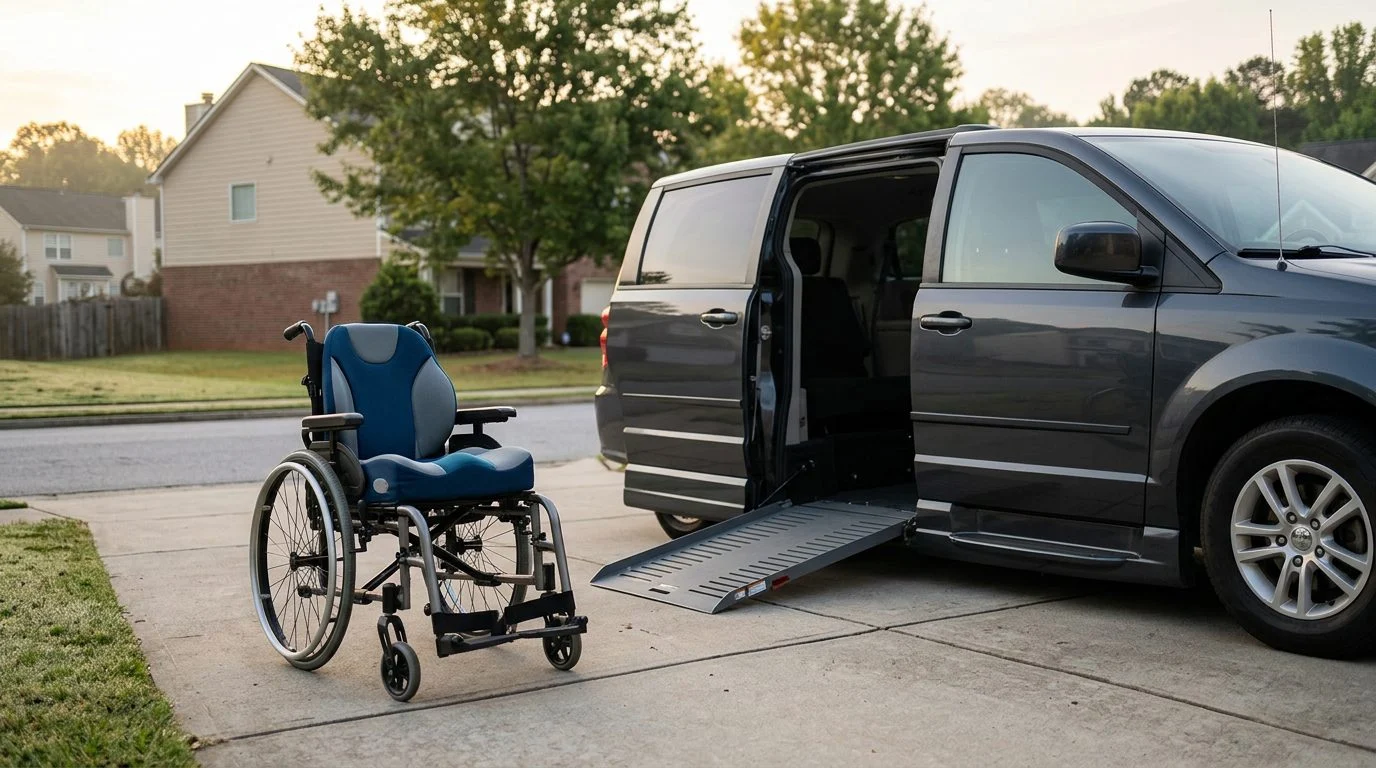
Planning for long-term care usually starts while a child is still in active treatment. Needs often include physical and occupational therapy, equipment such as braces or wheelchairs, home changes such as ramps or wider doorways, school accommodations, and counseling. The Model Systems factsheets cover long-term care needs after spinal cord injury.
Write a care plan that lists providers, equipment, appointment schedules, and goals. Share it with the child’s medical team, and update it as the child grows and needs change.
Talk With Ugwonali Law Group About Your Child’s Crash
If your child has a spinal cord injury from a Georgia car or truck crash, Ugwonali Law Group offers a free first consultation. La consulta inicial es gratuita, confidencial y sin compromiso de continuar. In English: the initial consultation is free, confidential, and has no obligation to continue.
Adanna Ugwonali is the responsible lawyer for this page. The firm represents people seriously hurt in truck and car crashes across metro Atlanta, including Fulton and Clayton counties, and statewide in Georgia. Intake is available in English or Spanish. For more on serious injury cases, see our catastrophic injury overview.
Can my child’s claim be reduced if my child is partly at fault?
Yes, Georgia reduces damages by the injured person’s share of fault. Under O.C.G.A. § 51-12-33, a person 50 percent or more responsible recovers no damages.
Should I keep every bill from the hospital?
Yes. Keep every bill, receipt, and statement. Necessary expenses from an injury can be part of a damages estimate.
If your child is recovering now and you are weighing your next steps, request a free case evaluation through our contact page.
Disclaimer: This page is general information, not legal advice. Adanna Ugwonali is the responsible lawyer for this page. Ugwonali Law Group, 3400 Peachtree Road NE, Atlanta, Georgia.
How Ugwonali Law Group Works With Families
Plain-language explanations
We explain the legal process and the medical terms your family hears, so you know what is happening at each step.
Focus on your child's recovery
Our team keeps your attention on your child's care while we handle the details of the claim.
English or Spanish
Our intake staff can speak with you in English or Spanish from the first call.
A free first consultation
The first consultation is free, confidential, and carries no obligation to continue.
Keep Your Child's Medical Care on Track
Follow every doctor's instruction, attend follow-up appointments, and tell the care team about every symptom, even small ones. Gaps in treatment can complicate a claim later.
Four Steps Parents Can Take Now
Get medical care first
Your child's health comes first. Follow the treatment plan and keep notes on how your child is doing.
Keep every record
Save bills, receipts, statements, discharge papers, and letters from insurers in one place.
Write down what happened
Note the date, time, location, weather, and anything you or others saw or heard while the details are fresh.
Talk with our team early
A free case review can help you understand your options and the steps that come next for your family.