

Premises Liability · Conyers, Georgia
Hurt on Someone Else's Property in Conyers? Learn How an Injury Claim Works
Ugwonali Law Group, led by attorney Adanna Ugwonali, helps people seriously injured in slip and falls, trip and falls, and unsafe-property accidents in Conyers, Rockdale County, and across Georgia. Start with a free, confidential case review.
Getting Started With Our Firm
Free
Case review and first consultation
2
Languages: English and Spanish intake
Atlanta
Office at 3400 Peachtree Road NE
By Adanna Ugwonali · Published October 26, 2026
A premises liability Conyers claim starts with one question: did an unsafe condition on someone else’s property cause your injury? This guide explains how Georgia law treats these claims, what an injured person needs to show, and which steps protect a claim after a serious fall. Ugwonali Law Group serves clients in Conyers and Rockdale County from its Atlanta office at 3400 Peachtree Road NE.
What Premises Liability Means for Injuries in Conyers and Rockdale County
Premises liability is a legal claim against the owner or occupier of a property when an unsafe condition there causes injury. An occupier is the party in control of the space, such as a store operator, a landlord, or a property manager.
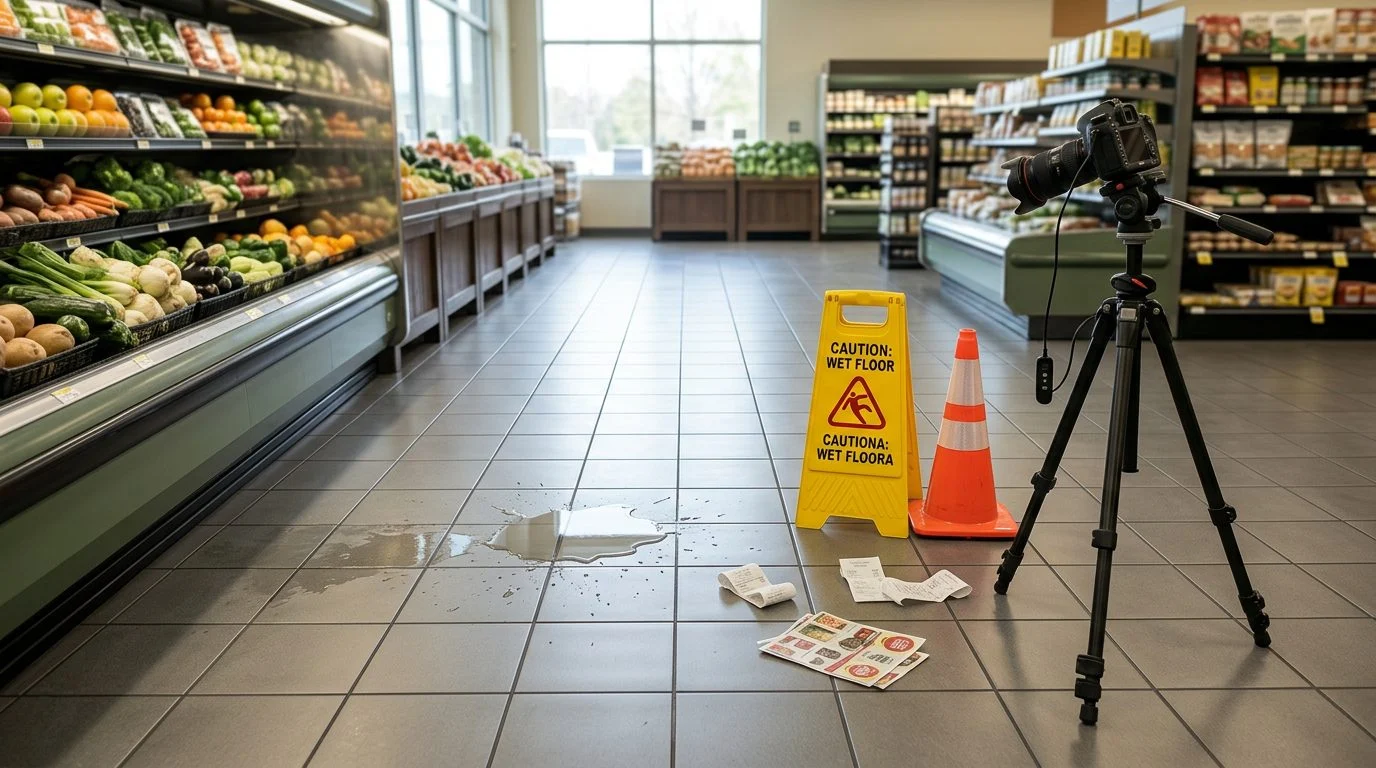
Common settings in Conyers and across Rockdale County include retail parking lots, grocery and shopping centers, apartment communities, office buildings, and private stairwells. A wet entrance at a grocery store, a broken step at an apartment building, or a deep pothole in a shopping center lot can each lead to a serious fall.
The injured person’s reason for being on the property matters. Under O.C.G.A. § 51-3-1, an owner or occupier who invites people onto its premises for a lawful purpose must use ordinary care to keep the premises and approaches safe.
If a fall on a Conyers or Rockdale County property left you hurt and unsure what comes next, our team can talk through your situation with you. Talk it through with our team — the first consultation is free, confidential, and carries no obligation.
Are Premises Liability Cases Hard to Win?
Some premises cases are contested, and most disputes center on two questions. The first is what the owner knew about the hazard. The second is whether that hazard actually caused the fall.
Owners often say they had no idea a spill or a broken board was there. The question then becomes what the owner knew or should have known. A hazard that sat for a long time may suggest a missed inspection. A hazard the owner’s own staff created may point to actual knowledge.
Timing and records shape how these questions get answered. Memories fade, and conditions change quickly after an incident, so early documentation matters.
No lawyer can promise how a premises claim will turn out. Each case depends on its own facts, including the property, the condition, and the injuries involved.
What Premises Liability Covers: Common Injuries and Hazards
Premises liability covers injuries from unsafe conditions that the owner controls or should have corrected. A slip happens when your feet lose grip on a slick surface. A trip happens when your foot catches on something you did not see.
Common examples include:
- Slip and fall: wet floors without warning signs, spills left in aisles, icy walkways, and uneven flooring.
- Trip and fall: torn carpet, broken pavement, potholes in parking lots, cracked curbs, and unmarked level changes.
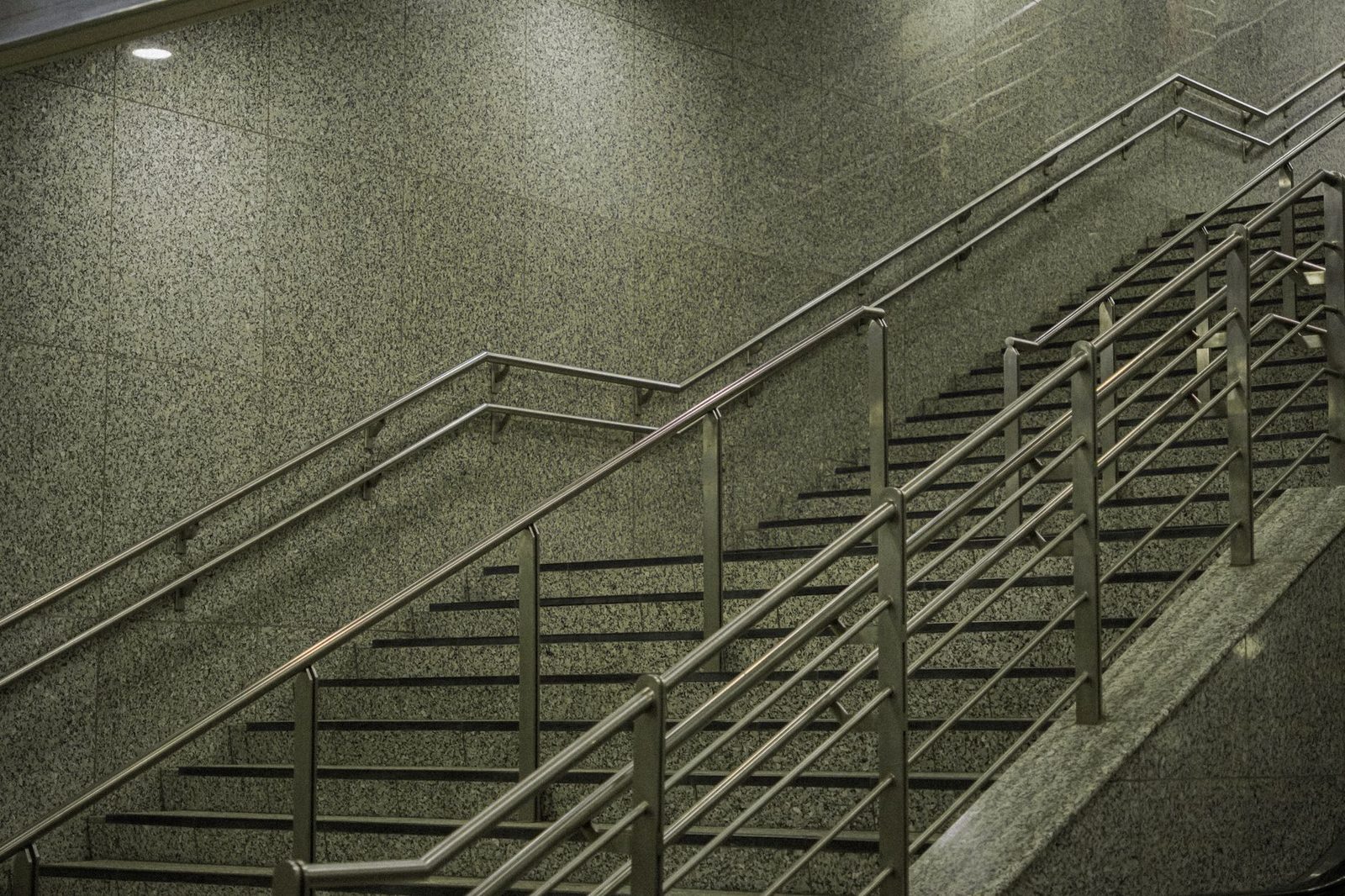
- Unsafe property conditions: loose handrails, broken stairs, collapsed railings, dim stairwell lighting, and falling merchandise.
These events often cause serious harm. Bone fractures, head injuries, spinal injuries, hospital admissions, and surgery are all common outcomes. When a fall is fatal, the family may bring a wrongful death claim.
Safety standards give a useful benchmark. The federal workplace agency publishes OSHA’s walking-working surfaces guidance, which covers slip, trip and fall hazards on walking surfaces. Those standards show what a safe surface is expected to look like.
Georgia Premises Liability Law: The Rules That Apply
Georgia law sets the owner’s core duty and the time limit for filing suit. The duty comes from O.C.G.A. § 51-3-1, which requires ordinary care in keeping premises safe for invitees.
The filing window is short. Under O.C.G.A. § 9-3-33, except as otherwise provided by law, actions for injuries to the person must be brought within two years after the right of action accrues, while actions involving loss of consortium have four years.
Fault can reduce recovery. Under O.C.G.A. § 51-12-33, a judge reduces damages in proportion to the injured person’s share of fault. A plaintiff who is 50 percent or more responsible cannot receive any damages.
Landlords have their own rule. Under O.C.G.A. § 44-7-14, a landlord that has fully parted with possession and the right of possession is generally not responsible to third persons for damages from a tenant’s negligence or illegal use of the premises. The landlord stays responsible for defective construction and for failing to keep the premises in repair.
Common Questions About Premises Liability Conyers
How long do I have to file?
Georgia generally allows two years after the right of action accrues for personal injury claims. The statute linked above, O.C.G.A. § 44-7-14, concerns when a landlord that has fully parted with possession is responsible to third persons for damages; it does not set that period.
Can I recover if I was partly at fault?
In some cases, yes, but your damages are reduced by your share of fault (O.C.G.A. § 51-12-33; Quynn v. Hulsey (2020)). At 50 percent or more, you cannot receive damages.
How to Prove a Premises Liability Claim in Georgia
Every injury case is different, and the facts of each situation shape how it is evaluated. Each one connects the fall to the property owner’s responsibility.
- Duty: The owner or occupier, by express or implied invitation, induced or led the injured person to come onto the property for a lawful purpose, which gave the owner a duty of care.
- Breach: The owner failed to keep the property reasonably safe, failed to inspect, or failed to warn.
- Causation: The hazard caused the fall, and the fall caused the specific injuries. Medical records and treating physicians’ notes help tie these together.
- Damages: Losses from an injury can include medical bills, lost income, pain, and changes to daily life.
Georgia law also explains how damages work. Under O.C.G.A. § 51-12-2, general damages are presumed to flow from a wrongful act, while special damages must be proved. Under O.C.G.A. § 51-12-1.1, medical expense recovery is limited to the reasonable value of medically necessary care. That is why every treatment record and bill matters.
Evidence to Preserve After a Fall in Conyers
The most useful evidence usually comes from the first few days after the fall. Acting early makes a real difference, because conditions change and memories blur.
- Photos: Photograph the hazard, the area around it, the lighting, and any warning signs that are present or missing. Do this as soon as it is safe.
- Incident report: Ask the store, property manager, or landlord for an incident report. Write down who took it and when.
- Witnesses: Collect names and phone numbers, and note what each person saw.
- Clothing and shoes: Keep what you wore. Do not repair or throw these items away.
- Written account: Write a dated note describing where and how the fall happened, what you think caused it, and every symptom you notice.
- Medical and money records: Keep every medical record, bill, receipt, and prescription.
A common mistake is waiting weeks to write things down. Details that seem obvious today can be hard to recall later.
Not sure what your next step is?
Talk it through with our team — the first consultation is free, confidential, and carries no obligation.

Talk With Our Team About Your Conyers Premises Liability Question
If a fall on a Conyers or Rockdale County property left you with a fracture, a hospital stay, or ongoing treatment, you may be weighing whether to pursue a claim. Families who lost a loved one in a fall face their own questions. Under O.C.G.A. § 51-4-5, a personal representative may recover funeral, medical, and other necessary expenses when a death results from criminal or other negligence.
Ugwonali Law Group offers a free first consultation, which is confidential and comes with no obligation to continue. Intake staff can speak with you in English or Spanish.
The responsible lawyer for this page is Adanna Ugwonali, Ugwonali Law Group, 3400 Peachtree Road NE, Atlanta, Georgia.
If you are ready to talk, request a free case evaluation and our intake team will review what happened to you.
What to Expect When You Call Our Intake Team
A free first call
Tell us what happened and where. Our intake staff will listen and explain the next steps in plain language.
English or Spanish
You can speak with our intake team in English or in Spanish, whichever is most comfortable for you.
Confidential consultation
Your first consultation is confidential and comes with no obligation to continue.
Clear explanations
We explain the legal and medical process step by step, so you can make informed decisions about your claim.
Protect Your Information Early
Keep photos of the hazard and the area, the names and contact details of any witnesses, and copies of your medical records and bills. Before you speak with the property owner's insurance company about the incident, consider talking with a lawyer first.
Common Premises Liability Situations We Review
Slip and fall
Injuries from wet floors, icy walkways, spills left unattended, or unsafe flooring at stores, restaurants, and other commercial properties.
Trip and fall
Injuries from broken pavement, uneven surfaces, damaged stairs, or hazards that were not repaired or marked.
Unsafe property conditions
Injuries tied to defective stairs, railings, or structures that a property owner or manager failed to maintain.
Serious medical injuries
Fractures, head and spinal injuries, surgery, and hospital care that require ongoing treatment by a medical doctor.