

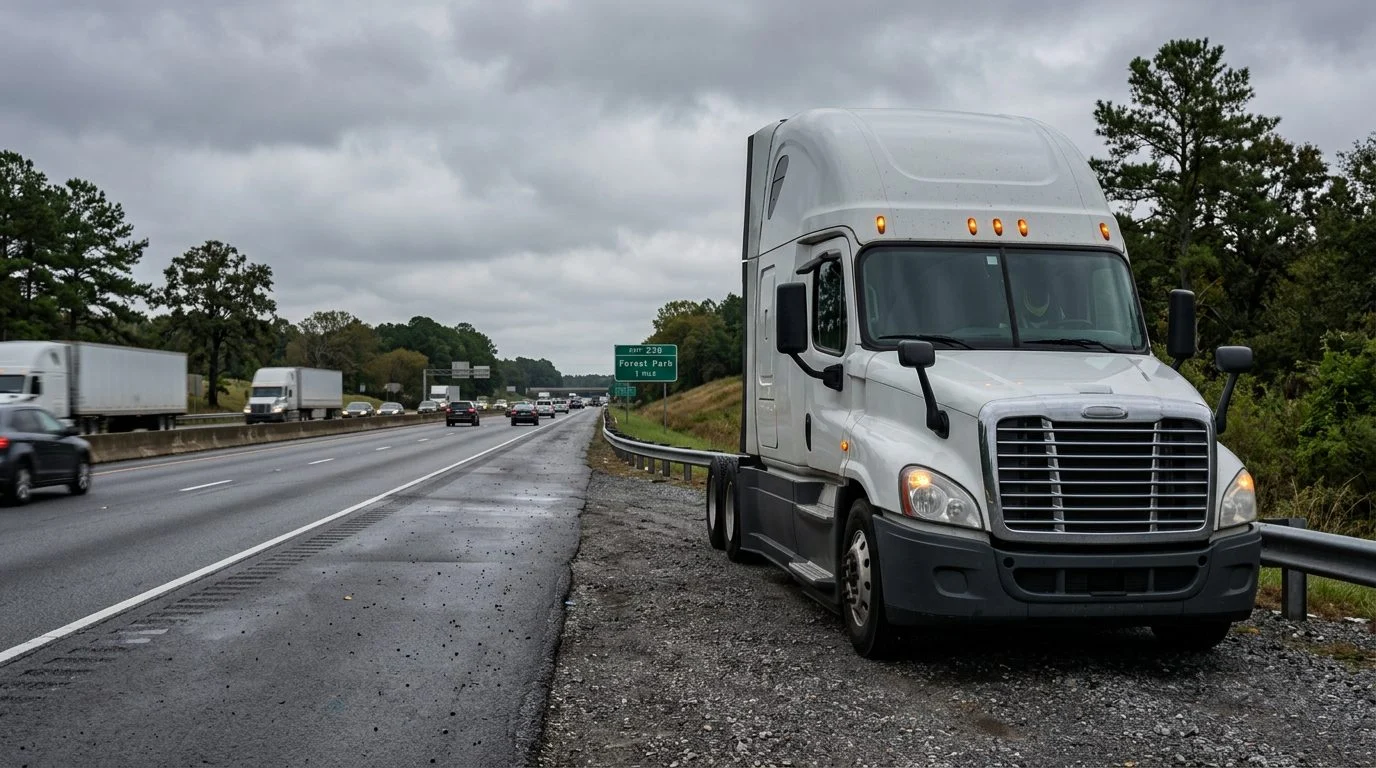
Truck Accidents | Atlanta, Georgia
Serious Truck Crash Injuries? Talk With Our Atlanta Team Today
A spinal cord injury or paralysis can change every part of daily life. Here is how our office helps injured people and families understand their options, one clear step at a time.
How We Work With You
Free
Case reviews and first consultation
2
Languages: English and Spanish
Georgia
Serving metro Atlanta and statewide
By Adanna Ugwonali · Published November 14, 2026
If a dump truck or construction truck crash left you or someone you love paralyzed, you likely have urgent questions. Who is responsible? What can a claim cover? What happens next? A truck accident paralysis lawyer can explain how Georgia law applies, and this guide answers those questions in plain language.
In short, a paralysis claim after a truck crash is a claim against the people and companies responsible for the crash. Those parties often carry commercial insurance, and more than one of them may share fault.
What a Dump Truck or Construction Truck Crash Claim Is and Who It Helps
A dump truck or construction truck crash claim seeks compensation from the parties responsible for a serious crash involving a heavy commercial vehicle. It is a personal injury claim when the injured person survives, and a wrongful death claim when a death results from a crime or from criminal or other negligence, such as a crash.
These claims involve dump trucks, concrete mixers, flatbed trucks, and haul trucks used on job sites and public roads. They are built for people with real medical treatment, such as fractures, hospital care, traumatic brain injuries, spinal cord injuries, and families after a death. Minor crashes without real injury are not the focus here.
Commercial trucks are usually insured through a business policy, not a personal auto policy. That is why these cases often involve more parties, more records, and more paperwork than an ordinary car crash claim.
If a dump or construction truck crash has left someone you love paralyzed, you may have a claim, and our team can review it with you in a free case review. Talk it through with our team — the first consultation is free, confidential, and carries no obligation.
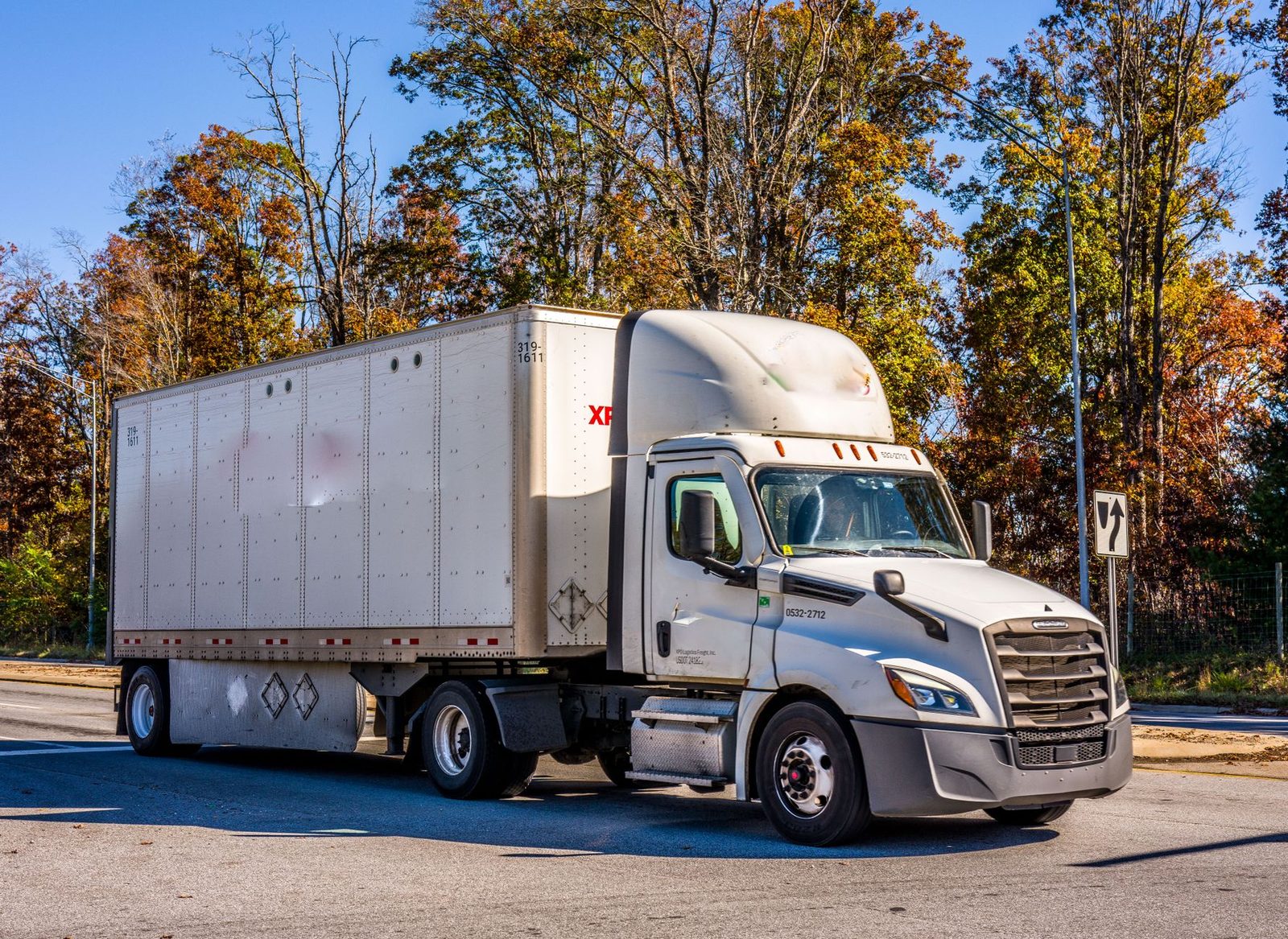
How Dump and Construction Truck Crashes Cause Spinal Cord Injuries and Paralysis
These crashes can injure the spinal cord when a heavy truck crushes, twists, or strikes the neck or back. The forces are large: the weight of a loaded truck, sudden stops, rollovers, and loads that shift or tip.
A pedestrian, cyclist, or driver of a smaller vehicle may suffer blunt force to the neck and back when a loaded truck hits them. This can happen on a public road or near a job site. Ejection from a vehicle can cause similar harm.
Spinal damage is not always obvious on the day of the crash. Early imaging and follow-up care protect your health, and they create the medical record that supports a claim. MedlinePlus spinal cord injury overview explains that these injuries can have potentially permanent effects.
Types of Paralysis: Paraplegia, Quadriplegia, and Incomplete Injuries
Paraplegia affects the legs and lower body. Quadriplegia, also called tetraplegia, affects all four limbs. Both are types of paralysis that can follow a serious spinal cord injury.
Paraplegia means lost movement and feeling in the legs and lower body. Quadriplegia means lost movement and feeling in the arms, legs, and trunk.
Incomplete paralysis means some movement or feeling remains below the injury. Treating physicians document the level and type of injury through exams and tests. That record guides treatment, equipment needs, and the scope of a claim.
Follow your treating doctors’ recommendations, and keep every record of care. Save appointment notes, therapy logs, prescriptions, and equipment receipts. Gaps in care can make a claim harder to document.
Who Can Be Held Responsible in a Georgia Truck Crash Claim
In many cases, a trucking company or other commercial party can be sued when its truck injures someone. Whether that is true depends on the facts of the crash and the relationship between the parties.
Possible responsible parties include:
- The driver.
- The employer or motor carrier.
- The truck owner.
- A contractor or site operator.
- Anyone responsible for maintenance, loading, or securing cargo.
Georgia law can make an employer liable for harm its worker causes while doing the company’s work. See O.C.G.A. § 51-2-2. See O.C.G.A. § 51-2-5.
In Quynn v. Hulsey, the Supreme Court of Georgia held that an employer’s admission that it answers for its driver does not end claims over its own fault.
Georgia also requires an employer to use ordinary care not to hire or keep an employee it knew or should have known posed a risk of harm. See Munroe v. Universal Health Services. For negligent entrustment of a vehicle, showing the owner should have known a driver was incompetent is not enough. See Western Industries, Inc. v. Poole.
Federal rules create a paper trail that can matter. Each motor carrier must keep a driver qualification file for each driver it employs, retained while the driver works there and for three years after, except for records that paragraph (d) allows to be removed three years after execution. See 49 CFR 391.51. Drivers must record their duty status and certify those entries. See 49 CFR 395.8. Carriers also keep an accident register for three years, according to the Colorado State Patrol summary of FMCSR Part 390. Dash camera video, when it exists, can also show how the crash happened.
Each crash has its own facts and evidence, so each claim is judged on its own record.
What a Truck Crash Claim Can Cover
A truck crash claim can seek compensation for losses that can be measured in money. Georgia law says damages compensate for an injury when the injury can be estimated in money; if an injury is small or the mitigating circumstances are strong, only nominal damages are given. See O.C.G.A. § 51-12-4.
Common categories include:
- Past and future medical care, including emergency care, surgery, hospital stays, rehabilitation, and ongoing treatment.
- Lost wages, and lost ability to earn income later.
- Assistive equipment, home or vehicle changes, and in-home care when a doctor documents the need.
- Other harms from the injury, weighed case by case.
Future losses may be reduced to present value. The judge or jury may apply a 5 percent discount rate or another rate it finds appropriate. See O.C.G.A. § 51-12-13.
A plaintiff who is 50 percent or more responsible cannot recover damages (O.C.G.A. § 51-12-33; Quynn v. Hulsey (2020)).
When a death results from a crime or from criminal or other negligence (such as a crash), Georgia law lets the personal representative recover funeral, medical, and other necessary expenses resulting from the injury and death. See O.C.G.A. § 51-4-5. See O.C.G.A. § 51-4-5. A lawyer cannot promise a particular amount or result.
How the Claim Process Works: Steps and Timeline
A typical claim moves from a free case review to evidence gathering, medical documentation, a demand to the insurer, and, when needed, a lawsuit.
- Free case review. You share the crash details and your medical situation. Intake is available in English or Spanish.
- Evidence preservation. Early written requests can ask the trucking company to keep logs, maintenance files, driver records, and video. After required retention periods end, companies may destroy records at their discretion, but this does not excuse compliance with other governmental bodies’ lawful requirements for longer retention periods. See 49 CFR 379.3. See 49 CFR 379.3.
- Medical care and records. Continue treatment with a medical doctor. The firm gathers records and bills that document the injury and its costs.
- Claim to the insurer. The claim is documented and presented to the responsible party’s insurer for evaluation.
- Negotiation or lawsuit. If a fair resolution is not reached, the claim may be filed in court. The National Center for State Courts reports that case-management issues can contribute to delay in civil cases.
For most personal injury claims, Georgia law sets a two-year deadline after the right of action accrues. See O.C.G.A. § 9-3-33. Exceptions exist, so early contact matters.
Not sure what your next step is?
Talk it through with our team — the first consultation is free, confidential, and carries no obligation.
Why Injured Georgians Contact Ugwonali Law Group
Ugwonali Law Group is a Georgia personal injury firm led by attorney Adanna Ugwonali. Its office is at 3400 Peachtree Road NE, Atlanta, Georgia.
The firm represents people seriously hurt in truck and car crashes, unsafe-property injuries, slip and falls, traumatic brain and spinal injuries, and families in wrongful death cases. It represents clients in metro Atlanta, Fulton, Clayton, Cobb, and Rockdale Counties, Marietta, Jonesboro, Conyers, and across Georgia.
Intake is available in English or Spanish. Our team includes support staff who help clients understand each step, from the first call through the medical and claim process.
Common Questions About Dump and Construction Truck Paralysis Claims
Can you sue a trucking company if its truck hits you?
Often, yes. The answer turns on the crash facts and on who had a role in the crash.
How hard is it to win a truck accident lawsuit?
Outcomes turn on proof of fault, medical records, and the facts of the crash. Results cannot be promised.
What personality changes are common after a spinal cord injury?
Ask your treating doctor about any changes in mood, thinking, or behavior you notice. Telling your care team early helps.
Is the first consultation free?
Yes. The first consultation is free, confidential, and without obligation to continue.
Will I have to pay case costs?
You may still be responsible for court costs and case expenses. The firm explains these during your review.
Can I get help in Spanish?
Yes. Intake is available in English or Spanish.
Next Step After a Dump or Construction Truck Crash in Georgia
If a dump or construction truck crash has paralyzed someone you love, or killed a family member, you do not have to sort out the next steps alone. Reach out to Ugwonali Law Group for a free case review through the firm’s contact page, or chat with the intake team in English or Spanish. The responsible lawyer is Adanna Ugwonali, at 3400 Peachtree Road NE, Atlanta, Georgia.
What Injured Clients Can Expect From Our Office
Your first call with intake
Our intake staff listens to what happened, answers your questions in English or Spanish, and explains what comes next.
Plain-language explanations
Attorney Adanna Ugwonali and our team walk through the legal and medical process so you can make informed decisions.
Support for families
When a crash leads to a death, our team helps surviving family members understand their questions and paperwork.
Office in Atlanta
Our office is located at 3400 Peachtree Road NE, Atlanta, Georgia, and we work with clients across metro Atlanta and the state.
Before You Speak With an Insurance Company
Insurance adjusters may call soon after a serious crash. Before you give a recorded statement or sign any release, consider talking with a lawyer about what you are being asked to say.
Steps That Can Help After a Serious Truck Crash
Get medical care
Seek evaluation from a medical doctor even if your injuries seem minor at first. Follow through with recommended treatment and keep every appointment.
Keep your records
Save discharge papers, bills, imaging results, prescriptions, and notes about pain, numbness, or changes in daily activities.
Document the scene
If you are able, note the date, location, vehicle markings, and any witnesses. Photos of injuries and property damage can be useful later.
Ask for a free case review
Share the facts of your crash with our office. We will listen, explain the process, and answer your questions with no obligation to continue.
Injured in a Truck Crash? Our Atlanta Office Can Listen Today.
Related practice areas
- Truck Accidents in Clayton County
- Truck Accidents in Cobb County
- How Far Back Can You Claim for an Accident in Georgia?
- Delayed Concussion Symptoms After a Georgia Crash or Fall
- How Long Before Brain Injury Can Symptoms Occur?