


Premises Liability | Atlanta and Georgia
Hurt on Someone Else's Property? You Don't Have to Sort It Out Alone.
Ugwonali Law Group helps people with serious injuries from falls and unsafe conditions understand their options, one clear step at a time.
By Adanna Ugwonali · Published November 12, 2026
Slipping on a wet store floor or falling through a broken stair can change your life in seconds. If that happened on property you don’t own, you may be asking who pays for the hospital bills and the lost wages.
Under Georgia law, an owner or occupier that, by express or implied invitation, induces or leads others to come upon its premises for any lawful purpose can be liable for injuries caused by its failure to exercise ordinary care in keeping the premises and approaches safe. This page explains how a premises liability claim works, what you generally need to show, the deadlines that matter, and what happens at a free case review with Ugwonali Law Group.
What Premises Liability Means and Who It Covers
Premises liability is a claim against the owner or occupier of property when an unsafe condition there causes an injury. An occupier is the person or business that controls the property day to day, such as a store operator, a property manager, or a tenant. O.C.G.A. § 51-3-1 says an owner or occupier that invites or leads others onto its premises for a lawful purpose must use ordinary care to keep the premises and approaches safe.
Common hazards include:
- Wet, uneven, or unmarked floors
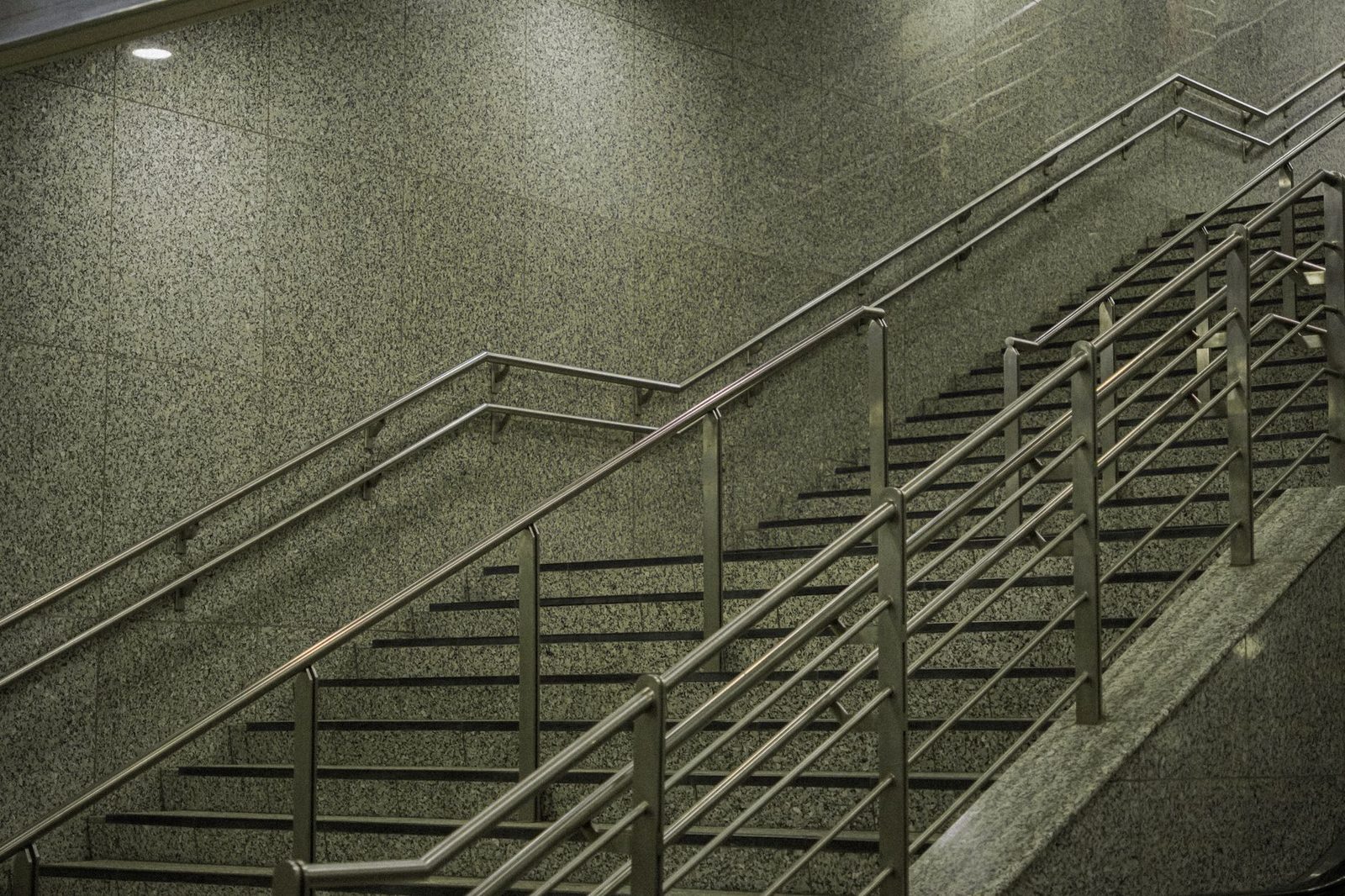
- Broken, poorly lit, or unsafe stairs and handrails
- Icy, cracked, or broken walkways and parking lots
- Falling merchandise or loose fixtures
- Defective building conditions
OSHA’s walking-working surfaces guidance addresses slip, trip, and fall hazards.
Our practice represents people seriously hurt in slip and fall, trip and fall, and other unsafe-property incidents. That includes fractures, hospital stays, traumatic brain injuries, spinal cord injuries, and catastrophic injuries. We also represent families in wrongful death cases, across metro Atlanta and statewide in Georgia. For a broader overview, read our premises liability overview.
If a fall or unsafe condition on someone else's property left you hurt, you may have a claim, and our team can review it with you for free. Talk it through with our team — the first consultation is free, confidential, and carries no obligation.
What You Generally Need to Prove Under Georgia Law
To pursue a premises liability claim, you generally need to show that the owner’s lack of ordinary care caused your injury. Injury claims often involve several questions about what happened and who is responsible.
- You were on the property for a lawful purpose, such as shopping or visiting a tenant.
- The property owner or occupier was responsible for the condition of the property where the hazard existed.
- The owner or occupier failed to use ordinary care to fix or guard against that hazard.
- That failure caused your injury.
- The injury led to real damages, such as medical bills or lost income.
Showing that the owner or occupier knew, or should have known, about the hazard is a common focus in these cases. Picture a spill on a grocery aisle that sat for an hour with no cleanup. How long a hazard was there is a fact that often matters.
Documentation ties these points together. Photos of the hazard, the incident report, witness names, and medical records that link the fall to the injury all help. Each case turns on its own facts, and we review those facts during the free consultation.
Deadlines and Evidence: Why Timing Matters
The general deadline for an injury claim in Georgia is two years after the right of action accrues. O.C.G.A. § 9-3-33 sets that rule for actions for injuries to the person. Some claims follow different timing, so the date should be checked early.
Evidence disappears quickly. Surveillance video is often overwritten. Spills get cleaned up. Stairs get repaired. Witnesses move or forget details. Injured people can protect their claim by:
- Photographing the hazard and the surrounding area as soon as it is safe
- Writing down the names of employees and witnesses
- Keeping the shoes and clothing worn during the fall
- Requesting a copy of any incident report
- Keeping every medical bill, visit note, and receipt
Medical care matters for your health and for your record. Follow your treating doctor’s advice and keep your appointments. Gaps in treatment make an injury harder to document.
How the Process Works, Step by Step
The process starts with a free, confidential first consultation. It then moves through investigation, documentation, and either negotiation or a lawsuit.
- First contact. Our intake team, in English or Spanish, schedules your free case review.
- Free consultation. We talk through how the fall or hazard happened, your injuries and treatment, and who owns or runs the property. Our first consultation is free, confidential, and comes without obligation to continue.
- Signing and investigation. If you decide to move forward and sign, our team requests incident reports, video, and medical records. The firm may send letters asking the property owner to preserve evidence.
- Documentation. We gather bills, treatment plans, and records of lost work time, so your damages are supported by proof.
- Negotiation or filing. We present the claim to the insurer. If needed, we file suit in the appropriate Georgia court and keep you informed at each stage.
Timelines vary with injury severity, insurer response, and court schedules. We cannot predict how long any step will take.
What Damages Can Be Recovered
Georgia law separates general damages from special damages. General damages are presumed to flow from a wrongful act and can be recovered without proof of an amount. Special damages actually flow from the act and must be proved. O.C.G.A. § 51-12-2 draws that line.
Medical expenses have a limit. Georgia law defines special damages as those that actually flow from a tortious act and must be proved, and under O.C.G.A. § 51-12-1.1 medical and healthcare expenses are limited to the reasonable value of medically necessary care, treatment, or services. The fact-finder decides that value. O.C.G.A. § 51-12-1.1 sets out that rule.
Bills and wage records form the foundation of the economic losses. Pain, limits on daily life, and other harms are shown through medical notes and personal records. Insurers may dispute the value of a claim, which is one reason early documentation helps.
Under O.C.G.A. § 51-4-2, in a wrongful death case the surviving spouse may recover the full value of the decedent’s life, as shown by the evidence. If there is no surviving spouse, a child or children may recover the full value of the decedent’s life under O.C.G.A. § 51-4-2; O.C.G.A. § 51-12-1.1 does not set that rule and instead limits special damages for medical and healthcare expenses to the reasonable value of medically necessary care, treatment, or services. O.C.G.A. § 51-4-2 governs that recovery.
Why Ugwonali Law Group, and What the Free Consultation Includes
Ugwonali Law Group represents people hurt in unsafe-property incidents, truck and car crashes, and wrongful death cases across metro Atlanta and statewide in Georgia. Readers across Georgia can reach us the same way.
Adanna Ugwonali is the responsible lawyer for this page. Our lawyers work with a support staff. Our intake team takes calls in English and Spanish.
Key facts about the firm:
- Our office is at 3400 Peachtree Road NE, Atlanta, Georgia.
- Intake is available in English or Spanish.
- Our first consultation is free and confidential.
- We explain each rule in plain language and link to the official Georgia Code text.
Not sure what your next step is?
Talk it through with our team — the first consultation is free, confidential, and carries no obligation.

Frequently Asked Questions
Here are short answers to common questions about premises liability claims in Georgia.
How long do I have to file a premises liability claim in Georgia?
The general rule is two years for injuries to the person. Some claims follow different timing, so check the date early. O.C.G.A. § 9-3-33 states the general rule.
Can I get help in Spanish?
Yes. Our intake team takes calls in English or Spanish.
Does a rental property change who is responsible?
It can. A landlord that has fully parted with possession generally is not responsible for a tenant’s negligence. It remains responsible for defective construction and for failing to keep the premises in repair. O.C.G.A. § 44-7-14 covers this rule.
Does each premises claim depend on its own facts?
Yes. Each claim turns on its own facts and proof, and we review them during the free consultation.
If a fall or unsafe condition on someone else’s property left you hurt, you may have a claim worth reviewing. Our team can go over how it happened, your treatment, and your options in a free case review. Request a free case evaluation through our contact page to reach our intake team.
Why People Contact Our Firm
Free Case Review
Your first consultation is free, confidential, and carries no obligation to continue.
English or Spanish
Our intake team takes calls in English or Spanish, so you can explain what happened in the language you prefer.
Focused on Serious Injuries
We focus on people with real injuries that involve medical treatment, hospital care, fractures, and head or spinal trauma.
Based in Atlanta
Our office is at 3400 Peachtree Road NE, Atlanta, and we represent clients across metro Atlanta and throughout Georgia.
Get Medical Care First
Even when an injury seems minor at first, some conditions, including head and back injuries, can develop over several days. Getting evaluated by a medical doctor protects your health and creates a record of your injuries.
Steps That Can Help After a Fall or Unsafe Condition
Seek Medical Treatment
Visit a doctor or emergency room as soon as you can, and follow through with recommended care and follow-up appointments.
Document the Scene
If you are able, take photos of the area, the hazard, lighting, and any warning signs or their absence. Note the date, time, and names of any witnesses.
Report the Incident
Ask the property owner or manager to file an incident report, and keep a copy or note of the report number.
Keep Your Records
Save medical bills, pharmacy receipts, work absence notes, and a simple journal of how your injury affects your daily life.