

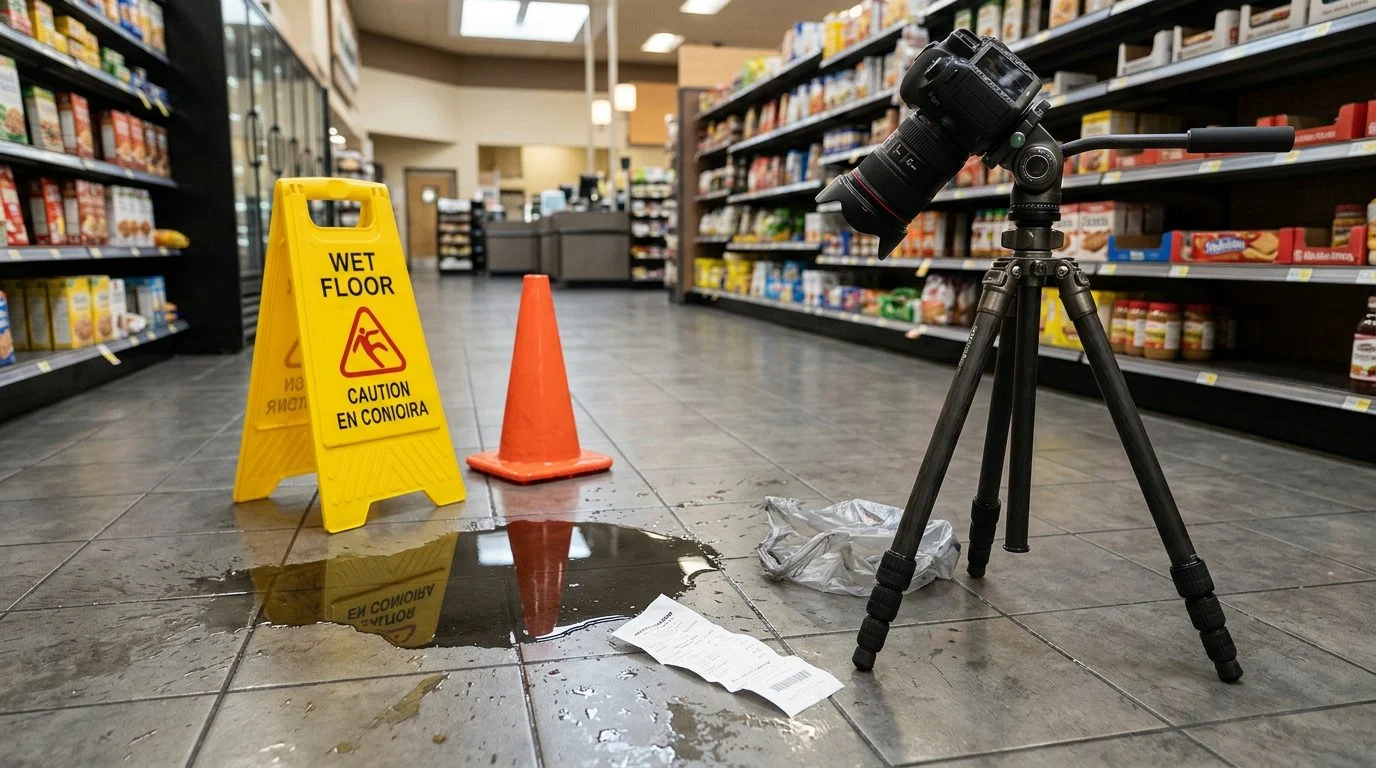
Premises Liability · Atlanta, Georgia
Hurt on Someone Else's Property? Talk With Our Atlanta Injury Team
A fall or an unsafe condition can change your health, your work, and your family's daily life. Ugwonali Law Group helps people across metro Atlanta and Georgia understand their options from the very first call.
By Adanna Ugwonali · Published November 22, 2026
A slip on a wet store floor or a broken stair can cause a serious injury in seconds. Georgia law can hold a property owner responsible when that owner fails to keep its property reasonably safe for visitors.
This page explains how premises liability works for people in Clayton County, metro Atlanta, and across Georgia. It covers the hazards and injuries these claims involve, who may be responsible, how fault and deadlines work, and what happens after a free first call.
What Premises Liability Means and Who This Page Is For
Premises liability is a claim for injuries caused by an unsafe condition on property that someone else owns or controls. Under O.C.G.A. § 51-3-1, an owner or occupier who invites people onto its property must use ordinary care to keep the premises and approaches safe.
This page focuses on serious harm. That means injuries that involve real medical treatment from a medical doctor, such as:
- Broken bones, including hip, wrist, and ankle fractures
- Hospital care or admission
- Traumatic brain injuries
- Spinal cord injuries
- Catastrophic injuries that need long-term care
- Death, in a wrongful death case
Many serious premises claims involve a business or property owner backed by commercial or corporate liability insurance. That policy becomes part of the review from the start. Knowing which insurer is involved helps shape how the claim moves forward.
If a fall on a wet store floor or a broken stair left you with a fracture or head injury, you may have a claim, and our team can review the facts with you for free. Talk it through with our team — the first consultation is free, confidential, and carries no obligation.

Hazards and Serious Injuries We Review
Most premises claims start with a hazard the owner should have fixed, guarded, or warned about. Common examples include:
- Wet or unmarked floors in stores, restaurants, and offices
- Torn, uneven, or cracked flooring and walkways
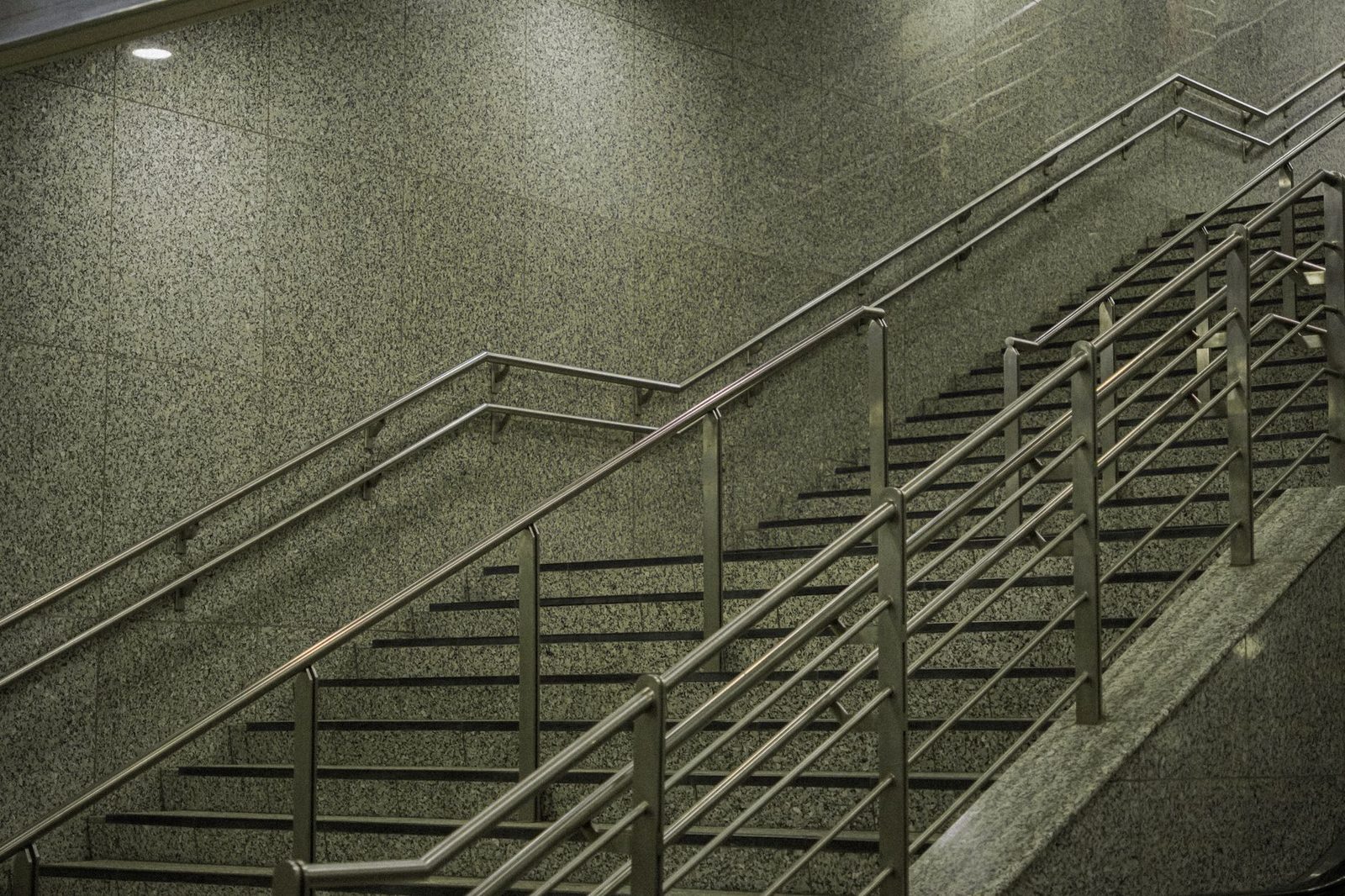
- Broken stairs and loose or missing handrails
- Poor lighting in stairwells and parking areas
- Unsafe parking lot surfaces
- Falling merchandise or unstable shelving
These hazards can lead to the fractures, brain injuries, and spinal injuries described above. When a fatal injury happens on another party’s property, the surviving spouse or, if there is no surviving spouse, the child or children of the decedent may have a claim under Georgia’s wrongful death law.
Evidence often decides how a hazard is proven. Useful records include incident reports, photographs of the hazard, maintenance and inspection logs, video, and the names of witnesses.
Who Can Be Responsible When Someone Is Hurt on Property
Responsibility can reach the owner or whoever controls the space, and sometimes a contractor whose work created the hazard. The facts of each incident decide who is responsible.
Landlords and tenants. Under O.C.G.A. § 44-7-14, a landlord that has fully parted with possession and the right of possession is not responsible to third persons for damages resulting from the negligence or illegal use of the premises by the tenant. The same statute says the landlord remains responsible for defective construction and for failing to keep the premises in repair. That repair duty often matters for broken stairs or railings in an apartment.
Contractors. Under O.C.G.A. § 51-2-5, an employer can be liable for a contractor’s negligence in listed situations. One example is when the employer keeps the right to direct or control the time and manner of the work. This question can come up with repair jobs or construction at a business site.
The owner’s own care. Questions about what a property owner knew, what it should have found, and how long a hazard was there are often answered through records and witnesses. Reviewing them early helps show what happened while it is still fresh.
How Georgia Law Treats Fault and Deadlines
Georgia reduces your damages by your share of fault, and you recover nothing if you are 50 percent or more responsible. Under O.C.G.A. § 51-12-33, damages are reduced in proportion to the plaintiff’s fault, and a plaintiff who is 50 percent or more responsible recovers no damages.
The same statute says the fault of everyone who contributed to the injury is considered. Each liable person’s share is that person’s own liability, not a joint one. This means a jury can assign fault to more than one party.
Timing is the other key rule. Under O.C.G.A. § 9-3-33, actions for injuries to the person generally must be brought within two years after the right of action accrues. Other rules can apply, so the facts of your case decide the timing. Early steps also matter because video, logs, and witness memories fade over time.
How a Premises Liability Matter Works, Step by Step
A premises matter usually starts with a free first call. It then moves through evidence, medical records, investigation, and a claim to the insurer. A lawsuit is filed only if a fair resolution is not reached. Timelines vary with the injuries, the treatment, and the parties involved.
- Free first call. You describe the incident, your injuries, and your treatment to the intake team, in English or Spanish. The consultation is free, confidential, and carries no obligation to continue. La consulta inicial es gratuita, confidencial y sin compromiso de continuar.
- Evidence requests. The firm can ask the property owner and insurer to keep video, incident reports, and maintenance records.
- Medical records. Records and bills from treating providers document the injuries and their link to the incident. Under O.C.G.A. § 51-12-1.1, medical expense damages are limited to the reasonable value of medically necessary care, so complete, itemized records matter.
- Investigation. The scene, the hazard, the parties, and the insurance policy are reviewed.
- Claim and negotiation. The claim goes to the responsible insurer. Negotiation follows where appropriate. If a fair resolution is not reached, a lawsuit may be filed.
Updates come as the matter moves forward, so you know where things stand.
Why Work With Ugwonali Law Group on a Premises Matter
Ugwonali Law Group represents people seriously hurt in truck and car crashes, unsafe-property injuries, slip and falls, trip and falls, traumatic brain and spinal injuries, and wrongful death. The firm’s focus is on serious injuries with real medical treatment.
Adanna Ugwonali is the responsible lawyer for this page. The firm’s lawyers and support staff work from the office at 3400 Peachtree Road NE, Atlanta. The firm serves clients in Atlanta, Fulton, Clayton, Cobb, and Rockdale counties, in Marietta, Jonesboro, and Conyers, and across Georgia.
Intake staff sign clients on the first call. Clients can speak with the team in English or Spanish.
Responsible lawyer: Adanna Ugwonali, Ugwonali Law Group, 3400 Peachtree Road NE, Atlanta, Georgia. This page gives general information about Georgia law and is not a promise of any result.
Not sure what your next step is?
Talk it through with our team — the first consultation is free, confidential, and carries no obligation.
Common Questions About Premises Liability Claims
Most readers ask about police reports, partial fault, timing, and family claims. The short answers are below.
Do I need a police report?
Not always. Many property incidents are recorded in the owner’s incident report, and the firm can help request and preserve that record.
What if I was partly at fault?
Georgia reduces damages by your share of fault. You recover nothing at 50 percent or more (O.C.G.A. § 51-12-33; Quynn v. Hulsey (2020)).
Early steps protect video and records.
Under O.C.G.A. § 51-4-2, the surviving spouse or, if there is no surviving spouse, a child or children may recover the full value of the life of the decedent, as shown by the evidence.
Talk With Ugwonali Law Group About Your Injury
If a fall on someone else’s property left you with a serious injury, the next step is a conversation about your facts. If a fall on a wet store floor or a broken stair left you with a fracture or head injury, you may have a claim, and our team can review the facts with you for free. You can request a free case evaluation or chat with our intake team in English or Spanish.
How We Approach Premises Cases
Focus on Serious Injuries
We concentrate on falls and unsafe-property incidents that involve real medical treatment, including fractures, hospital care, and brain or spinal injuries.
Plain-Language Guidance
We explain the legal and medical steps in terms you can follow, so you know what to expect at each stage.
English or Spanish
Our intake staff can sign you on the first call in English or Spanish.
Care for the Whole Picture
We keep your recovery, your medical records, and your family's needs at the center of the case.
Protect Your Health and Your Evidence
Get medical attention as soon as you can, even if your injury seems minor at first. Keep your discharge papers, bills, and photos, and ask the property owner for a copy of any incident report.
What Can Help Your Case
Record the Scene
Photos of the hazard, lighting, flooring, and surroundings can preserve details that may change before repairs are made.
Keep Your Medical Records
Treatment notes, imaging, prescriptions, and follow-up visits show how the injury affected your life.
Track Your Losses
Save receipts, missed work records, and a simple journal of pain and daily limits to describe your losses clearly.
Think Before You Speak to Insurers
Adjusters for the property owner work for the insurer. Talk with our team before giving a recorded statement or signing anything.